
 EN
EN
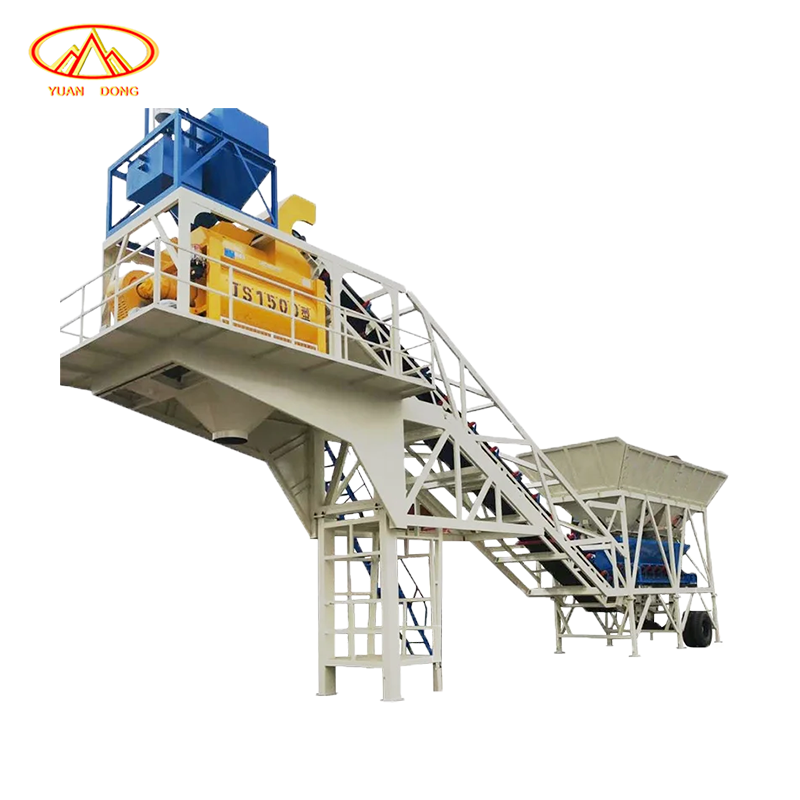
Concrete Batching Plant Definition, Core Purpose, and Industry Role
Concrete batching plants, sometimes called mixing plants, are facilities where cement gets mixed with sand, gravel, water, and various chemical additives to create ready-mix concrete in exact proportions. These plants exist mainly to streamline production so each batch comes out consistent, meets building code requirements for strength, and cuts down on wasted materials when working on big construction projects.
Compared to older methods like hand mixing or basic volumetric approaches, today's batching equipment can hit volume targets within about half a percent accuracy. This precision happens because of built-in weighing systems, computer controls, and monitoring tech that keeps everything running according to industry standards like ASTM C94 and ISO 20670 specifications.
How a Concrete Batching Plant Works: Step-by-Step Operational Workflow
Stage 1–3: Raw Material Storage, Conveying, and Precision Weighing
The production process starts with proper material storage. Aggregates such as sand, gravel, and crushed stone go into covered bins, whereas cement, fly ash, and slag need to be kept in sealed silos that protect against moisture.
Once stored, these materials get moved along through belt conveyors or sometimes skip hoists right into those calibrated weighing hoppers. The computer controlled load cells ensure accuracy down to about half a percent of what's needed for each ingredient. Water and other liquid additives come in through precision flow meters that give just the right amount every time.
Getting this stage right is absolutely critical because it stops companies from wasting expensive binding agents and keeps everything aligned with what the project specs demand. Meeting those standards matters a lot when talking about things like ACI 211 requirements for concrete durability.
Stage 4–5: Controlled Mixing and Quality-Verified Discharge
Materials that have been accurately measured go into what's called a twin-shaft mixer. Inside this machine, blades spin in opposite directions creating lots of turbulence which mixes everything thoroughly within about a minute to a minute and a half. The whole process is watched closely by built-in sensors that keep track of things like how thick the mixture gets, what temperature it reaches, and how hard the blades are working.
If something goes off track from normal parameters, the system automatically adjusts either how much water gets added or how long it keeps mixing. After passing inspection checks, the ready mixed concrete moves right out to waiting trucks or gets pumped directly to construction sites. Quality control teams run tests according to standard procedures such as measuring slump using ASTM C143 method and taking samples for compression strength testing following ASTM C39 guidelines.
Many modern facilities now implement systems that recycle wash water and leftover slurry instead of just throwing them away, cutting down on waste and environmental footprint by roughly 15 percent according to recent industry reports.
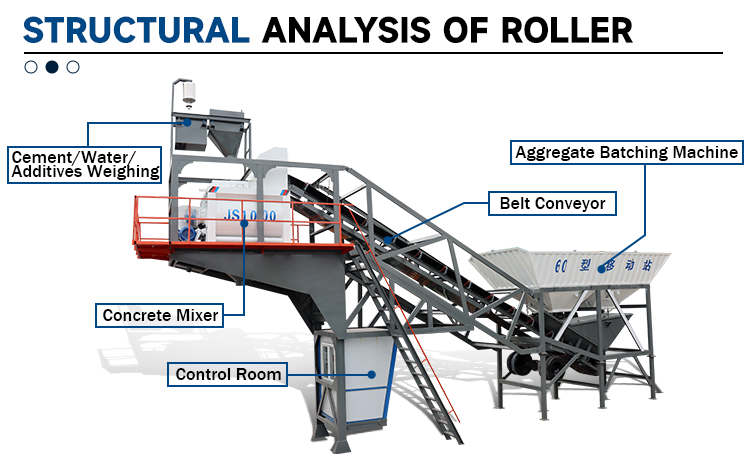
Key Components of a Concrete Batching Plant and Their Functional Integration
Aggregate Bins, Weigh Scales, and Twin-Shaft Mixer: The Precision Trio
Aggregate bins control material release and reduce dust. Weigh scales offer ±0.5% tolerance against mix designs. This eliminates guesswork and ensures compliance with ASTM C94 and EN 206. Ingredients enter the twin-shaft mixer next. Overlapping blades create high shear forces. They blend cement and fine aggregates in under 90 seconds. Thermal sensors in the mixer monitor ambient and mix temperatures. They adjust water dynamically to avoid premature hydration. This setup ensures consistent workability and better strength. It reduces waste by 15-20% vs. older methods.
PLC Control System: Real-Time Coordination of Batching Sequences
The PLC (Programmable Logic Controller) serves as the central nervous system, orchestrating every phase—from silo discharge to final discharge—with millisecond-level timing. It synchronizes operations by:
· Triggering pneumatic valves and conveyor starts/stops based on real-time weight sensor data
· Adjusting water-cement ratios dynamically using in-line moisture sensors on aggregates
· Logging timestamped batch records—including weights, mixing duration, temperature, and operator ID—for traceability and ASTM C94 compliance
This automation achieves >99% batching accuracy, cuts cycle times by up to 22%, and halts production instantly upon detecting anomalies—preventing spoilage of entire batches. Unlike legacy relay-based systems, modern PLCs integrate seamlessly with cloud-based QA platforms, enabling remote monitoring and predictive maintenance.
Conclusion
A concrete batching plant is indispensable for modern construction. Its precise, automated process ensures consistent, high-quality concrete. Understanding its workflow, components, and types helps select the right concrete batching plant for any project. It ultimately boosts efficiency, reduces waste, and ensures compliance with industry standards.