
 EN
EN
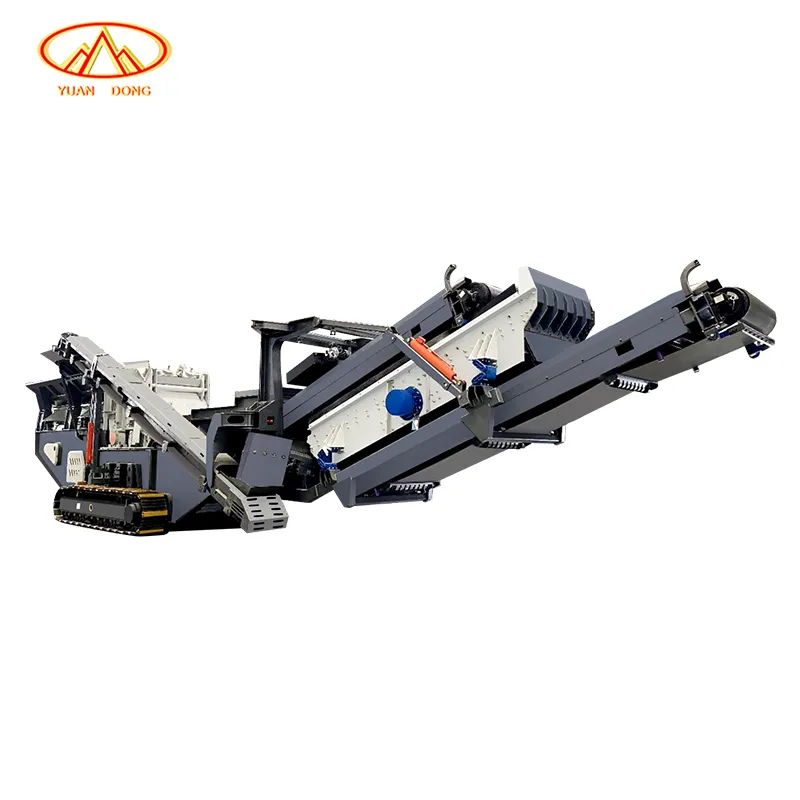
Selecting the right mobile jaw crusher capacity is critical for project efficiency. It directly impacts throughput, costs, and overall productivity. This guide explores key factors that determine mobile jaw crusher capacity. It also helps bridge the gap between lab specs and real-world performance for informed selection.
Key Factors That Determine Real-World Mobile Jaw Crusher Capacity
Feed Size, Material Hardness, and Moisture Content
Three core factors shape real-world processing capacity. They are feed particle size, material hardness, and moisture content. Oversized feed particles wear jaws faster. They also clog the chamber, cutting production by 15-30% per hour. Tough rocks like granite need 40% more power to crush. This reduces tons processed per hour vs. softer limestone (120-150 MPa). Materials with over 8% moisture stick together. They cause frequent jams and longer cleaning breaks. Site material test results are vital for capacity planning. They outperform sole reliance on manufacturer spec sheets.
Why Rated TPH ≠ Actual Throughput: The Gap Between Lab Specs and Field Performance
Manufacturer TPH ratings come from ideal lab conditions. These include dry, uniform material and continuous operation. Real-world sites face constant variables. These include changing gradations, moisture fluctuations, and stop-start loading. Field measurements show most machines hit 75% of stated capacity. Issues like uneven chamber distribution cause this gap. Dust and temperature changes affect hydraulic systems. Inconsistent closed-side setting (CSS) adjustments also reduce output. Industry experts recommend a 20-30% capacity safety margin. This buffer keeps projects on track amid site surprises.
How Chassis Design Affects Mobile Jaw Crusher Capacity and Reliability
Tracked vs. Crawler Configurations: Stability, Feed Consistency, and Duty Cycle Alignment
The mobility platform fundamentally shapes both throughput stability and long-term reliability. Tracked units offer superior maneuverability on rough or confined terrain -- ideal for urban demolition recycling, while crawler systems deliver better load distribution on low-bearing soils like sand or clay pits. Mismatched selection carries measurable penalties:
· Poor stability during high-volume crushing amplifies vibration, accelerating bearing wear and cutting throughput by up to 15%
· Chassis sway disrupts consistent feed flow, causing uneven jaw plate wear and CSS drift that compromises product gradation
· Duty cycle misalignment shortens service life: crawlers support continuous quarry operations, whereas tracked designs suit intermittent, lower-duty applications
Hydraulic Track Tensioning and Its Role in Minimizing Vibration-Induced Output Loss
Hydraulic track tensioning is more than basic maintenance. It safeguards smooth operation and consistent output. It adjusts for thermal expansion and contraction. This prevents jerking, feeder damage, and material spillage. The system handles large feed particles (up to 800 mm). Journal of Mineral Engineering (2025) research shows 40% less frame vibration. This tightens CSS control to ±2 mm (vs. ±6 mm manual). It reduces unexpected shutdowns by 12% and belt issues by 18%.
Neglecting tensioning causes cascading failures. Slack tracks risk derailment; over-tensioning wears sprockets. Either scenario drops production below 60% of rated capacity.
Sizing Your Mobile Jaw Crusher for Optimal Throughput and Efficiency
Hopper Volume, Feed Rate Matching, and Closed-Side Setting (CSS) Optimization
Peak throughput requires aligning three elements. These are hopper volume, feed rate, and CSS settings. Hoppers need 20-25% extra space vs. crusher intake. Too-small hoppers cause bridging and 50% production time loss. Finding the right feed rate is critical. Over-feeding causes backups; under-feeding wastes fuel and reduces output. Industry data links proper feed matching to 35% higher annual efficiency.
CSS settings are equally important. Tighter gaps improve product size control but reduce throughput. Wider gaps boost volume but increase size variation. A 10 mm CSS change affects tracked crusher capacity by 15-20%. Regular adjustments are needed for varying materials.
The Hidden Cost of Over-Specifying Mobile Jaw Crusher Capacity
When Higher TPH Ratings Reduce Project Efficiency: Downtime, Fuel, and Maintenance Trade-offs
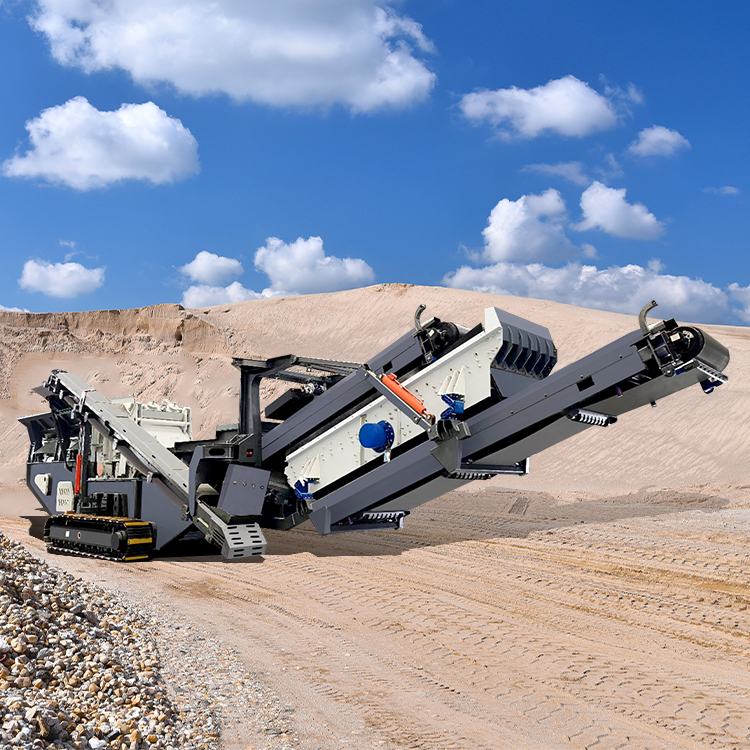
Picking a mobile jaw crusher that has way too much rated TPH can actually hurt productivity instead of helping it. When these oversized machines run at partial load, which happens all the time when feed rates vary, they burn anywhere from 15 to 30 percent extra fuel.
Plus, the jaws, bearings and hydraulic systems get stressed out unnecessarily. Looking at what aggregate producers have found in their operations, there seems to be about 40% more unexpected maintenance issues when equipment is mismatched for the job. These problems then lead to all sorts of other inefficiencies down the line, including downtime and higher repair costs.
· Longer repair downtimes and accelerated part replacement cycles
· Higher idle fuel burn during inter-site transport due to heavier chassis weight
· Lower utilization rates as equipment sits idle between infrequent large loads
Example: A 400 TPH tracked crusher handling 250 TPH burns 22% more fuel. This outpaces a properly sized 300 TPH unit. Reserve capacity benefits fade when accounting for long-term costs. These include fuel, maintenance, and downtime. Matching machine size to actual operational needs is key. It extends service life and cuts lifecycle costs.
Conclusion
Informed mobile jaw crusher capacity selection requires balancing key factors. These include material properties, chassis design, and operational needs. Avoid over-specification and account for real-world variables. This ensures the mobile jaw crusher delivers optimal throughput, efficiency, and cost savings long-term.