
 EN
EN
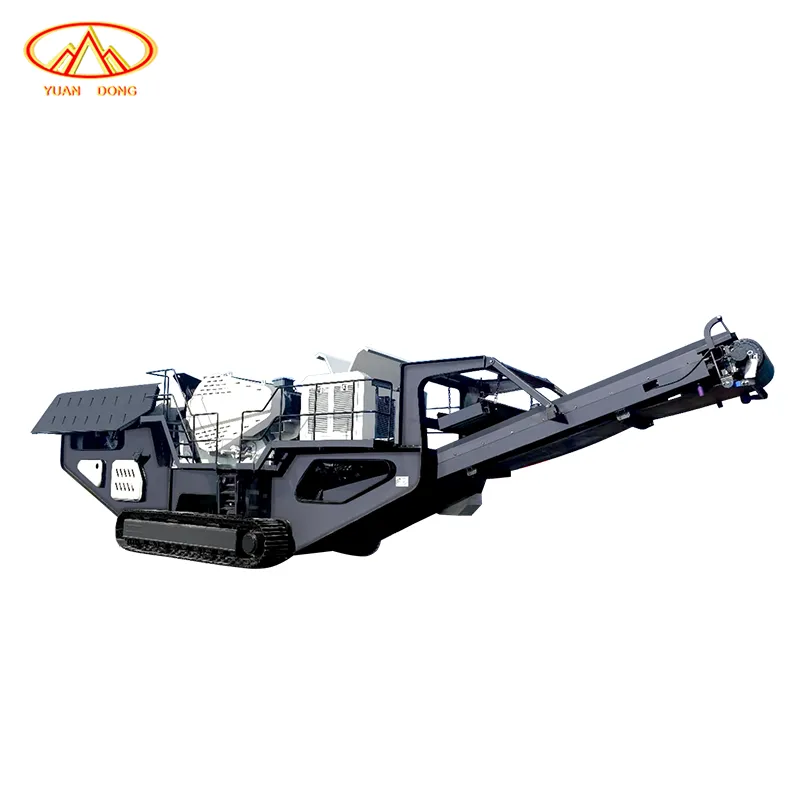
Essential Safety Features Built into Modern Mobile Jaw Crushers
Modern mobile jaw crushers incorporate multiple safety layers to protect operators and equipment—integrating engineering rigor with real-world operational demands.
Emergency Stop Systems and Hydraulic Override Protection
Emergency stop systems enable quick machine shutdown. Red buttons around the plant floor let operators act in seconds. Hydraulic overload protection works with these stops. It activates automatically at 350-500 psi pressure levels.
These two features prevent major breakdowns, like cracked jaw frames. Maintenance reports note 27% lower repair costs with them. Additionally, the system handles unexpected issues like material jams. It protects parts from premature wear without constant monitoring.
Integrated Dust Suppression and Noise-Dampening Enclosures
Spray nozzles at feed points reduce silica dust. They keep levels below OSHA’s 50 μg/m³ limit for worker safety. Water systems use 15-30 gallons per minute. NIOSH studies confirm 90% dust reduction vs. unregulated setups.
Composite-lined enclosures cut machine noise significantly. They lower sound from 110 dB to 82 dB, meeting MSHA standards. Vibration-absorbing mounts add comfort. They ease operator fatigue during long shifts.
Rollover Protection Structures (ROPS) and Falling Object Protection (FOPS)
ROPS and FOPS undergo strict durability tests. They withstand 2.5x the machine’s weight during rollovers. They also resist 10,000-pound objects falling 15 feet. Reinforced cages create a 16-inch safety buffer around operators. Visibility remains unobstructed for safe maneuvering. Adjustable seat belts enhance protection further.
Impact-absorbing areas add another safety layer. MSHA data shows 2/3 fewer crushing fatalities with these features. The structure stays strong during transport. This ensures consistent safety across job sites.
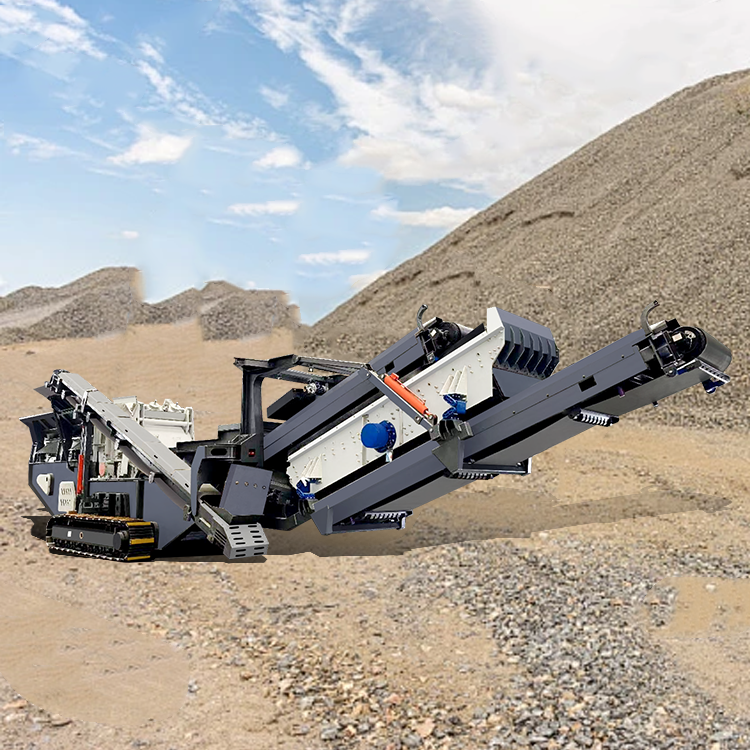
Proven Operational Best Practices for Mobile Jaw Crusher Deployment
Pre-Operation Site Assessment and Ground Stability Protocols
Conduct site evaluations before deploying equipment. Check soil density, slope steepness, and take core samples. These steps reveal hidden hazards: underground voids, water tables, or unstable soil. Slopes over 15 degrees need extra support. Mark 10-meter safety zones from drop edges. Always maintain distance from overhead power lines.
Deploy stabilizing legs on rough terrain. Use ground pressure mats on wet or soggy soil. Crushing Safety Institute (2024) data supports these steps. They cut tipping accidents by 2/3. Document findings in geotechnical reports. Adjust mobile jaw crusher placement based on inspections.
Lockout/Tagout (LOTO) Procedures During Maintenance and Feed Blockages
Use standardized LOTO procedures for maintenance or jam clearing. First, isolate all energy sources. Turn off electrical power at the main switch. Release hydraulic pressure via bleed valves. Secure mechanical parts like flywheels. Attach locks and warning tags to each isolation point.
Have a second person double-check the setup. Follow a specific sequence for clearing feed jams. Stop the conveyor belt first, then engage LOTO controls. Use non-sparking tools to remove debris. Inspect jaw plates after clearing jams. OSHA (2023) data shows 78% fewer amputations at compliant sites.
Never bypass safety interlocks, even for quick fixes. This avoids serious safety risks.
Operator Competency and Human-Centered Safety for Mobile Jaw Crusher
OSHA-Compliant Certification and Simulator-Based Training Validation
OSHA requires formal certification for mobile jaw crusher operators. It demands hazard recognition and emergency response skills. Bureau of Labor Statistics (2023) data supports certification. Certified operators have 67% fewer safety incidents. Simulator training bridges classroom and on-site experience. It creates realistic, risk-free scenarios.
Scenarios include stuck toggle plates and belt slippage. They mimic dangers without equipment damage. Top simulators track emergency response times (target: <2.3s). They measure decision accuracy (over 92% correct).
Data is stored in detailed records for improvement. Regular practice builds safety procedure muscle memory. This approach combines documentation and hands-on prep. It readies operators for daily on-site unpredictability.
Conclusion
Modern mobile jaw crushers integrate robust safety features to protect operators and equipment. Pairing these with strict best practices minimizes on-site risks. From pre-operation assessments to operator certification, every safety step matters. A well-implemented safety strategy ensures the mobile jaw crusher operates safely and efficiently long-term.