
 EN
EN
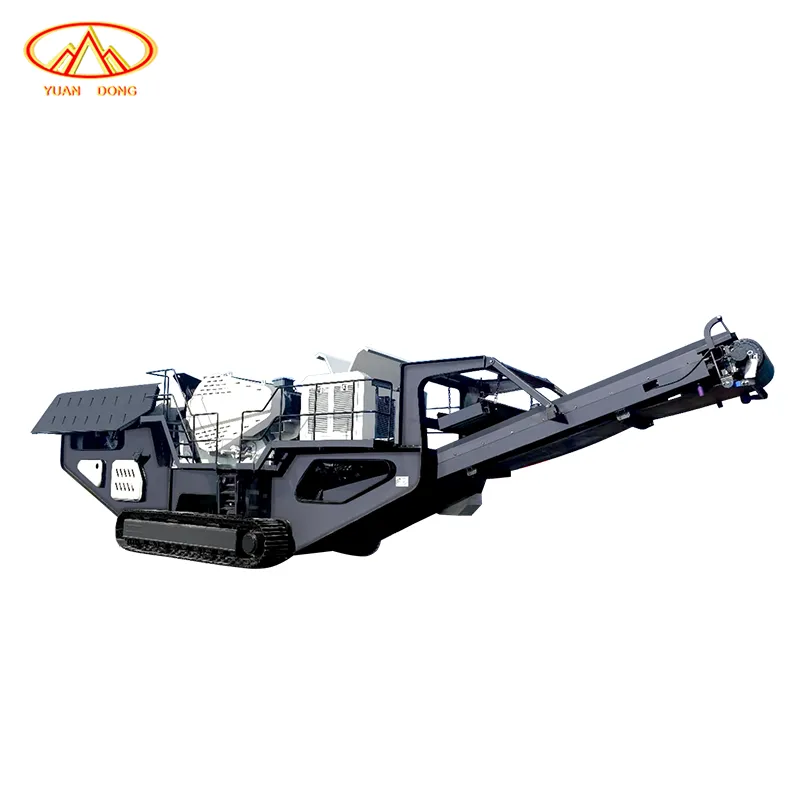
A mobile jaw crusher’s transportation and mobility capabilities are key to project efficiency. They enable rapid deployment and flexible on-site operation. This guide explores the core mobility advantages of mobile jaw crushers. It covers system options, rapid setup, on-site processing benefits, and terrain adaptability.
Transportation Efficiency: Rapid Deployment Across Job Sites
Crawler vs. Wheeled vs. Walking Pad Mobility Systems for Mobile Jaw Crusher Units
Choosing the right mobility system makes all the difference when it comes to how fast equipment can be deployed and how well it performs in different kinds of terrain. Crawler systems are basically unbeatable when dealing with steep slopes and soft ground that tends to shift around, which is why they're so popular at rough quarry sites and up in those hard to reach mountain locations.
For moving between job sites, wheeled setups work great because they can actually drive on highways without needing special flatbed trucks, saving tons of time getting from one place to another. Then there are walking pad systems that let operators make small adjustments on flat ground where precision matters most, especially useful when positioning crushers in tight spaces or areas where environmental concerns are a priority.
| Mobility System | Terrain Adaptability | Setup Speed | Best Use Cases |
|---|---|---|---|
| Crawler | Uneven/soft surfaces | Moderate | Mountain quarries, forested or roadless sites |
| Wheeled | Paved/compact roads | Fastest | Multi-site urban projects with frequent relocation |
| Walking Pad | Level stable ground | Slow | Confined spaces where minor adjustments improve feed efficiency |
Under-2-Hour Setup-to-Crushing Timeline: How Modular Design Accelerates Mobilization
The preassembled hydraulic, electrical, and control modules really speed things up when it comes to getting equipment running in the field. According to actual field reports from top manufacturers, about 97 out of 100 units are fully operational within just two hours after arriving on site. The integrated hydraulic jacking system means no need for cranes when positioning the equipment, which saves both time and money.
Plus, those plug and play conveyor connections cut down on the manual work needed for alignment by roughly two thirds. What makes all this possible is the standardized modular design. Crews can switch effortlessly between transport and production modes, slashing setup times by around 70 percent compared to older fixed plant setups that take forever to get going.
On-Site Processing: Eliminating Hauling with Mobile Jaw Crusher Integration
Putting mobile jaw crushers right at the source changes how we handle aggregate materials completely. Instead of moving rocks from one place to another for processing, we do the work where they come out of the ground. This cuts down on all those back and forth trips by trucks between mining areas and processing centers. Less driving means saving money on gas, fewer man hours spent waiting around, less stress on our machines, and projects get done faster too.
What we end up with is operations that run smoother, make less noise pollution, and react better when things change on site. These advantages matter a lot when working close to neighborhoods or protected natural areas where disturbances need to be minimized.
Fuel and Emission Reductions: 42% Less Diesel Use in Quarry Operations (2023 NZ Infrastructure Report)
The 2023 New Zealand Infrastructure Report shows that when materials are crushed right at the site, diesel usage drops around 42% for every ton processed. This happens mainly because there's no need for all those back and forth trips that trucks would normally make throughout the day. With fewer vehicles running around, there's naturally less dust in the air and quieter operations overall, which helps meet those tricky local regulations about clean air and acceptable noise levels.
Some newer track mounted crushers take this green approach even further. They come equipped with hybrid systems that kick into electric mode whenever the machine isn't actively moving or crushing stuff. So they still get the job done just fine while putting out far fewer emissions than traditional models.
Overcoming Terrain Challenges: Mobile Jaw Crusher Deployment in Remote and Mountainous Areas
Mobile jaw crushers mounted on crawlers can handle slopes as steep as 45 degrees and work just fine on all sorts of rough ground - think loose rocks, snow cover, anything where regular wheeled machines or fixed installations simply won't go. The way these machines are built allows them to be taken apart piece by piece so they can fly in via helicopter, which means no spending big bucks building temporary roads just to get equipment onsite.
We saw this firsthand at a copper mine operation in Chile back when they had to set up across those tough Andean ridges. The crawler mounted units there ended up saving around $310k because they didn't need to build new haul roads. Pretty impressive too considering they kept running at about 95% efficiency even during brutal winter storms and dealing with massive changes in elevation day after day.
Operational Flexibility: Real-Time Repositioning and Feed Zone Optimization
Tracked mobile jaw crushers reposition in minutes, not hours. This adapts to stockpile moves, excavation progress, and logistics shifts. Unlike fixed plants, they operate near material sources. This cuts loader trips and reduces downtime. Real-time feed zone optimization maintains steady production. Fuel consumption drops due to less idling. Tires last longer with reduced unnecessary movement. Projects phase easily without full setup rebuilds.
Conclusion
The transportation and mobility advantages of a mobile jaw crusher drive project success. They enable rapid deployment, on-site efficiency, and terrain adaptability. From fuel savings to flexible repositioning, these benefits boost productivity and cut costs. A mobile jaw crusher’s mobility makes it indispensable for diverse construction and quarry operations.