
 EN
EN
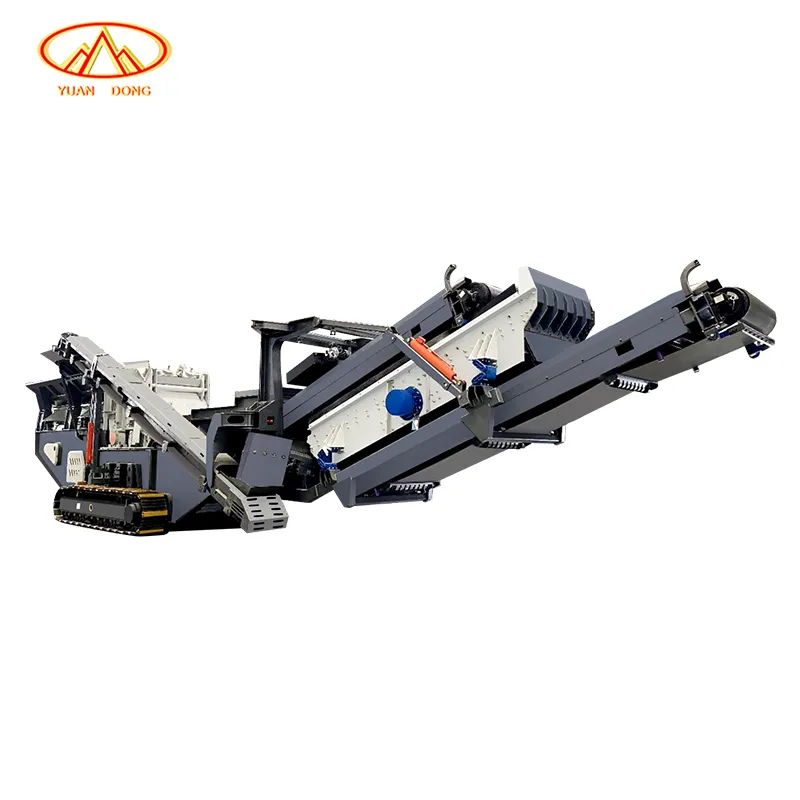
A mobile jaw crusher’s efficiency directly impacts project costs and productivity. Core design innovations drive significant performance gains today. This guide explores key technologies and strategies that boost mobile jaw crusher efficiency. It also highlights real-world results and emerging advancements.
Core Design Innovations That Boost Mobile Jaw Crusher Efficiency
Integrated Pre-Screening and Closed-Circuit Feedback Loops
Modern mobile jaw crushers feature built-in pre-screening systems. These remove fines before material enters the crushing chamber. This eliminates unnecessary work on small material. It reduces jaw plate wear by 15-20% and boosts throughput by up to 30%. Built-in sensors monitor output in real time. Oversized particles trigger automatic recirculation without manual intervention. The process maintains consistent sizing and saves power. Operators see 12-18% fuel savings per ton vs. older open-circuit systems.
Hydraulic Adjustment and Real-Time CSS Control for Consistent Product Gradation
Hydraulic wedge systems enable fast Closed Side Setting (CSS) adjustments. Operators can change CSS in under a minute, even during operation. Pressure sensors and smart algorithms ensure real-time control. They compensate for wear pad degradation to keep jaws aligned.
For granite processing, automatic compensation keeps CSS variations ±2mm over an 8-hour shift. Recycling facilities benefit from instant material switching. Operators can toggle between 40mm CSS (concrete) and 25mm CSS (asphalt) seamlessly. Parker’s 2023 report notes 22% less substandard aggregate. Better consistency reduces secondary processing needs. This cuts total site energy consumption by 14%.
Onboard Power Management and Adaptive Load Sensing Systems
Intelligent power management synchronizes engine RPM with hydraulic load demands using real-time pressure sensing. When processing soft sandstone, the system reduces engine speed to 1,500 RPM while preserving crushing force; with hard basalt, it proactively boosts torque reserves without over-powering. Adaptive load sensing delivers three key benefits:
· Idle-phase optimization, cutting fuel use by 27% during material transfer pauses
· Peak-load handling, preventing 92% of power stalling incidents
· Reduced cyclic stress, lowering bearing fatigue by 40%
Predictive algorithms adjust hydraulic flow up to 0.5 seconds before load spikes occur—ensuring uninterrupted throughput and extending component service intervals by 300—400 operating hours.
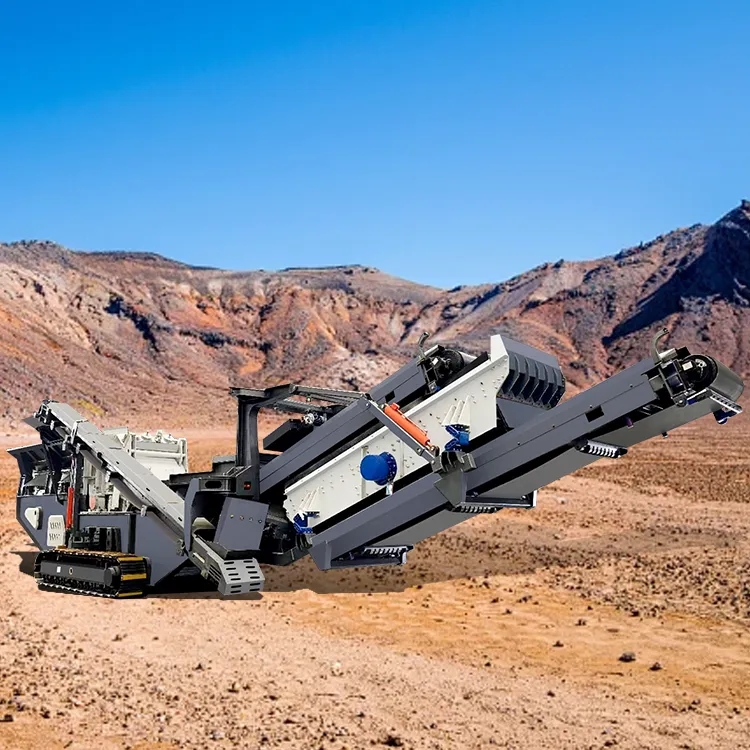
Optimized Feeding Strategies for Maximum Mobile Jaw Crusher Throughput
Choke Feeding vs. Trickle Feeding: Balancing Throughput, Wear, and Product Consistency
When the crushing chamber stays completely full through choke feeding, production goes up around 15 to 20 percent, but this comes at the cost of faster wear on those expensive jaw plates. On the flip side, trickle feeding gives operators about 30 to 40 percent longer life out of components and produces rock that's more consistently sized, even if it means slower overall output. The latest automation tech has cracked this dilemma though.
These smart systems watch load levels and vibrations in real time, switching back and forth between feeding methods depending on what kind of material is coming through the crusher. Think about when operations switch from processing soft sandstone to tough granite. This kind of smart adaptation keeps power consumption stable and maintains particle sizes within roughly plus or minus 5 percent, which matters a lot for downstream processes.
Feed Material Uniformity, Size Distribution, and Moisture Management
Material characteristics directly govern crusher efficiency. Pre-screening to remove fines exceeding 20% of the feed opening size prevents chamber clogging and lowers energy use by 12—18%. Uniform size distribution sustains steady flow, while moisture content above 8% risks adhesion and bridging. Best practices include:
· Using grizzly feeders to exclude oversized material
· Installing moisture sensors that trigger automatic feed rate adjustments
· Layering wet and dry materials in hoppers to stabilize flow
Effective moisture control helps maintain crushing efficiency at 90—95% of theoretical capacity during optimal operation.
Real-World Efficiency Gains: Field Performance of Modern Mobile Jaw Crushers
Case Study: 28% Throughput Increase and 19% Lower Energy per Ton in Queensland Limestone Quarry
A Queensland limestone quarry upgraded to a modern mobile jaw crusher. The new unit featured hydraulic CSS adjustment and pre-screening. The operation saw 28% higher throughput. Energy consumption per ton dropped by 19%. On-the-fly CSS adjustments maintained consistent grading. Fewer jams and less reprocessing improved overall efficiency. Smart power management reduced energy waste during feed fluctuations. The upgrade proved impactful for cost and resource savings.
Emerging Technologies Elevating Next-Generation Mobile Jaw Crusher Efficiency
AI-Powered Feed Modulation and Predictive Liner Wear Analytics
AI systems predict liner wear before failure. They automatically adjust feed rates to maintain optimal chamber operation. These platforms analyze material hardness, size, and moisture. They tweak feed amounts to avoid overloads while maximizing throughput. Built-in sensors enable early problem detection. This cuts unexpected shutdowns by 40% and extends liner life by 25-30%. Constant automatic adjustments preserve product quality amid material variations. This reduces energy use per ton processed.
Mobile jaw crusher efficiency gains stem from integrated design, smart feeding, and advanced technologies. These innovations drive throughput, cut energy use, and reduce wear. From real-world quarry success to emerging AI tools, the mobile jaw crusher continues to evolve. Investing in these advancements ensures long-term productivity and cost savings for crushing operations.