
 EN
EN
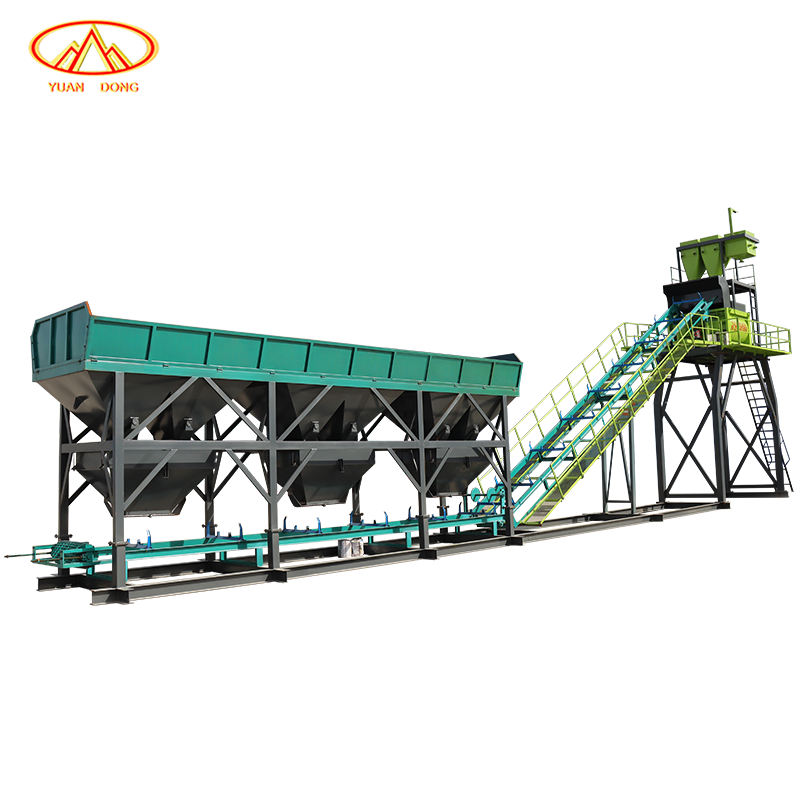
In modern construction, efficiency, consistency, and quality control are essential. Whether building highways, bridges, commercial buildings, or residential complexes, concrete must meet strict performance standards. This is where Concrete Batching Plants play a critical role.
Concrete Batching Plants are designed to mix cement, aggregates, water, and additives in precise proportions to produce high-quality concrete. Depending on project requirements, different types of plants are used. Each type offers unique advantages in terms of mobility, output capacity, automation, and installation flexibility.
In this guide, we explore the main types of Concrete Batching Plants and their practical applications across the construction industry.
What Are Concrete Batching Plants?
Concrete Batching Plants are industrial facilities used to produce ready-mix concrete. They ensure that raw materials are accurately measured and mixed according to predefined formulas.
A typical plant includes:
Aggregate storage bins
Cement silos
Weighing systems
Mixing unit
Control system
Conveyor belts or skip hoists
Modern Concrete Batching Plants integrate automation and digital monitoring to improve production accuracy and efficiency.
1. Stationary Concrete Batching Plants
Stationary Concrete Batching Plants are installed permanently at a specific location. They are commonly used in large-scale construction projects that require continuous concrete production.
Key Features:
High production capacity
Strong structural design
Fully automated control systems
Suitable for long-term projects
Applications:
Infrastructure construction
Bridges and highways
Large commercial projects
Precast concrete factories
Because of their durability and large output capacity, stationary Concrete Batching Plants are ideal for projects that demand consistent supply over extended periods.
2. Mobile Concrete Batching Plants
Mobile Concrete Batching Plants are designed for easy transportation and quick installation. They are mounted on trailers or movable frames, allowing relocation between job sites.
Key Features:
Compact structure
Fast setup and dismantling
Lower initial investment
Flexible operation
Applications:
Road construction projects
Temporary construction sites
Remote locations
Short-term infrastructure work
Mobile Concrete Batching Plants are particularly useful when project locations change frequently.
3. Compact Concrete Batching Plants
Compact Concrete Batching Plants combine features of both stationary and mobile systems. They are designed to save space while maintaining good production capacity.
Key Features:
Space-efficient design
Simplified installation
Moderate output
Reduced foundation requirements
Applications:
Urban construction sites
Small to medium projects
Limited space environments
Residential developments
For projects located in densely populated areas, compact Concrete Batching Plants offer practical solutions.
4. Dry Mix Concrete Batching Plants
Dry mix Concrete Batching Plants measure and discharge raw materials into a truck mixer without pre-mixing at the plant.
Key Features:
Faster material loading
Lower equipment cost
Simplified structure
Reduced maintenance
Applications:
Projects requiring flexible mixing
Ready-mix suppliers
Cost-sensitive operations
Since mixing occurs in the truck, dry mix Concrete Batching Plants are often used in regions with efficient transportation systems.
5. Wet Mix Concrete Batching Plants
Wet mix Concrete Batching Plants mix all materials at the plant before discharging ready-to-use concrete.
Key Features:
High mixing consistency
Improved concrete quality
Greater control over mixture
Suitable for complex formulations
Applications:
High-performance concrete production
Infrastructure projects
Large-scale commercial construction
Precast production
Wet mix Concrete Batching Plants are preferred when precise quality control is required.
6. Tower-Type Concrete Batching Plants
Tower-type Concrete Batching Plants are vertically structured systems designed to optimize material flow.
Key Features:
Gravity-based material movement
Compact footprint
High production efficiency
Reduced energy consumption
Applications:
Urban high-rise construction
Large infrastructure projects
Areas with limited horizontal space
The vertical structure enhances efficiency and reduces material handling complexity.
7. Containerized Concrete Batching Plants
Containerized Concrete Batching Plants are modular systems built inside shipping containers for easy transport and installation.
Key Features:
Modular design
Quick deployment
Weather-resistant structure
Convenient relocation
Applications:
International projects
Remote construction zones
Mining sites
Military infrastructure
These plants are designed for rapid setup and operational flexibility.
Factors to Consider When Choosing Concrete Batching Plants
Selecting the right type of Concrete Batching Plants depends on multiple factors:
Project Duration
Long-term projects favor stationary systems.
Production Volume
Large output demands high-capacity plants.
Site Conditions
Limited space requires compact or tower designs.
Mobility Requirements
Frequent relocation benefits from mobile systems.
Concrete Quality Requirements
Complex formulations favor wet mix systems.
Careful evaluation ensures optimal investment and performance.
Advantages of Modern Concrete Batching Plants
Modern Concrete Batching Plants incorporate advanced technologies to enhance efficiency and sustainability.
Automation
Digital control systems improve accuracy and reduce human error.
Environmental Protection
Dust collectors and enclosed systems reduce emissions.
Energy Efficiency
Optimized mixing systems lower power consumption.
Real-Time Monitoring
Production data tracking enhances quality control.
These innovations improve overall operational performance and long-term reliability.
Applications Across Industries
Concrete Batching Plants are essential in various sectors:
Infrastructure development
Residential housing
Commercial construction
Industrial facilities
Transportation projects
Renewable energy installations
From building foundations to constructing bridges, reliable batching systems ensure consistent concrete supply.
Future Trends in Concrete Batching Plants
The construction industry continues to evolve, and so do Concrete Batching Plants.
Emerging trends include:
Fully automated smart plants
Integration with IoT systems
Energy-saving designs
Modular scalable systems
Eco-friendly concrete production
As sustainability becomes a global priority, modern batching plants are being engineered for lower emissions and higher efficiency.
Conclusion
Understanding the different types of Concrete Batching Plants is essential for selecting the right solution for any construction project. Whether stationary, mobile, compact, dry mix, wet mix, tower-type, or containerized, each system serves specific operational needs.
By evaluating project requirements, site conditions, and production goals, construction companies can choose the most suitable Concrete Batching Plants to ensure consistent concrete quality and efficient project execution.
As construction technology advances, investing in modern and adaptable Concrete Batching Plants will remain a key factor in achieving long-term success and operational excellence.
Table of Contents
- What Are Concrete Batching Plants?
- 1. Stationary Concrete Batching Plants
- 2. Mobile Concrete Batching Plants
- 3. Compact Concrete Batching Plants
- 4. Dry Mix Concrete Batching Plants
- 5. Wet Mix Concrete Batching Plants
- 6. Tower-Type Concrete Batching Plants
- 7. Containerized Concrete Batching Plants
- Factors to Consider When Choosing Concrete Batching Plants
- Advantages of Modern Concrete Batching Plants
- Applications Across Industries
- Future Trends in Concrete Batching Plants
- Conclusion