
 EN
EN
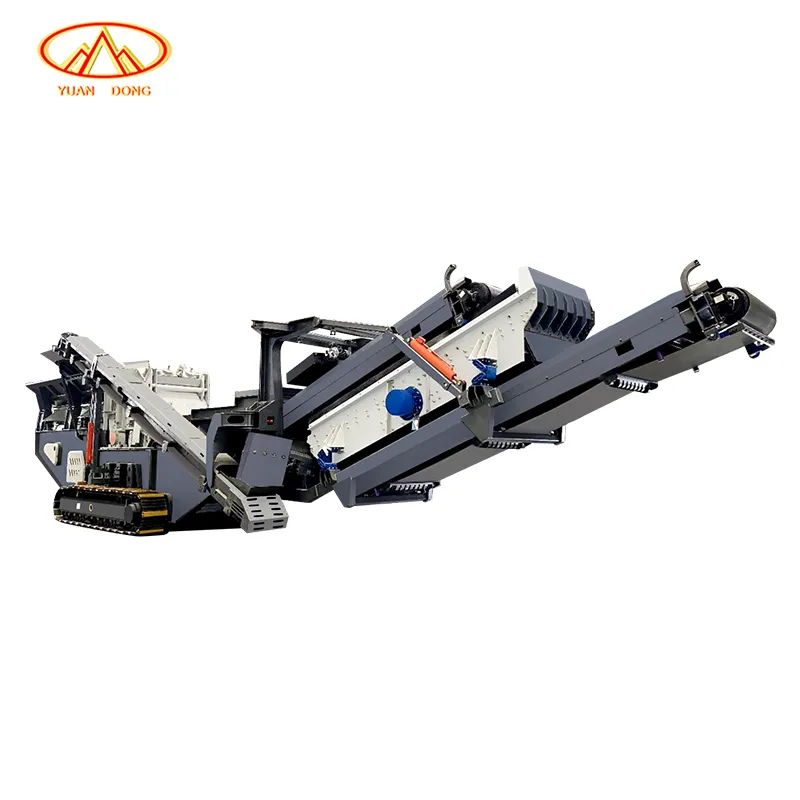
Daily Mobile Jaw Crusher Maintenance for Peak Operational Efficiency
Inspecting Critical Wear Parts: Jaw Plates, Liners, and Fasteners
Regular checks on jaw plates, liners, and all those fastening parts are essential if we want to prevent major breakdowns down the line. When looking at the plates, watch out for areas where the wear is getting serious—anything over about 30% thickness gone tends to really cut down on crushing performance. For the liner bolts, make sure they're tightened properly between 350 and 450 Newton meters.
Use good quality calibrated wrenches for this job since bolts that come loose can actually speed up structural problems by as much as seventy percent. Keep track of these wear measurements in the maintenance records so we can plan replacements before things get bad. And absolutely replace anything with cracks deeper than 2 millimeters right away. These small fractures might not seem like much now but they can lead to dangerous fragmentation issues later on.
Lubricating Bearings and Eccentric Shafts to Prevent Premature Failure
Getting the lubrication right can actually double the life of bearings in those tracked crushers. The general recommendation is to apply NLGI Grade 2 lithium complex grease on those eccentric shafts roughly every eight hours they're running. When there's not enough grease, temperatures tend to spike past 85 degrees Celsius, which isn't good for anyone.
On the flip side, putting too much grease around just invites all sorts of abrasive dust into the mix. Before putting fresh grease on, it's really important to clean out whatever old stuff was there first because metal particles mixed in can cause serious problems down the road. Keep an ear out for unusual noises coming from the bearings too.
If something starts sounding high pitched or metallic, that usually means the lubrication isn't doing its job properly. And if someone happens to be working with materials like granite or basalt where vibrations run wild, then bumping up the lubrication schedule by about a quarter makes sense in most cases.
Verifying Feed Alignment, Belt Tension, and Hydraulic System Integrity
Around 40% of unexpected shutdowns in mobile crushers actually come down to misaligned feed chutes. Checking that materials are flowing centrally into the crushing chamber can be done with those laser alignment tools available nowadays. When it comes to V-belts, we need to test their tension by pressing down until there's about 15 to 20 mm of give when applying roughly 10 kg of force.
This helps maintain good power transfer across the system. Hydraulic pressure should stay within 10% of what the manufacturer specifies, so regular checks are important. Daily inspections of hoses for any signs of leakage will catch problems before they become serious.
Don't forget to test those emergency stop functions too, along with checking accumulator pre-charge levels whenever shifts change over. And keep an eye on fluid temperatures - anything consistently above 60 degrees Celsius might signal early signs of overheating that could lead to bigger issues later on.
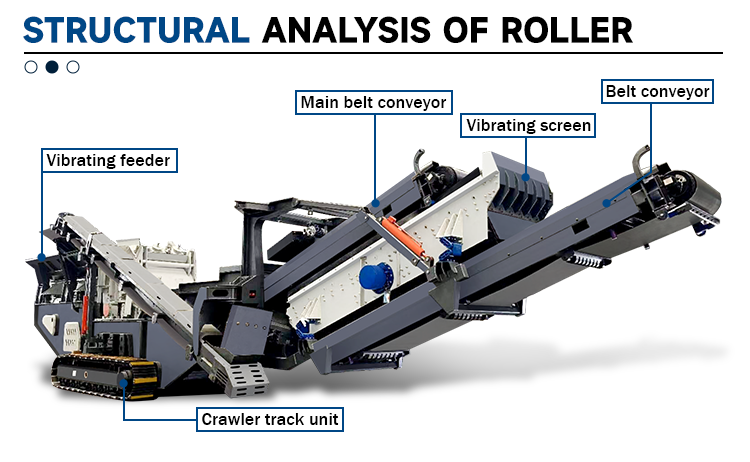
Scheduled Preventive Maintenance for Mobile Jaw Crusher
Structured preventive maintenance prevents catastrophic failures and extends equipment lifespan. Crushers with scheduled upkeep operate 40% longer between major overhauls and experience 57% less unplanned downtime (Aggregates Manager 2024).
Weekly Checks: Tracking Wear Progress and Adjusting Clearances
Use calibrated gauges to measure jaw plate thickness, liner gaps, and crushing chamber dimensions. Compare findings against baseline documentation to forecast replacement timelines. Adjust closed-side settings (CSS) when wear exceeds 3 mm tolerance—misalignment accelerates component fatigue by 200%. Verify hydraulic cylinder pressures and toggle plate integrity to preserve crushing kinematics.
Monthly Deep Inspection: Pitman, Cheek Plates, and Structural Mounts
Perform comprehensive structural evaluations including:
· Pitman assembly: Inspect for hairline cracks using dye penetrant testing
· Cheek plates: Confirm bolt torque (350-400 Nm) and assess backing weld integrity
· Frame mounts: Evaluate vibration dampeners and foundation bolt tightness
Document all findings to establish wear-rate benchmarks. Crushers undergoing monthly inspections show 30% lower bearing replacement frequency and 22% higher throughput consistency. Replace sacrificial components at 60% wear depth to prevent substrate damage.
Pro Tip: Synchronize inspections with lubrication cycles to minimize operational disruptions.
Optimizing Lubrication Strategy for Mobile Jaw Crusher Bearings
Selecting the Right Grease Type and Application Frequency
Use lithium-complex or calcium sulfonate greases for high-load, harsh-environment crushers; synthetic base oils are ideal for extreme temperatures (±50°C). Re-lubrication intervals must align with operating conditions:
| Operating Temp (°C) | Runtime (hrs/day) | Re-lubrication Frequency |
|---|---|---|
| <30°C | <8 | Every 250 hours |
| 30-50°C | 8-16 | Every 120 hours |
| >50°C | >16 | Every 80 hours |
According to the Industrial Maintenance Foundation, 40-50% of premature bearing failures stem from incorrect lubrication schedules.
How Contamination Control and Re-lubrication Intervals Impact Bearing Lifespan
Getting dust inside bearings really speeds up wear and tear, often shortening their useful life by around two thirds. The best defense? Seal those housing units properly and don't forget to purge out old grease once a month to get rid of built up dirt. Keep an eye on vibrations too. If readings jump about half a millimeter per second, that's usually when we need to top up lubrication fast.
Cleanliness matters big time during maintenance work. Dirty environments just invite more problems down the road. Regular greasing keeps things running smooth and stops lubricant from running dry. For tracked crushers specifically, sticking with this routine can stretch bearing life anywhere from three to five extra years in most cases.
Maximizing Mobile Jaw Crusher Lifespan Through Maintenance Discipline
Regular maintenance can actually extend the lifespan of mobile jaw crushers by around 23% compared to just fixing things when they break down, according to the Industry Maintenance Report from 2024. For best results, set up daily checks on those critical parts like jaw plates and bearings. Don't forget monthly inspections too looking at pitman arms and where everything mounts together.
Lubrication matters a lot here too. Stick closely to what the manufacturer recommends because not greasing enough will wreck bearings fast, but putting on too much grease just creates mess and contamination problems. Field operators who watch for signs of wear before failures happen typically spend about 31% less on repairs each year.
Pair hands-on inspections with a good Computerized Maintenance Management System or CMMS software to keep track of schedules and monitor how long parts last. While premium wear components might cost more initially, they tend to need replacing less often. Over five years, this approach actually saves money with total ownership costs dropping by approximately 19%. Plus, production stays consistent since the crusher keeps working at full capacity.
Conclusion
Extending a mobile jaw crusher’s service life relies on consistent, proactive maintenance. From daily wear part checks to optimized lubrication and scheduled inspections, each step safeguards performance and reduces costs.By integrating these tips and leveraging tools like CMMS software, operations ensure their mobile jaw crusher delivers reliable, long-term value while minimizing downtime and repair expenses.