
 EN
EN
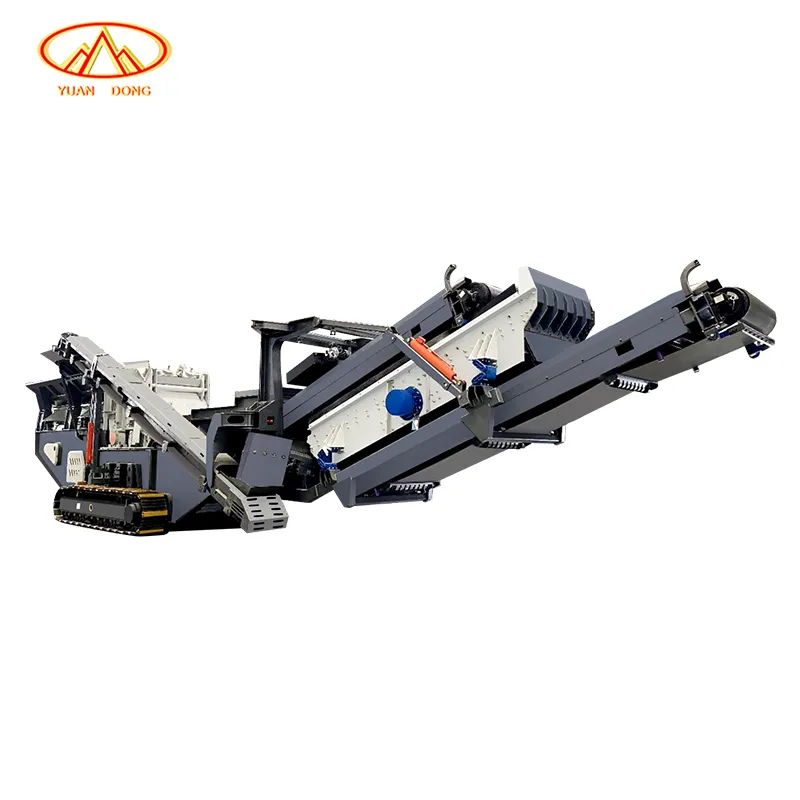
A mobile jaw crusher is a major investment for quarry and construction operations. Controlling its operating costs directly boosts profitability. This guide shares proven strategies to cut expenses. It covers fuel efficiency, maintenance, precision operation, and telematics use for your mobile jaw crusher.
Optimize Fuel and Power Efficiency in Your Mobile Jaw Crusher
Load-matching and RPM control to cut fuel consumption by up to 22%
Smart load matching reduces wasted power during engine idling. It adjusts output based on real-time demand. Keeping engines at 65-75% of top speed balances performance and fuel use. This avoids overconsumption during low-work periods. Real-world tests show 18-22% diesel savings vs. constant high-speed operation. Automatic feed controls enhance this efficiency. They align material intake with crusher capacity. This prevents energy-draining stop-start cycles. Hydraulic pressure sensors activate during relocation. They prevent engine overwork while moving between sites.
Identifying and correcting hydraulic—powertrain misalignment in crawler-based mobile jaw crusher
Tracked mobile jaw crushers face hydraulic powertrain efficiency loss over time. Wear or calibration issues cause this. Symptoms include unusual vibrations and 15-20% higher fuel consumption. Check hydraulic circuit pressure differences post-startup. A 10%+ difference indicates flow restrictions. Adjusting pump compensator valves often fixes the issue. Old swivel joints may need replacement.
Severe cases require laser realignment of transmission couplings. Quarterly infrared thermography checks catch early problems. Watch for 9°C (16°F) temperature differences between matching parts. These routines maintain hydraulic efficiency above 92%. This significantly cuts operating expenses.
Apply Data-Driven Preventative Maintenance to Cut Downtime and Repair Costs
Tiered inspection protocol: Daily, weekly, and monthly checks for critical mobile jaw crusher components
Regular inspections prevent minor issues from escalating. Daily checks focus on jaw dies and toggle plates. Operators also inspect hydraulic systems for cracks or leaks. Weekly checks use tools to verify belt tension and bearing temperature. They also assess liner wear. Monthly inspections measure crusher frame alignment. Technicians monitor motor vibrations during these checks. Following this schedule reduces unexpected breakdowns by 30%. It also extends part lifespan by catching issues early.
Field-validated wear-part replacement cycles from 12 tracked mobile jaw crusher deployments
Data from 12 mobile jaw crusher deployments guides replacement timelines. Jaw liners typically need swapping at 400-600 hours. Material type affects this timeline significantly. Hydraulic filters should be changed every 250 hours. Properly maintained eccentric bearings last over 1,200 hours. Following these windows cuts unnecessary replacements by 20%. It also reduces spare part stockpiling costs. Modern telematics adjust schedules based on actual usage.
Maximize Mobile Jaw Crusher Lifespan Through Precision Operation
Choke feeding, feed gradation control, and toggle setting alignment for optimal throughput and liner life
Getting the operations just right really helps equipment last longer and saves money on replacements down the road. When operators manage choke feeding properly, they keep the chamber consistently filled which stops those pesky air gaps from forming. These gaps are bad news because they lead to uneven wear on liners and can cut impact damage by around 20% give or take.
Controlling what gets fed into the system matters too. Material needs to stay within the sweet spot for the crusher. If big rocks come in, they'll wreck the jaw plates faster than normal. On the flip side, too many small particles create extra friction and heat buildup that nobody wants to deal with.
| Technique | Function | Lifespan Impact |
|---|---|---|
| Choke Feeding | Maintains full chamber capacity | Reduces liner wear by 22% (Aggregates Quarterly 2023) |
| Gradation Control | Filters oversize/fines | Prevents 30% premature wear in tracked crushers |
| Toggle Alignment | Optimizes jaw plate spacing | Extends component life 40% vs misaligned units |
Getting the toggle settings right means adjusting the closed side setting or CSS according to how hard the material being processed actually is. When this isn't done properly, it creates uneven forces across the frame which can really stress out those crawler type units over time. Maintenance staff need to check their CSS at least once every week with good quality shim gauges because even small changes matter. We've seen cases where just half a millimeter off spec leads to about fifteen percent more stress on the toggle plates.
Stick with regular maintenance like this and most plants report around twenty seven percent better throughput rates while liners last roughly twice as long in tracked setups. These aren't just theoretical gains either they translate directly into real money saved on replacements and downtime costs.
Leverage Telematics and Remote Monitoring to Proactively Manage Operating Costs
Telematics integration transforms mobile jaw crusher cost management. It monitors real-time performance metrics. These include engine performance, hydraulic pressure, fuel use, and material flow. Remote monitoring detects early issues. Unusual vibrations or pressure drops are spotted before major breakdowns.
FieldInsight (2025) research confirms proactive maintenance benefits. It reduces unexpected downtime by 30% and repair costs by 22%. Smart analytics optimize part wear and output. Central dashboards simplify multi-unit management. This aids maintenance planning and resource allocation. It cuts service wait times and unnecessary fuel use. Data-driven insights lower daily expenses.
Conclusion
Reducing operating costs with a mobile jaw crusher requires integrated strategies. Fuel optimization, proactive maintenance, and precision operation are key.Leveraging telematics further enhances cost control. These measures extend equipment life and boost profitability. A well-managed mobile jaw crusher delivers long-term value for any operation.