
 EN
EN
What Is a Mobile Jaw Crusher and Why It's Essential for Modern Quarrying
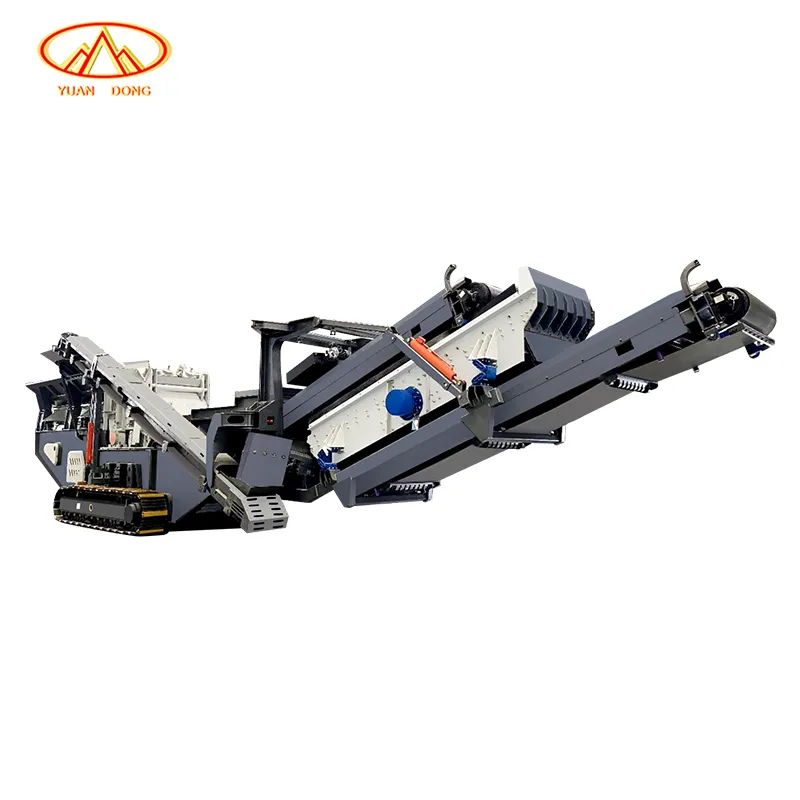
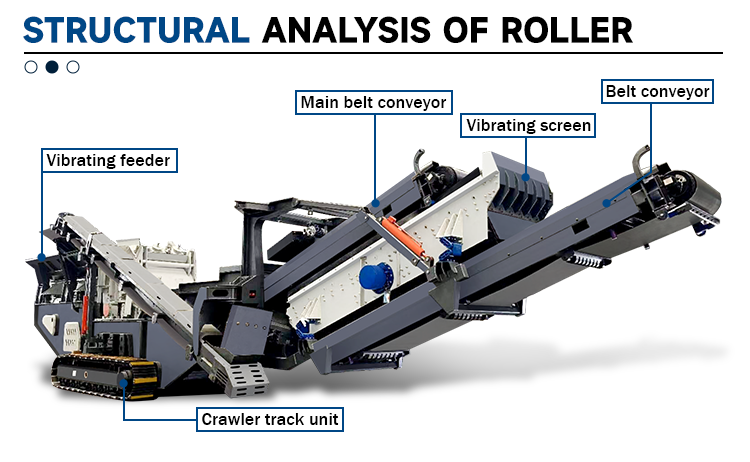
Mobile jaw crushers integrate rock-crushing power with built-in mobility systems. These systems are typically crawler tracks or wheels for quick location shifts. They serve as the backbone of today’s aggregate operations. Their design features a stationary jaw and a reciprocating moving jaw. This design crushes materials like granite, basalt, or old concrete on-site. On-site processing eliminates the need for hauling to separate plants. Aggregates Quarterly (2025) data shows this cuts project time by around 30%. Crawler tracks enable movement along mineral deposits easily.
They also allow job switching without road or infrastructure investments. Newer Tier 4 Final engines boost fuel economy and reduce exhaust emissions. Fewer trucks are needed for material transport. This lowers carbon emissions by 15-20% per ton processed. For quarries, mobile jaw crushers offer flexibility and cost control. They help meet environmental regulations better than fixed setups.
Key Technical Specifications and Performance Metrics of Mobile Jaw Crusher
Understanding core technical specifications directly impacts operational efficiency and profitability. These metrics determine equipment suitability for specific material types and project requirements—and influence total cost of ownership.
Crushing Capacity, Feed Size, and Reduction Ratio
The crushing capacity, measured in tons per hour (tph), generally falls between 200 and 500 tph for top performing machines designed to handle tough materials such as granite. When it comes to feed size, most units will take material up to around 500-700 mm in size before processing. The reduction ratio usually ranges from about 6:1 to 8:1 which means the equipment can reduce material size effectively in just one pass through the system. Getting these numbers right matters a lot though.
If the feed is too big, production drops significantly sometimes by as much as 30%. And if the reduction isn't sufficient enough, operators end up needing another round of crushing, which adds extra expenses both upfront and during regular operations.
Engine Power, Mobility Features, and On-Site Setup Time
The latest models come equipped with Tier 4 Final engines ranging from 300 to 450 horsepower that pack serious punch while burning about 15 to 25 percent less diesel fuel compared to older versions. The crawler design handles slopes as steep as 30 percent without needing any trailers attached, making it possible to move around rough ground that's not properly prepared.
With hydraulic folding conveyors and automatic leveling features built right in, these machines are ready to go within just 15 minutes flat, which is roughly double what most traditional setups can manage. And this quicker startup time means workers spend less time idling around waiting for equipment to get going, plus projects can kick off much sooner after arrival on site.
Comparing Mobile Jaw Crushers vs. Stationary Systems and Other Mobile Crushers
Mobile jaw crushers offer distinct advantages over fixed plants and alternative mobile crushing technologies—particularly in logistics, adaptability, and material-specific performance.
Advantages Over Fixed Jaw Plants in Flexibility and Logistics
Setting up stationary jaw plants needs a lot of groundwork first – think concrete bases and all sorts of fixed utilities – which basically means these installations stay put forever and moving them isn't really feasible. On the flip side, mobile jaw crushers can be set up right there at the job site without needing any special infrastructure. Having the crusher close to where materials are being dug out cuts down on transportation expenses significantly throughout the whole project.
Industry data suggests around 30 to maybe even 40 percent savings just from reduced trucking alone. Plus, these mobile units can easily shift from one location to another every week or so. This flexibility makes all the difference when working on temporary projects or in hard to reach areas where getting stuff moved around eats up most of the budget anyway.
How Mobile Jaw Crushers Differ from Mobile Impact or Cone Units
Jaw crushers work by squeezing material between two plates, one stationary and one that moves back and forth. This makes them great for breaking down tough stuff like granite and basalt when first processing raw material. Cone crushers take a different approach altogether. They have this spinning cone inside a bowl shape that crushes rocks into nice uniform pieces, perfect for making asphalt mix or concrete aggregate. Impact crushers are another beast entirely.
These machines smash rocks with fast moving parts called blow bars or impellers. They handle softer materials really well but tend to create too many small particles and wear out faster when dealing with gritty materials. The bottom line is that compression methods generally last longer than impact ones because they don't beat up the parts as much.
When picking equipment, it all comes down to what kind of rock we're dealing with and what size product we need. Jaws do the heavy lifting upfront, cones refine the shape and size, while impacts come in handy for recycling projects or softer rock types.
Maximizing ROI: Operational Best Practices and Total Cost of Ownership
Fuel Efficiency and Maintenance for Mobile Jaw Crusher
Fuel remains a top operational expense—modern mobile jaw crushers reduce diesel consumption by 15–25% through optimized hydraulic circuits and engine management (Aggregates Manager 2023). Scheduled maintenance every 250–500 operating hours prevents unplanned downtime, while extended-life manganese jaw plates last 1.8– longer than standard alternatives. Prioritize three practices:
· Telematics monitoring for real-time fuel and performance analytics
· Modular component designs that simplify and accelerate wear-part replacement
· Pre-shift inspections to detect early signs of misalignment or wear
Real-World Case Study: 30% Faster Project Turnaround with Mobile Jaw Crushing
A Southwest U.S. aggregate producer achieved a 30% reduction in site completion time by replacing stationary plant workflows with track-mounted jaw crushers. Key outcomes included:
· 98% reduction in relocation time (<2 hours versus 7 days for fixed plant teardown)
· 19% higher throughput, enabled by direct feeding without intermediate conveyors
· 12% lower labor costs, driven by simplified setup and reduced supervision needs
This case confirms mobile jaw crushers shorten payback periods—especially across multi-site projects—by delivering portability without compromising primary crushing capacity.
| Cost Factor | Fixed Plant | Mobile Jaw Crusher |
|---|---|---|
| Setup/Relocation | 14–21 days | <1 day |
| Fuel Consumption | High | Optimized |
| Downtime Impact | Site-wide | Isolated |
Conclusion
The mobile jaw crusher’s working principle—compression via reciprocating jaws—delivers reliable primary crushing. Its mobility and efficiency make it essential for modern quarrying.By understanding its specs, advantages over fixed systems, and best practices, quarries maximize ROI. The mobile jaw crusher remains a cornerstone for flexible, cost-effective, and compliant aggregate operations.