
 EN
EN
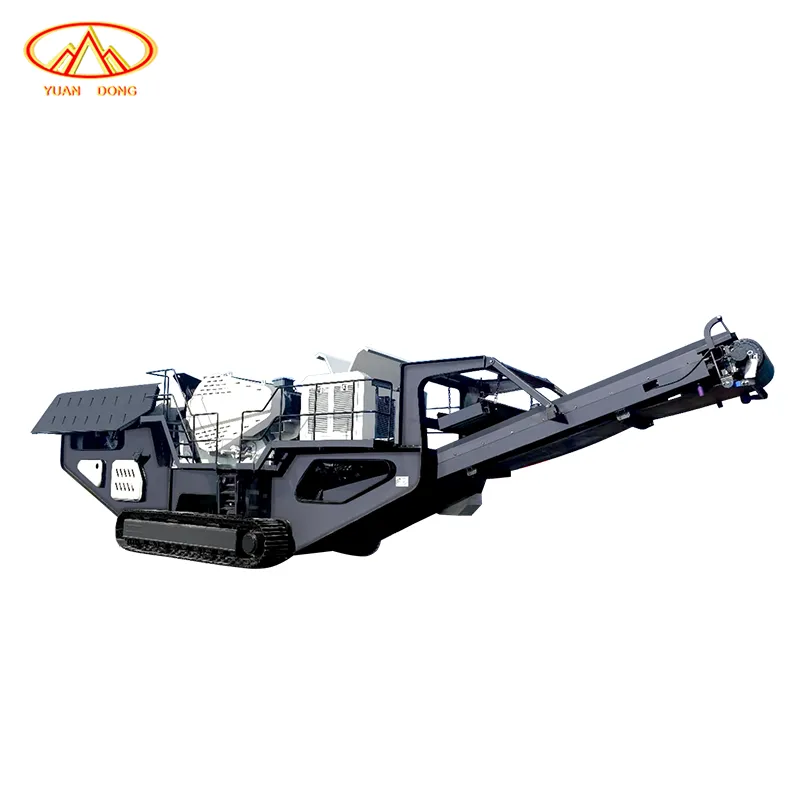
Choosing the right mobile jaw crusher is critical for construction project success. A mismatched unit can cause cost overruns, downtime, and reduced productivity. This guide breaks down key selection factors. It helps you align mobile jaw crusher specs with project needs, material types, and operational goals.
Align Mobile Jaw Crusher Specifications with Project Requirements
Matching throughput, feed hardness, and mobility demands to crusher capacity and configuration
Selecting the optimal mobile jaw crusher begins with rigorous cross-analysis of three operational parameters:
a. Material hardness dictates jaw plate metallurgy and crushing chamber geometry. Basalt or granite (>6 Mohs) requires reinforced manganese steel plates and steeper nip angles to withstand impact and abrasion.
b. Hourly throughput must align with crusher stroke and eccentric speed settings. Undersized units choke under 300 tph demands, while oversized configurations waste 31% more fuel (Aggregates Today, 2023).
c. Terrain mobility determines chassis selection: crawler-mounted units deliver essential stability on steep or unprepared ground (e.g., 30° gradeability), whereas road-legal wheeled models suit urban recycling and paved-site applications.
Why 68% of underperforming crushing operations stem from mismatched mobile jaw crusher specs (CIM, 2023)
Most crushing project failures come from mismatched specs. CIM (2023) research confirms 68% of underperforming operations face this issue. Feed size is a common pain point. Exceeding the 500mm intake limit by 5% drops throughput by 22%. Bridging issues and uneven wear cause this steep decline. Field crews regularly observe these problems in operations.
Another mistake is using track-mounted crushers on paved surfaces. This increases undercarriage repair costs by 19%.Correct specs cut unexpected downtime by 340 hours yearly. This saves roughly $740,000 in lost productivity (CIM, 2023).
Match Material Type and Application to Mobile Jaw Crusher Design
Granite, basalt, and recycled concrete: How abrasiveness impacts jaw plate wear, duty cycle, and maintenance frequency
Material abrasiveness heavily influences mobile jaw crusher performance. Harder materials accelerate wear significantly. Granite and basalt (Mohs 6-7) increase jaw plate wear by 40-60%. This is compared to softer limestone processing. Hard materials require biweekly maintenance checks. This ensures consistent operation and prevents breakdowns.
Recycled concrete poses unique challenges. Embedded rebar strains components and causes uneven wear. Manganese steel jaws and hydraulic adjustment systems are critical here. They maintain product size despite wear. These features reduce unexpected breakdowns by 35%. They also let teams plan maintenance proactively.
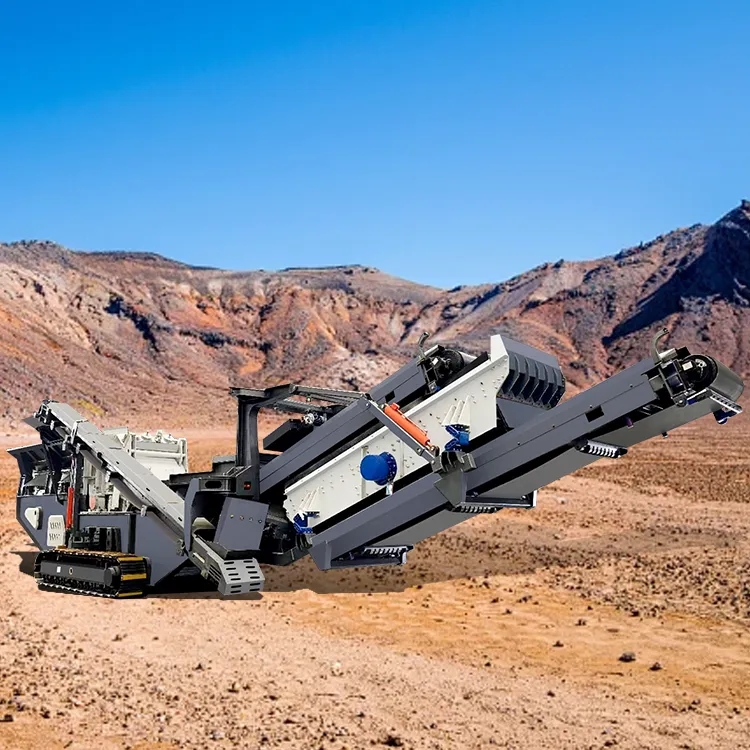
Optimize Feed and Output Sizing for Maximum Mobile Jaw Crusher Efficiency
The 80/20 Sizing Rule: Why Exceeding Max Feed Size by Just 5% Reduces Throughput by 22% (Metso Wear Study, 2022)
Adhering to feed size limits is vital for equipment longevity. The 80/20 rule guides proper sizing. This rule requires feed sizes at or below 80% of the crusher’s rating. It prevents component damage and ensures quality.Exceeding max feed size by 5% reduces throughput by 22% (Metso, 2022).
Oversized materials overwork jaw plates. Overworked plates wear faster and cause downstream issues. This increases operational costs over time.Consistent feed sizes improve particle interaction. They reduce material recirculation and energy costs per ton.
Achieving Target Gradation: Integrated Screening vs. Post-Crush Screening in Mobile Jaw Crusher Setups
Precise output sizing demands strategic screening integration. Two dominant approaches exist:
| Screening Method | Key Advantages | Operational Constraints |
|---|---|---|
| Integrated Screening |
Real-time closed-circuit gradation control Single-operator mobile jaw crusher setups 30% less repositioning time (multi-site operations) |
Higher initial CAPEX; restricted to 400 tph capacities |
| Post-Crush Screening |
Handles 600+ tph outputs Modular scalability for varied products 20% lower maintenance cost for screening components |
Requires secondary conveyors; 15–25% larger site footprint |
Integrated systems automatically recirculate oversize material—ideal for confined urban demolition projects. Standalone screening offers superior flexibility for large quarry applications requiring multiple aggregate fractions. Pilot testing with actual feed remains critical: basalt typically demands heavier-gauge screens than recycled concrete to maintain sizing accuracy.
Select the Right Mobility Platform: Tracked vs. Wheeled Mobile Jaw Crushers
Crawler-Mounted Advantages on Steep, Unstable, or Unprepared Terrain
Crawler-mounted mobile jaw crushers excel in tough terrain. They offer superior stability and grip on steep or shaky ground. Their weight spreads evenly and sits low. This reduces ground pressure by 60% vs. wheeled models. They resist slipping on steep slopes. Hydraulic systems keep them level on uneven surfaces.
Remote mining sites (e.g., Andes copper mines) benefit most. They navigate mud, loose rocks, and hills easily. Wheeled models transport better by road. But they struggle on soft ground and may need site prep. Crawlers operate on unprepared sites. They keep projects moving where other machines stall.
Avoid Costly Mobile Jaw Crusher Selection Mistakes
The 'capacity over-spec' trap: Oversizing increases fuel use by 31% without ROI gain
Choosing an oversized mobile jaw crusher wastes money. These units burn 31% more fuel yearly (Aggregates Today, 2023).
Engines run inefficiently when underloaded. This offers no performance benefits for smaller projects. Transporting oversized machines uses more fuel. Their extra weight increases logistics costs. Unused capacity rarely justifies the higher price. Maintenance costs also rise for idle large components. Proper selection requires real-world material testing. Calculate actual throughput needs instead of relying on spec sheets.
Conclusion
Selecting the right mobile jaw crusher demands careful alignment with project specs, materials, and terrain. Avoiding common pitfalls like over-sizing ensures cost efficiency and productivity.By matching feed requirements, material abrasiveness, and mobility needs to your mobile jaw crusher, you minimize downtime and maximize returns. This strategic approach turns the mobile jaw crusher into a reliable asset for any construction project.
Table of Contents
- Align Mobile Jaw Crusher Specifications with Project Requirements
- Match Material Type and Application to Mobile Jaw Crusher Design
- Optimize Feed and Output Sizing for Maximum Mobile Jaw Crusher Efficiency
- Select the Right Mobility Platform: Tracked vs. Wheeled Mobile Jaw Crushers
- Avoid Costly Mobile Jaw Crusher Selection Mistakes
- Conclusion