
 EN
EN
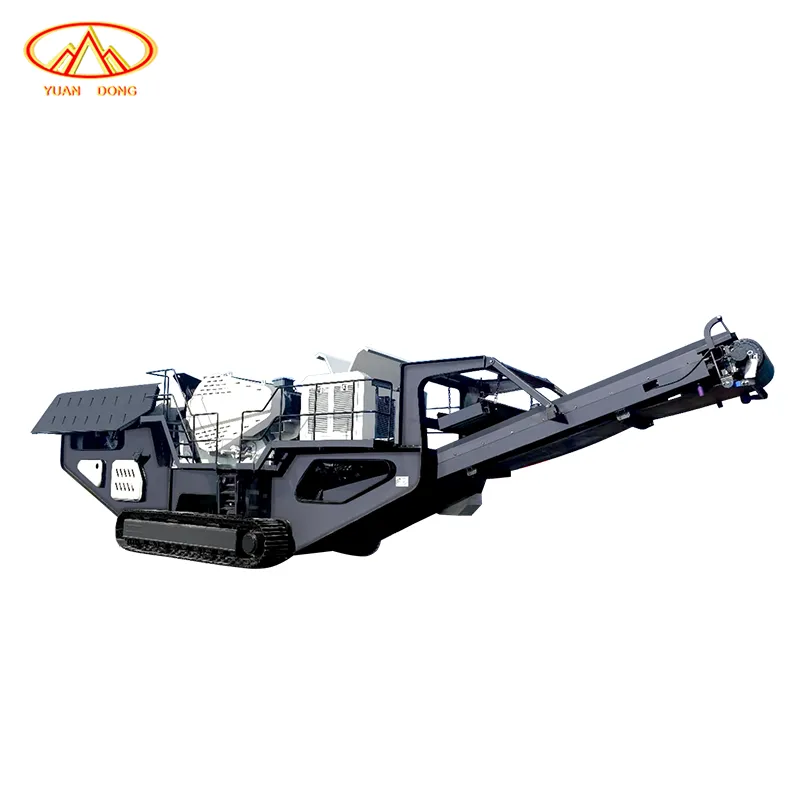
Unmatched Mobility of Mobile Jaw Crusher for Rapid Site Deployment
Tracked Chassis of Portable Jaw Crusher Enables Remote/Congested Zone Access
Mobile jaw crushers feature a tracked undercarriage. This design outperforms wheeled machines in navigating rough terrain. They handle ungraded raw land, steep slopes and tight city construction zones. Wheeled equipment often fails in these areas. Contractors process demolition waste or rock on-site with this machine. It eliminates the need for off-site processing shipments.
Industry reports confirm local processing cuts aggregate transport costs by 40%. This saves contractors a significant sum. Notably, these machines occupy little on-site space. They minimize disturbance to surrounding areas. Most importantly, crews can start full operation in hours. Projects progress the same day the equipment arrives.
Crawler-Based Navigation Over Unstable, Uneven, or Low-Load-Bearing Surfaces
Crawler propulsion spreads weight over a large area. This keeps the machine stable on tricky terrain. It works well on soft soils, old landfills and steep slopes. These areas often have low load-bearing capacity (1.5 kg/cm²). The hydraulic track-tightening system adjusts to ground conditions. It adapts automatically as the machine moves.
In challenging areas like riversides or landslide-prone zones, it stays secure. Tipping risks are effectively eliminated. This capability expands workable areas for contractors. No costly ground reinforcement is required beforehand. It’s a key reason mobile jaw crushers excel where traditional equipment struggles.
Significant Operational Cost Savings with Mobile Jaw Crusher On-Site Crushing
Reduction in Aggregate Hauling Costs by Up to 40% Through Primary Crushing at Source
On-site processing of materials cuts budget-draining logistics costs. Tracked jaw crushers are pivotal in this regard.Parker & Associates’ 2025 research supports this. It states hauling expenses drop 30-40% with on-site crushing. The machine eliminates multiple trips to fixed processing plants. Fuel costs and labor needs are reduced. Third-party fees, contractor markups and road charges are also avoided. These costs add up quickly otherwise.
Studies show raw demolition waste transport burns 22% more fuel per ton. On-site crushing avoids this inefficiency. This translates to 17 fewer metric tons of CO₂ emitted monthly per unit. It boosts environmental sustainability. Additionally, on-site processing prevents highway weight limit violations. Costly fines are thus avoided. It also reduces road damage and related repair delays. Projects stay on track despite traffic or bad weather.
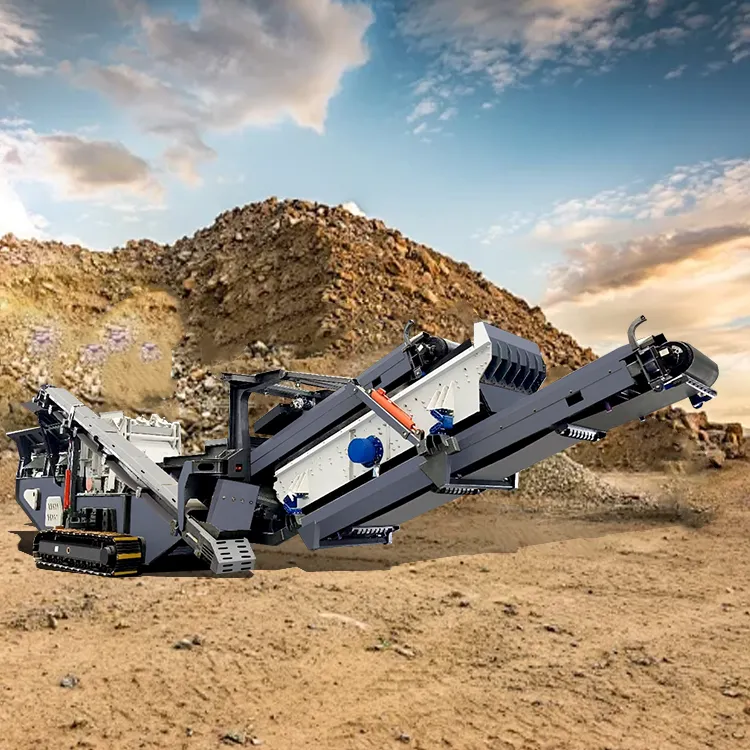
Streamlined Workflow and Labor Efficiency
Hydraulic Adjustment Cuts Mobile Jaw Crusher Setup Time by 65%
Mobile jaw crushers feature hydraulic gap adjustment. Operators tweak crushing settings in just over two minutes. Traditional fixed plants require 8 hours of manual shim adjustment. This saves valuable time for construction teams. On-the-fly adjustments enable quick material switching. Product consistency is maintained with minimal downtime. Field tests show 43% higher production than older mechanical systems. Time savings drive this efficiency gain.
Single-Operator Control Minimizes Crew Requirements and Training Burden
Integrated control cabins combine feeding, crushing and sizing. They use an intuitive, single interface.New operators master the system in 12 hours. This is 70% faster than multi-crew systems.One operator replaces four crew members. It cuts annual labor costs by ~$186,000 per unit.
| Efficiency Factor | Fixed Plants | Mobile Jaw Crusher | Improvement |
|---|---|---|---|
| Setup Time | 6-8 hours | 15-20 minutes | 65% reduction |
| Crew Size | 4 operators | 1 operator | 75% reduction |
| Training Duration | 40 hours | 12 hours | 70% reduction |
This control consolidation eases industry labor shortages. It maintains high output quality and scheduling predictability. Choosing a mobile jaw crusher streamlines construction workflows effectively.