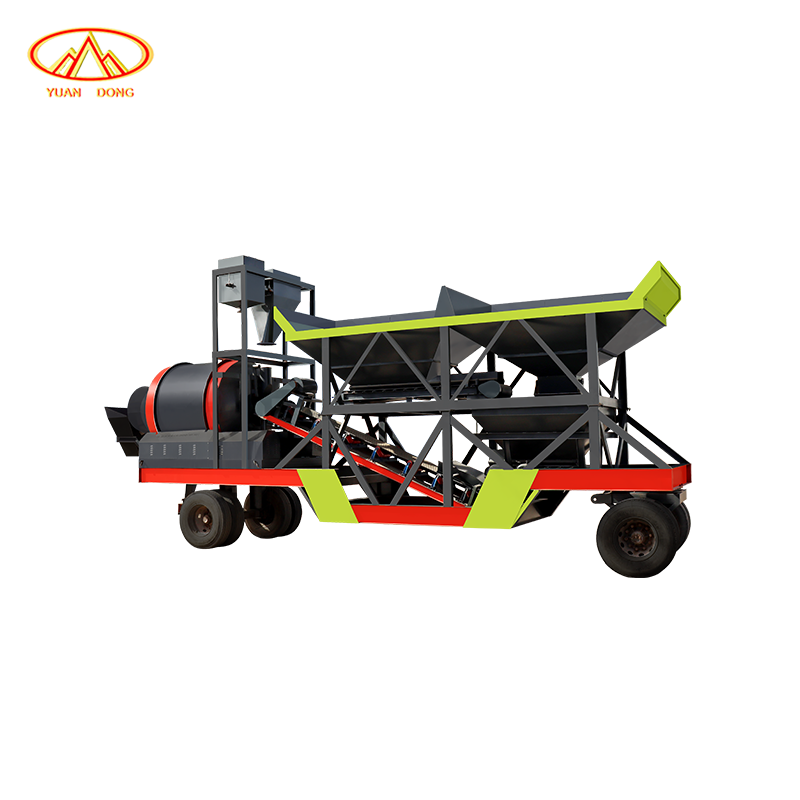
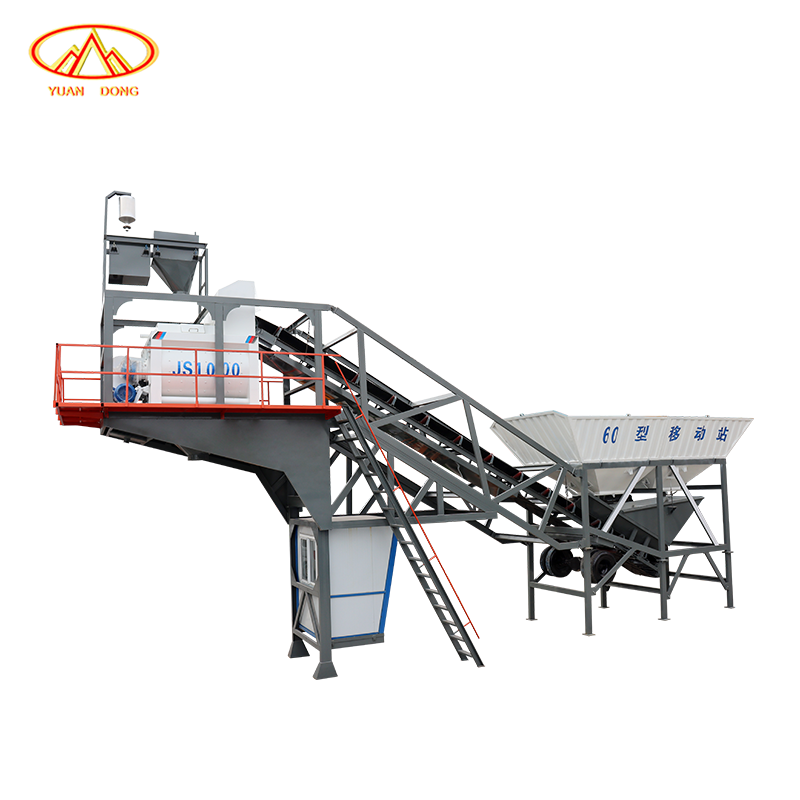
Concrete mixing plant for large engineering construction Concrete mixing station is mainly composed of five systems including mixing host, material weighing system, material conveying system, material storage system and control system and other anc...
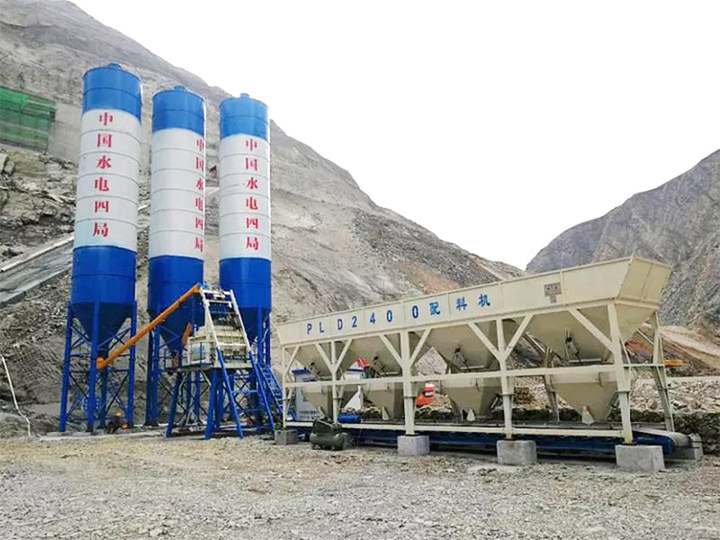
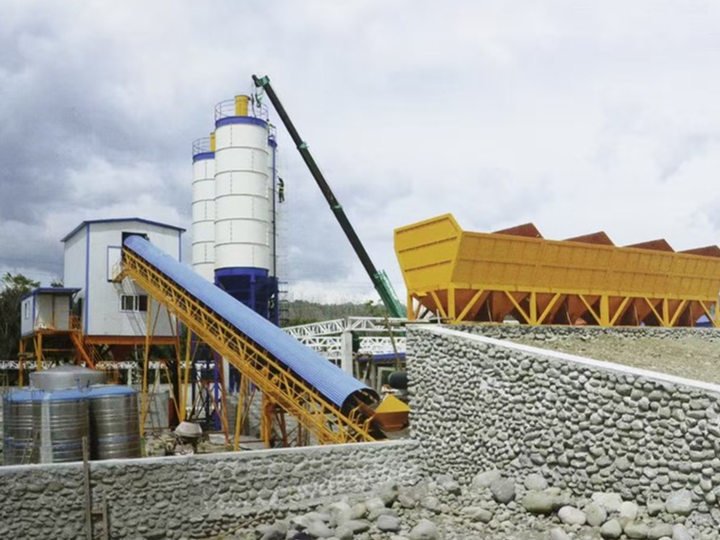
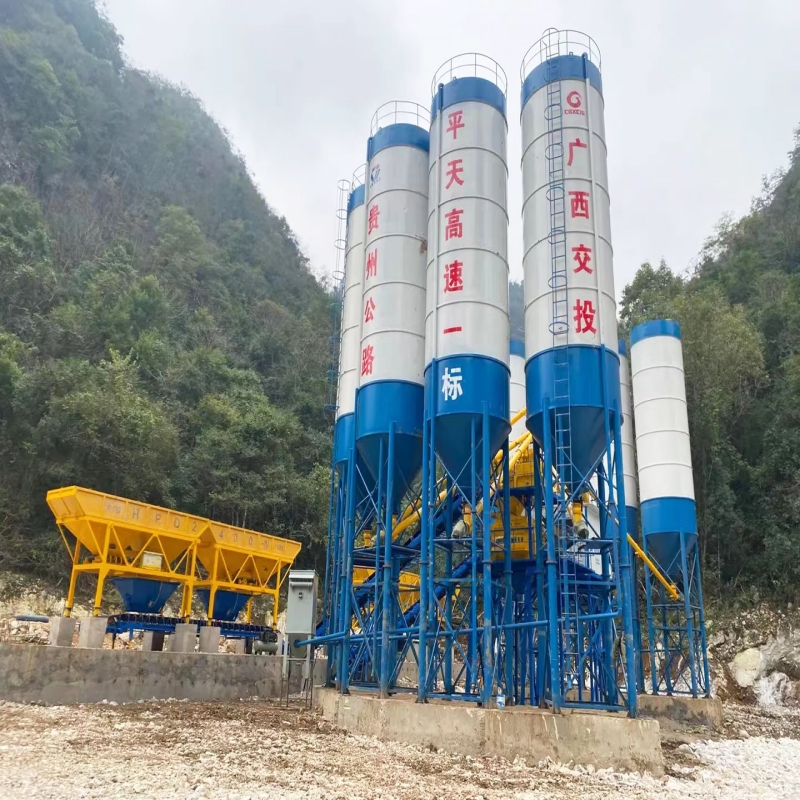
Concrete mixing plant for large engineering construction
Concrete mixing station is mainly composed of five systems including mixing host, material weighing system, material conveying system, material storage system and control system and other ancillary facilities. Compared with the aggregate measurement of the station, the aggregate measurement of the floor reduces four intermediate links, and the material measurement is vertical, which saves the measurement time and greatly improves the production efficiency.
The following are the working principles, characteristics and functions of the equipment
Function
Concrete mixing station is a combined device used for centralized mixing of concrete, also known as concrete prefabrication site. Due to its high degree of mechanization and automation, it has high productivity, can ensure the quality of concrete and save cement, and is often used in large and medium-sized water conservancy, power, bridge and other projects with large concrete engineering volume, long construction period and concentrated construction sites. With the development of municipal construction, mixing stations that use centralized mixing and provide commercial concrete have great advantages, and thus have developed rapidly, creating conditions for promoting concrete pumping construction and realizing the combined operation of mixing, conveying and pouring machinery.
Working Principle
The concrete mixing station is divided into four parts: sand and gravel feeding, powder feeding (cement, fly ash, expansion agent, etc.), water and admixture feeding, transmission mixing and storage. After the mixer control system is powered on, it enters the human-machine dialogue operation interface, and the system performs initialization processing, including formula number, concrete grade, slump, production volume, etc. According to the weighing, each silo and metering hopper are inspected, and the empty or full material signal is output to prompt the operator to determine whether to start the mixing control program. Start the sand and stone belt motor to feed the metering hopper; open the butterfly valve of the fly ash and cement tank, start the screw machine motor to transport fly ash and cement to the metering hopper; open the control valve of the water tank and admixture tank to allow water and admixture to flow into the metering hopper. After the metering meets the set requirements, open the metering hopper door, and the ingredients enter the started mixer for mixing. At the set time, open the mixer door, and the concrete enters the mixer truck that has received the material.
1. Each cylinder, control valve and motor operates according to the requirements of the concrete mixing process. The control of each cylinder, control valve and motor must be accurate, stable and reliable.
2. The control system has two working modes: automatic and manual, and the relationship between them is independent and mutually restrictive.
3. The system has good anti-interference ability and perfect alarm self-protection function.
4. Through communication with the computer, the system working status and fault alarm can be displayed.
Mixing station characteristics
Concrete mixing station is a building material manufacturing equipment composed of five major systems: mixing host, material weighing system, material conveying system, material storage system, control system and other ancillary facilities. Its main working principle is to use cement as a binder, mix and mix raw materials such as sand, lime, and coal slag, and finally make concrete, which is put into construction and production as a wall material. Since it was put into use, the concrete mixing station has always played an important role in my country's construction and building materials industry. Of course, this is also determined by the superior characteristics of the concrete mixing station itself.
The concrete mixing station is mainly divided into four parts: sand and gravel feeding, powder feeding, water and admixture feeding, transmission mixing and storage. The whole equipment is cast with an integral steel structure. The high-quality H-shaped steel not only has a beautiful appearance, but also strengthens the overall structural strength of the concrete mixing station. The equipment is easy to install and can be applied to various complex terrain structures.
The concrete mixing station has good mixing performance. The equipment adopts a spiral double-horizontal shaft forced mixing host. Not only is the mixing machine strong, but it can also achieve good mixing effects for dry hardness, plasticity and various proportions of concrete. And the mixing is uniform and efficient.
The concrete mixing station not only has excellent mixing host, but also has various excellent accessories, such as screw conveyor, metering sensor, pneumatic components, etc. These components ensure the high reliability, accurate metering skills and long service life of the concrete mixing station during operation. At the same time, each maintenance part of the concrete mixing station is equipped with a walkway or inspection ladder, and has sufficient operating space. The mixing host can be equipped with a high-pressure automatic cleaning system, with functional oil shortage and over-temperature automatic alarm function, which is convenient for equipment maintenance.
The concrete mixing station has good environmental protection performance. During the operation of the machine, the powder operation is carried out in a fully enclosed system. The powder tank adopts high-efficiency dust collector/mist spray and other methods to greatly reduce the pollution of dust to the environment. At the same time, the concrete mixing station uses silencers for the pneumatic system exhaust and unloading equipment to effectively reduce noise pollution.

 EN
EN