
 EN
EN
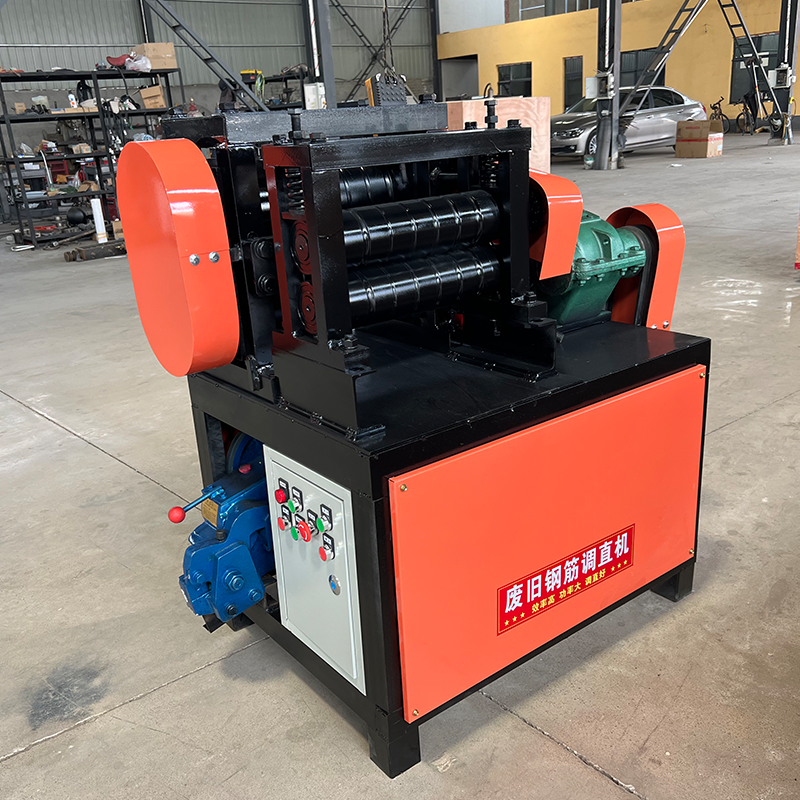
The choice between automatic and manual rebar straightening machines represents one of the most critical decisions in construction material processing and scrap metal operations. Whether you manage a construction site, recycling facility, or steel fabrication shop, understanding the differences between these two approaches directly impacts your productivity, labor costs, and output quality. A waste steel bar straightening machine can transform how you process bent or damaged rebar into usable material, but only if you select the right type for your operation's scale and requirements.
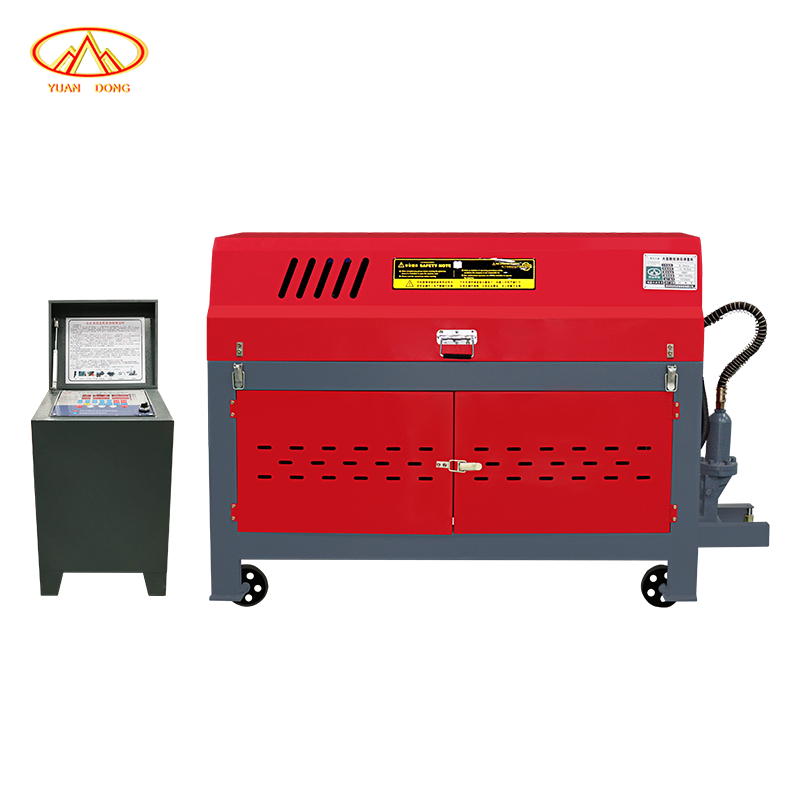
Automatic and manual systems each serve distinct operational contexts, and the right selection depends on your facility size, budget constraints, production volume, and workforce availability. Automatic rebar straightening and cutting machines offer speed and consistency, while manual approaches provide flexibility and lower capital investment. Understanding these trade-offs ensures you invest in equipment that actually solves your bottlenecks rather than adding unnecessary complexity to your workflow.
Understanding Automatic Rebar Straightening and Cutting Machines
How Automatic Systems Operate
Automatic rebar straightening and cutting machines use powered rollers, hydraulic pressure, and programmable controls to feed, straighten, and cut steel bars without operator intervention between cycles. Once you load a bundle of bent rebar or scrap steel, the machine automatically measures the bar length, straightens it through a series of precision rollers, and cuts it to specified dimensions. This hands-off operation means a single operator can manage multiple machines simultaneously, dramatically increasing throughput compared to labor-intensive manual approaches.
The automation also ensures consistency. Every bar exits with the same straightness tolerance and cut length, eliminating human variation that can cause rework or material waste. For high-volume operations processing thousands of bars daily, automatic rebar straightening and cutting machines reduce per-unit processing time from minutes to seconds, creating a measurable return on investment within months.
Advantages in High-Volume Settings
In construction material distribution, bridge fabrication, and large-scale scrap metal processing, automatic systems become cost-effective quickly. Steel bar bending and straightening equipment operating automatically minimizes labor per ton processed, allowing facilities to handle surges in demand without proportionally increasing headcount. Automatic machines also operate consistently during extended shifts, maintaining quality even when operator fatigue would degrade manual output.
Safety improves significantly with automation. Operators remain at a safe distance from moving parts and high-pressure zones, reducing pinch hazard injuries common with manual operations. The controlled, predictable nature of automatic cycles also allows easier integration of quality checkpoints and reject mechanisms for substandard material.
The Role and Limitations of Manual Steel Bar Bending and Straightening Equipment
When Manual Approaches Make Sense
Manual steel bar bending and straightening equipment remains relevant for small operations, custom projects, and facilities with intermittent workloads. A small fabrication shop handling occasional bent rebar may not justify a six-figure automatic investment. Manual machines allow operators to adjust straightening pressure, bend angles, and cutting lengths on the fly, making them ideal for non-standard material or prototype work where flexibility outweighs speed.
For recycling centers receiving mixed scrap metal batches of varying diameters and conditions, manual systems allow operators to visually inspect each bar, adjust technique based on material properties, and stop immediately if contamination or unsafe conditions appear. This real-time decision-making capability protects equipment from damage and prevents sending dangerous material downstream.
Cost and Space Considerations
Manual machines typically cost 60–70% less than comparable automatic systems, a significant factor for budget-constrained startups or facilities testing new service lines. They also occupy less floor space and require minimal electrical infrastructure, fitting easily into existing shops. Maintenance is simpler because fewer electronic components, sensors, and hydraulic systems mean fewer potential failure points and lower repair costs when problems occur.
However, manual equipment demands skilled, attentive operators. Productivity depends entirely on individual worker pace, experience, and physical capability. Scrap metal processing and straightening technology advances have made manual systems less attractive for volume processing, but they remain valuable in specialized, lower-throughput contexts where this labor intensity does not create financial strain.
Key Differences and Practical Decision Factors
Production Volume and Output Speed
The most visible difference between automatic and manual approaches is output speed. Automatic rebar straightening and cutting machines process 80–150 bars per hour depending on model and bar diameter, while experienced manual operators typically handle 15–30 bars hourly. For operations processing 10,000+ bars monthly, this speed gap translates directly to labor cost savings, additional capacity without new hires, and faster customer delivery times. Scrap metal processing and straightening technology that automates these cycles becomes cost-effective at surprisingly modest volumes.
A facility processing 2,000 bars monthly may see minimal labor savings from automatic equipment, since one part-time operator can handle manual output. A facility processing 20,000 bars monthly, however, requires 2–3 full-time manual operators to match what one automatic machine delivers with one operator monitoring multiple units. The crossover point for ROI typically occurs around 3,000–5,000 bars monthly, depending on local wage rates and equipment cost.
Material Flexibility and Quality Consistency
Automatic rebar straightening and cutting machines excel with standardized material batches. When processing thousands of identical-diameter bars to consistent cut lengths, automatic systems deliver superior repeatability and eliminate operator error. Steel bar bending and straightening equipment that runs programmed cycles produces batches where every piece meets specified tolerances reliably. This consistency becomes critical for construction projects where material variation causes downstream fabrication problems or safety concerns.
Manual equipment handles variability better. If a batch contains unexpected bar diameters, internal defects, or unusual bend patterns, operators adapt technique in real time. This flexibility protects against damage from forcing mismatched material through fixed automatic settings, but it requires skilled decision-making and slows processing. For consistent, high-volume material streams, automatic wins on quality; for mixed or unpredictable scrap, manual offers safer flexibility.
FAQ
At what production volume does automatic waste steel bar straightening equipment become cost-effective?
Most automatic rebar straightening and cutting machines achieve ROI when processing 3,000–5,000 bars monthly. Below this threshold, labor savings rarely justify the capital investment. Above 5,000 bars monthly, automatic systems typically pay for themselves within 18–36 months through reduced labor costs and increased throughput. Your specific calculation depends on equipment cost, operator wage rates in your region, and expected facility runtime hours annually.
Can automatic rebar straightening machines handle different bar diameters and materials?
Modern automatic rebar straightening and cutting machines accommodate diameter ranges through adjustable roller settings and programmable controls, but changeovers require setup time and operator intervention. Steel bar bending and straightening equipment designed for production-line environments assumes relatively uniform material within each run. If your scrap metal processing and straightening technology receives highly mixed batches daily, manual flexibility or hybrid approaches combining both systems work better than full automation.
What maintenance demands differ between automatic and manual machines?
Automatic rebar straightening and cutting machines require preventive maintenance on hydraulic systems, electrical controls, sensors, and drive motors, typically involving quarterly servicing and annual overhauls. Manual equipment maintenance focuses on bearing lubrication, bolt tightening, and occasional blade or roller replacement. Steel bar bending and straightening equipment operating manually generates lower maintenance costs but demands consistent operator vigilance to catch developing problems before catastrophic failure. Automatic systems offer predictable maintenance budgeting but require access to specialized technicians for complex repairs.