
 EN
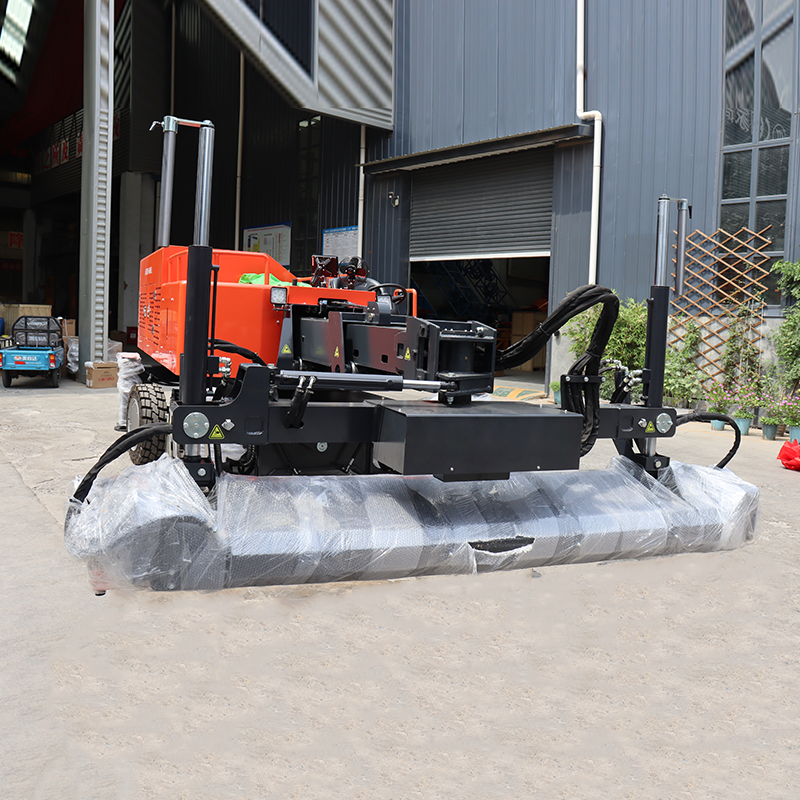
Modern construction demands precision, efficiency, and cost-effectiveness in every aspect of floor installation. A concrete laser screed has transformed how contractors approach floor construction by delivering superior accuracy and dramatic time savings. This advanced technology eliminates the guesswork from concrete finishing, ensuring perfectly level surfaces that meet strict industry standards while reducing labor costs and project timelines.
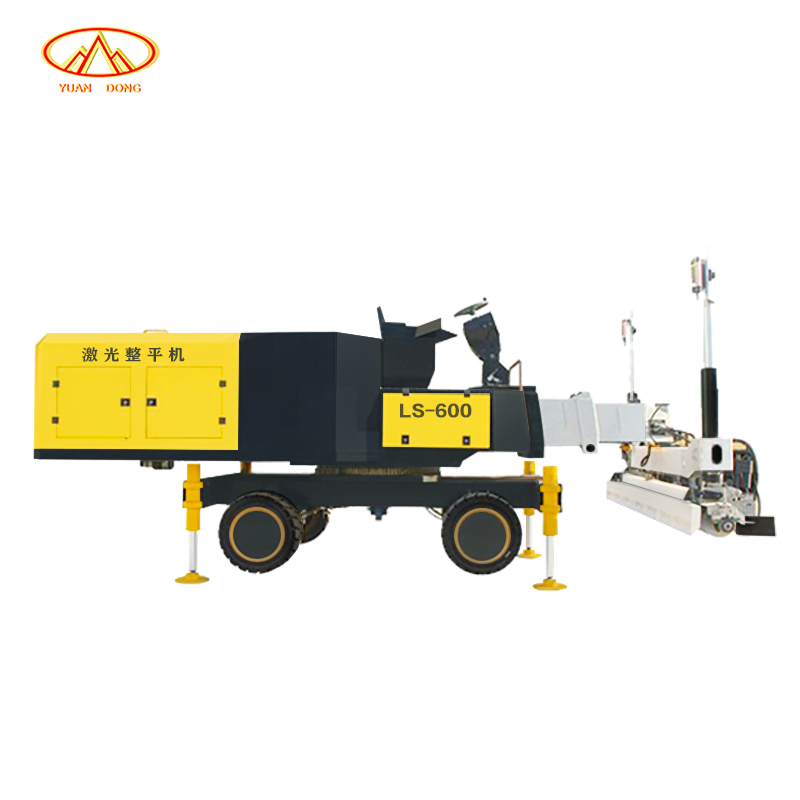
The construction industry has long struggled with concrete floor inconsistencies that lead to operational problems, safety hazards, and expensive corrections. Traditional screeding methods rely heavily on manual labor, experienced operators, and visual assessment, which inherently introduces variability. Automatic screed systems for concrete now provide a reliable alternative that guarantees flatness tolerances and eliminates human error from the equation, transforming project outcomes across warehouses, industrial facilities, commercial buildings, and infrastructure applications.
Superior Accuracy and Precision Benefits
Laser Screed Machine Accuracy Standards
Laser screed machine accuracy represents a fundamental shift in concrete finishing capabilities. Modern laser systems can maintain flatness tolerances within one-eighth inch over 10 feet, far exceeding what manual screeding can consistently achieve. This precision directly impacts how finished floors perform in service, whether supporting heavy machinery, accommodating automated guided vehicles, or meeting accessibility standards for commercial spaces. The laser screed technology uses real-time laser measurement and automated control systems to adjust screed height continuously as concrete placement progresses.
The concrete floor leveling technology embedded in these systems eliminates high spots and low spots that compromise functionality and aesthetics. Equipment operators no longer need decades of experience to produce predictable results; the automatic screed system manages the technical complexity automatically. This democratization of concrete finishing quality means contractors can reliably deliver premium surfaces regardless of crew experience levels or site conditions.
Tolerance Achievement and Consistency
Maintaining tight tolerances across large floor areas presents enormous challenges in traditional construction. Concrete laser screed machines deliver consistent results across expansive pours because the laser measurement system continuously references a predetermined grade line. Whether finishing a 50,000-square-foot warehouse floor or a precision industrial facility, the automatic screed systems for concrete maintain uniform flatness throughout. This consistency translates to reduced remedial work, faster progression to flooring installation, and improved tenant satisfaction in completed projects.
Efficiency Gains and Cost Reduction
Labor Productivity and Timeline Acceleration
Concrete laser screed technology dramatically accelerates project schedules by enabling faster concrete curing and immediate flooring installation readiness. Where traditional methods might require multiple passes, manual adjustments, and days of final finishing, automatic screed systems for concrete complete the job in a single pass with minimal additional work. Crews can move to subsequent trades much sooner, compressing critical path activities that typically delay project completion.
The labor efficiency improvements extend beyond faster finishing. Fewer workers are required to operate a laser screed machine compared to traditional screeding crews, reducing payroll costs substantially. A single operator can manage equipment that would previously require three to four skilled screeding workers. This productivity gain compounds across multiple projects, generating significant cost savings that improve profit margins for contractors specializing in concrete work.
Material Waste Reduction and Quality Control
Concrete floor leveling technology prevents the excessive concrete pumping and finishing required when surfaces don't meet flatness standards. Traditional methods often result in material waste as contractors add shims, grinding, or self-leveling overlays to correct poor initial flatness. Laser screed machine accuracy eliminates most of this rework, meaning less concrete consumption and reduced waste hauling costs. The automatic screed systems for concrete also minimize the concrete finishing additives and remedial products that inflate material budgets.
Quality consistency reduces change orders and punch list items that drain profitability and extend timelines. Building owners receive floors that meet specification requirements on the first attempt, eliminating expensive disputes over surface flatness and finish quality. This reliability creates stronger client relationships and generates repeat business from satisfied customers who appreciate predictable outcomes.
Application Versatility and Practical Advantages
Suitability for Complex Project Environments
Concrete laser screed systems excel across diverse concrete applications and challenging site conditions. Industrial facilities requiring pharmaceutical-grade flooring, food processing plants with strict sanitation standards, and data centers needing precision environmental control all benefit from the consistent flatness that laser screed technology delivers. Warehouses implementing automated inventory systems depend on laser-finished floors to ensure proper equipment operation and safety compliance.
The concrete floor leveling technology performs reliably in outdoor applications including parking structures, airport runways, and highway construction where weather exposure and high traffic loads demand exceptional durability and flatness. Underground facilities and enclosed spaces where traditional screeding methods struggle to maintain quality standards become manageable with automatic screed systems for concrete. The laser screed machine accuracy adapts to sloped applications, complex geometric layouts, and pour sequences that would overwhelm conventional finishing approaches.
Long-Term Asset Protection and Operational Benefits
Properly finished concrete floors with laser screed machine accuracy extend facility lifespan and reduce maintenance expenses over decades of service. Flat surfaces allow equipment to operate efficiently, reducing wear on bearings, wheels, and machinery. Forklift operations, equipment movement, and personnel comfort all improve when floors meet strict flatness tolerances. Building owners recognize these operational advantages and increasingly specify concrete laser screed technology as a standard requirement, knowing the investment pays dividends through reduced downtime and improved productivity.
The automatic screed systems for concrete also facilitate future modifications and technology upgrades. When facilities need equipment installations, system renovations, or layout changes, properly finished floors provide a reliable foundation. This flexibility protects facility value and supports long-term adaptability in changing business environments.
FAQ
How does a concrete laser screed machine improve floor accuracy compared to traditional methods?
A concrete laser screed machine uses real-time laser measurement to continuously reference a predetermined grade line, adjusting screed height automatically as concrete placement progresses. This automation eliminates human error inherent in traditional manual screeding, achieving and maintaining flatness tolerances within one-eighth inch over 10 feet consistently. The laser screed machine accuracy removes guesswork from concrete finishing, delivering precision that experienced operators would struggle to match manually across large floor areas.
What cost savings can contractors expect from automatic screed systems for concrete?
Automatic screed systems for concrete reduce labor requirements by allowing one operator to manage work that traditionally needed three to four skilled screeding workers. Material waste decreases significantly because the concrete floor leveling technology prevents costly rework and remedial finishing. Faster project completion compresses timelines, reducing overhead costs and allowing equipment to move to subsequent jobs sooner. Combined savings from reduced labor, materials, and accelerated schedules typically justify the equipment investment within a few projects.
Can concrete laser screed technology handle complex floor layouts and sloped applications?
Yes, modern laser screed machines accommodate complex geometric layouts, sloped applications, and pour sequences that would challenge traditional screeding methods. The concrete floor leveling technology adapts to varied site conditions, ensuring consistent flatness whether finishing parking structures, outdoor facilities, or indoor spaces with challenging geometry. This versatility makes automatic screed systems for concrete valuable across diverse construction applications from industrial facilities to infrastructure projects.