
 EN
EN
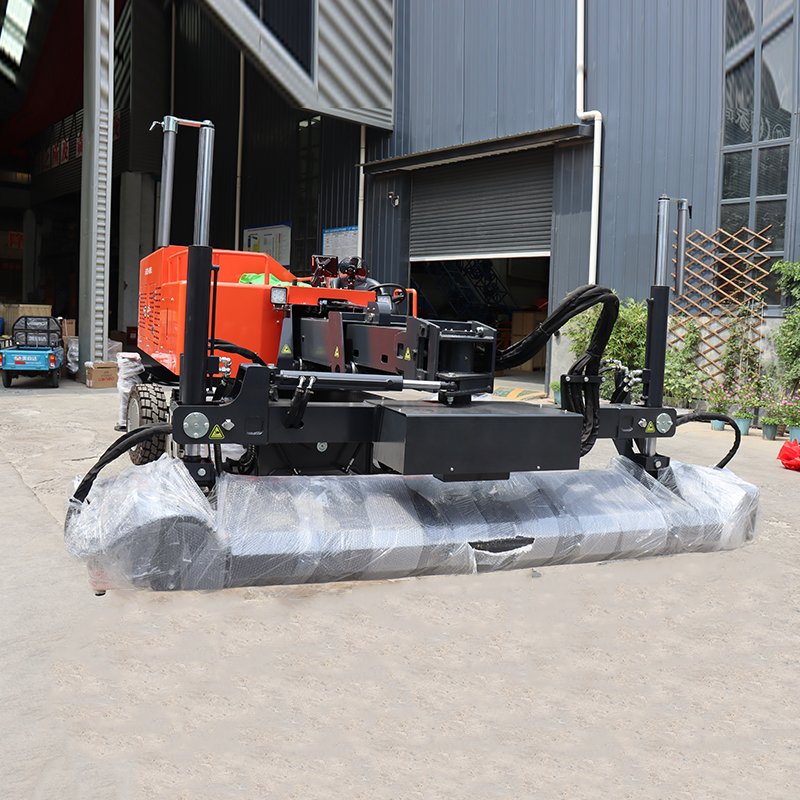
Müasir tikinti döşəmə quraşdırmasının hər bir tərəfində dəqiqlik, səmərəlilik və xərclərin azaldılması tələb edir. Bir beton lazer sızdırıcı beton lazer skridi müxtəlif müqaviləçilərin döşəmə tikintisinə yanaşmasını, yüksək dəqiqlik və əhəmiyyətli vaxt qənaəti təmin edərək, tamamilə dəyişdirib. Bu irəli texnologiya betonun son emalında təxminləri aradan qaldırır və sənaye standartlarına tam uyğun mükəmməl səviyyədə səthlər yaradır, eyni zamanda əmək haqqı xərclərini və layihə müddətlərini azaldır.
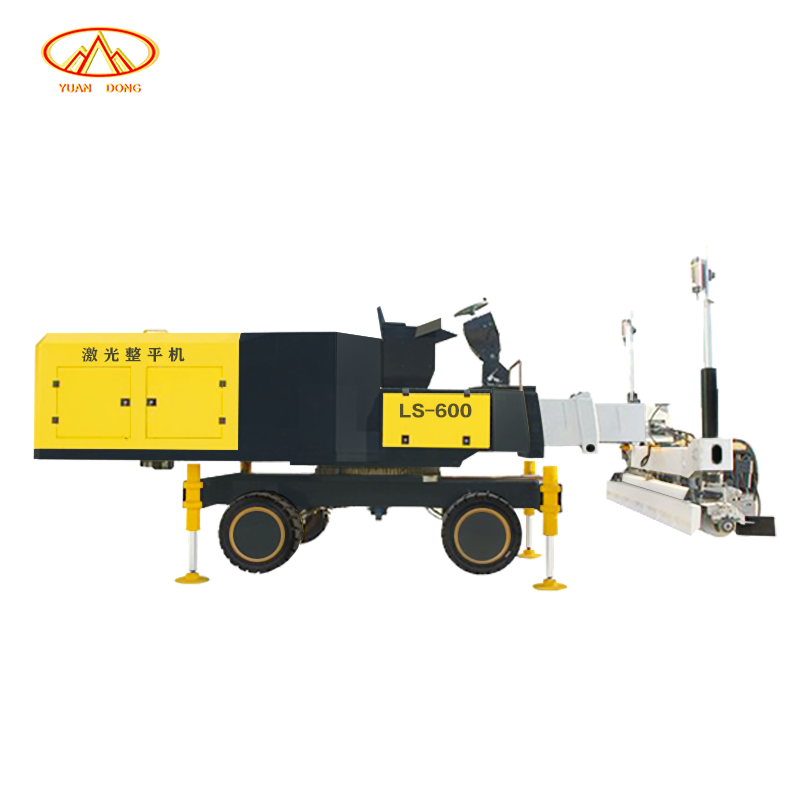
Tikinti sahəsi uzun müddət əməliyyat problemlərinə, təhlükəsizlik təhlükələrinə və bahalı düzəlişlərə səbəb olan beton döşəmə uyğunsuzluqları ilə mübarizə aparıb. Ənənəvi screed üsulları əsasən əllə işçilik, təcrübəli operatorlar və vizual qiymətləndirməyə əsaslanır ki, bu da dəyişkənliyi öz-özünə gətirir. İndi beton üçün avtomatik screed sistemləri insan xətalarını tənliyə daxil etmədən səth düzgünlüyü toleranslarını təmin edən, etibarlı alternativ həll yolu təqdim edir və anbarlar, sənaye obyektləri, ticarət binaları və infrastruktur tətbiqləri üzrə layihə nəticələrini dəyişdirir.
Yüksək Dəqiqlik və Dəqiqlik Üstünlükləri
Lazer Screed Maşınlarının Dəqiqlik Standartları
Lazer səth düzəldici maşınların dəqiqliyi betonun son emal imkanlarında əsaslı bir dəyişiklik təmsil edir. Müasir lazer sistemləri beton səthinin 10 fut (3 m) uzunluqda 1/8 düym (3,2 mm) müddətində müstəvi olmasına nail ola bilir; bu da əllə aparılan səth düzəldilməsinin davamlı olaraq əldə edə biləcəyi nəticələrdən çox daha yuxarıdadır. Bu dəqiqlik bitmiş döşəmələrin işləmə zamanı göstərdiyi performansa birbaşa təsir göstərir: ağır maşınları dəstəkləmək, avtomatlaşdırılmış idarə olunan nəqliyyat vasitələrini yerləşdirmək və ya ticari sahələrdə əlçatanlıq standartlarını təmin etmək üçün. Lazer səth düzəldici texnologiyası, betonun yerləşdirilməsi prosesində davamlı olaraq səth düzəldicinin hündürlüyünü tənzimləmək üçün real vaxt rejimində lazer ölçmələrindən və avtomatlaşdırılmış idarəetmə sistemlərindən istifadə edir.
Bu sistemlərə daxil edilmiş konkret döşəmə səviyyəsi düzəldilmə texnologiyası funksionallığı və estetikası pozan yüksək və alçaq nöqtələri aradan qaldırır. Avadanlıq operatorları artıq proqnozlaşdırıla bilən nəticələr əldə etmək üçün on illər ərzində yığılmış təcrübəyə ehtiyac duymur; avtomatik səth düzəldici sistem texniki mürəkkəbliyi avtomatik olaraq idarə edir. Bu, konkret bitirmə keyfiyyətinin demokratlaşdırılması deməkdir və müqaviləçilər heyətinin təcrübə səviyyəsindən və sahə şəraitindən asılı olmayaraq yüksək keyfiyyətli səthlər təmin edə bilərlər.
Toleransın əldə edilməsi və sabitlik
Böyük səth sahələrində dəqiq ölçüləri saxlamaq ənənəvi tikintidə böyük çətinliklər yaradır. Beton lazırxətli tərməzləşdirmə maşınları lazır ölçü sistemindən istifadə edərək, əvvəlcədən müəyyən edilmiş səviyyə xəttinə davamlı istinad etdiyinə görə geniş beton tökmələrində eyni nəticəni verir. 50 000 kvadrat futlu anbar mərtəbəsini yoxsa dəqiq sənaye obyektini bitirərkən avtomatik beton tərməzləşdirmə sistemləri bütün sahədə bərabər düzgünlüyü təmin edir. Bu sabitlik tamamlanmış layihələrdə düzəltmə işlərinin azalmasına, döşəmə quraşdırılmasına keçidin sürətlənməsinə və icarəçilərin razılığının artırılmasına gətirib çıxarır.
Səmərəliliyin Artması və Xərclərin Azalması
Əmək Məhsuldarlığı və Vaxt Cədvəlinin Sürətlənməsi
Betonun lazerle səviyyələndirilməsi texnologiyası, betonun daha sürətli sərtləşməsini və döşəmə quraşdırılmasının dərhal başlamasını təmin edərək layihə cədvəllərini əhəmiyyətli dərəcədə sürətləndirir. Ənənəvi üsullar çoxsaylı keçidlər, əl ilə düzəlişlər və son bitirmə üçün günlər tələb edə bilər, lakin avtomatik beton səviyyələndirilmə sistemləri işi yalnız bir keçiddə, minimal əlavə işlə tamamlayır. Komandalar növbəti sahələrə çox daha tez keçə bilər və bu da layihənin tamamlanmasını adətən geciktirən kritik yol fəaliyyətlərini sıxır.
Əmək səmərəliliyindəki yaxşılaşmalar yalnız bitirmə prosesinin sürətlənməsi ilə məhdudlaşmır. Lazer səviyyələndirici maşınları idarə etmək üçün ənənəvi səviyyələndirici komandalarına nisbətən daha az işçi tələb olunur; bu da əmək haqqı xərclərini əhəmiyyətli dərəcədə azaldır. Bir operator, əvvəllər üç-dörd bacarıqlı səviyyələndirici işçisinin tələb olunduğu avadanlığı idarə edə bilər. Bu məhsuldarlıq artımı bir neçə layihə üzrə toplanaraq, beton işləri ilə məşğul olan müəssisələrin mənfəət marjlarını yaxşılaşdıran əhəmiyyətli xərc qənaətləri yaradır.
Material tullantısının azaldılması və keyfiyyət nəzarəti
Betonun səthi düzgünlük standartlarına uyğun gəlmədikdə artıq beton pompalama və bitirmə tələb edən beton zəminin səviyyələşdirilməsi texnologiyası. Ənənəvi üsullar tez-tez müqaviləçilərin ilk dəfə düzgünlüyün aşağı olması səbəbilə düzəldici qatlar, sürtmə və ya öz-özünə səviyyələşdirən örtüklər əlavə etməsinə səbəb olur ki, bu da material tullantısına gətirib çıxarır. Lazerli beton yayma maşınlarının dəqiqliyi bu təkrar işlərin əksəriyyətini aradan qaldırır; nəticədə daha az beton istifadə olunur və tullantı daşınması xərcləri azalır. Beton üçün avtomatik yayma sistemləri həmçinin material büdcələrini artıracaq beton bitirmə əlavələrini və düzəldici məhsulları minimuma endirir.
Keyfiyyetin sabitliyi, mənfəəti azaldan və layihə müddətlərini uzadan dəyişiklik sifarişlərini və çatışmazlıq siyahıları elementlərini azaldır. Tikinti sahibləri, səth düzgünlüyü və bitirici keyfiyyəti ilə bağlı bahalı mübahisələrin qarşısını alan, birinci cəhdə spesifikasiya tələblərini ödəyən döşəmələr alırlar. Bu etibarlılıq, daha güclü müştəri əlaqələri yaradır və proqnozlaşdırıla bilən nəticələrə qiymət verən razı müştərilərdən təkrar işlər yaradır.
Tətbiq Çeşidliliyi və Praktiki Üstünlüklər
Mürəkkəb Layihə Mühitlərinə Uyğunluq
Beton lazer tarama sistemləri müxtəlif beton tətbiqlərində və çətin sahə şəraitində üstün nəticələr göstərir. Dərman səviyyəli döşəmələr tələb edən sənaye obyektləri, qatı sanitariya standartlarına əməl etməli olan qida emalı zavodları və dəqiq mühit idarəetməsi tələb edən məlumat mərkəzləri hamısı lazer tarama texnologiyasının təmin etdiyi sabit səth düzgünlüyündən faydalanır. Avtomatlaşdırılmış inventar sistemi tətbiq edən anbarlar isə avadanlıqların düzgün işləməsini və təhlükəsizlik tələblərinə uyğunluğu təmin etmək üçün lazerlə bitirilmiş döşəmələrə güvənir.
Beton döşəməni səviyyələşdirmə texnologiyası, hava təsirinə məruz qalma və yüksək nəqliyyat yükü tələb edən xarici tətbiqlərdə — o cümlədən avtomobil dayanacaqları, hava limanı uçuş meydançaları və avtomagistral tikintilərində — istisnai davamlılıq və hamarlıq təmin edərək etibarlı şəkildə işləyir. Ənənəvi süzgəc metodu ilə keyfiyyət standartlarını saxlamaq çətin olan yeraltı obyektlər və qapalı sahələr avtomatik beton süzgəc sistemləri ilə idarə oluna bilər. Lazer süzgəc maşınlarının dəqiqliyi meylli səthlərə, mürəkkəb həndəsi planlaşdırmalara və ənənəvi bitirmə üsullarını aşırı yükləyən tökmə ardıcıllıqlarına uyğunlaşa bilir.
Uzunmüddətli aktivlərin qorunması və operativ üstünlüklər
Lazer səviyyələndirici maşın dəqiqliyi ilə düzgün bitirilmiş beton mərtəbələr binanın ömrünü uzadır və on illər ərzində istismar xərclərini azaldır. Düz səthlər avadanlığın səmərəli işləməsinə imkan verir və yataqlar, təkərlər və maşınlar üzərində aşınmanı azaldır. Mərtəbələrin qatı səviyyələndirmə toleranslarına uyğun olması forklift əməliyyatlarını, avadanlıqların daşınmasını və personalın rahatlığını yaxşılaşdırır. Bina sahibləri bu operativ üstünlükləri tanıyır və investisiyanın dayanıqlı nəticələr verdiyini bilərək, texnoloji yenilənmələr və məhsuldarlığın artırılması üçün dayanıqlı dayanma müddətlərinin azalması ilə birlikdə beton lazer səviyyələndirici texnologiyasını standart tələb kimi göstərməyə daha çox başlayırlar.
Betona avtomatik səviyyələndirici sistemlər həmçinin gələcəkdə aparılacaq dəyişikliklər və texnoloji yenilənmələri asanlaşdırır. Təchizatın quraşdırılması, sistemlərin yenilənməsi və planın dəyişdirilməsi zamanı düzgün bitirilmiş mərtəbələr etibarlı bir əsas təmin edir. Bu çeviklik bina dəyərini qoruyur və dəyişən biznes mühitində uzunmüddətli uyğunlaşma qabiliyyətini dəstəkləyir.
Tez-tez verilən suallar
Beton lazer tarama maşını, ənənəvi üsullara nisbətən səth dəqiqliyini necə artırır?
Beton lazer tarama maşını, beton yerləşdirilməsi davam etdikcə tarama yüksəkliyini avtomatik olaraq düzəldən, əvvəlcədən müəyyən edilmiş səviyyə xəttinə davamlı olaraq istinad edən real vaxtlı lazer ölçməsindən istifadə edir. Bu avtomatlaşdırma, ənənəvi əl ilə taramada mövcud olan insan xətalarını aradan qaldırır və səth düzgünlüyü toleranslarını 10 fut (3 m) üzərində sabit şəkildə 1/8 düym (3,2 mm) daxilində saxlayır. Lazer tarama maşınının dəqiqliyi beton bitirmə işlərindən gələn təxminləri ləğv edir və təcrübəli operatorların böyük səth sahələrində əl ilə əldə etməsinin çətin olduğu dəqiqlik səviyyəsini təmin edir.
Müqaviləçilər beton üçün avtomatik tarama sistemlərindən hansı xərc qənaətləri gözləyə bilərlər?
Beton üçün avtomatik skrid sistemləri, ən azı üç-dörd bacarıqlı skrid işçisinin yerinə yalnız bir operatorun işləməsinə imkan verərək əmək tələbatını azaldır. Beton döşəməni səviyyələşdirmə texnologiyası səbəbiylə material itki siqnal olaraq azalır, çünki bu texnologiya bahalı təkrar işləmə və düzəldici bitirilməni qarşısını alır. Layihənin daha sürətli tamamlanması terminləri qısaltır, ümumi xərcləri azaldır və avadanlığın növbəti layihələrə daha tez keçməsinə imkan verir. Azalmış əmək, material və sürətləndirilmiş cədvəllərdən yaranan ümumi qənaətlər adətən avadanlıq investisiyasını bir neçə layihə daxilində əmsal edir.
Beton lazı skrid texnologiyası mürəkkəb döşəmə planlarını və meylli tətbiqləri idarə edə bilərmi?
Bəli, müasir lazer səviyyələndirmə maşınları mürəkkəb həndəsi layautlar, meylli tətbiqlər və ənənəvi səviyyələndirmə üsullarını çətinliklə həyata keçirəcək tökmə ardıcıllıqlarına uyğunlaşa bilir. Beton döşəməni səviyyələndirmə texnologiyası müxtəlif sahə şəraitinə uyğunlaşır və parkinq qurğularının, açıq sahələrin və mürəkkəb həndəsiyə malik iç mekanların bitirilməsində eyni səviyyədə hamarlıq təmin edir. Bu çox yönlülük avtomatik beton səviyyələndirmə sistemlərini sənaye obyektlərindən infrastruktur layihələrinə qədər müxtəlif tikinti tətbiqlərində dəyərli edir.