
 EN
EN
Large-scale concrete floor projects demand precision, efficiency, and reliable results that traditional screeding methods struggle to deliver consistently. A concrete laser screed represents a transformative advancement in concrete floor leveling technology, enabling contractors and facility managers to achieve flawlessly flat surfaces while significantly reducing labor intensity and project timelines on warehouses, distribution centers, industrial facilities, and commercial spaces.
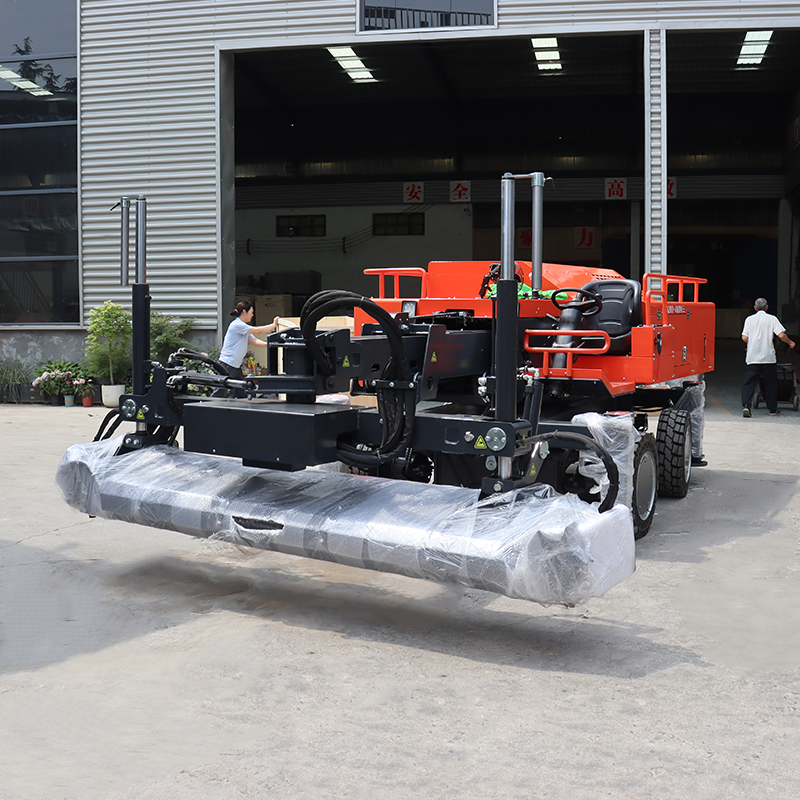
The advantages of adopting self-propelled screed systems extend far beyond surface aesthetics. Modern laser screed machine rental options make this technology accessible to businesses of all sizes, eliminating the need for substantial capital investment while ensuring access to cutting-edge equipment. Understanding how concrete floor leveling technology delivers tangible operational, financial, and safety benefits is essential for informed decision-making in today's demanding construction environment.
Precision and Flatness Excellence
Achieving Superior Surface Quality
Traditional screeding relies heavily on operator skill and manual techniques, introducing variability that compromises flatness specifications. Self-propelled screed systems utilize laser-guided positioning to maintain consistent elevation across the entire floor surface, achieving flatness tolerances that meet or exceed industry standards. This precision is particularly critical in warehouses where automated material handling systems operate on narrow tolerances, pharmaceutical facilities requiring cleanroom compliance, and data centers where equipment placement demands exact specifications.
Concrete floor leveling technology eliminates high spots and depressions that cause equipment vibration, accelerate wear on machinery, and create safety hazards. The laser screed machine rental approach ensures every project benefits from the latest precision capabilities without requiring operators to master complex manual techniques that traditionally demanded years of experience and still resulted in inconsistent outcomes.
Meeting Industry Standards Consistently
Regulatory requirements and performance specifications increasingly demand flatness measurements compliant with ASTM F1155 or equivalent standards. A concrete laser screed system maintains laser-guided accuracy throughout the entire screeding process, documenting flatness achievement through automated measurement systems integrated into modern equipment. This consistency eliminates costly rework, reduces warranty disputes, and provides verifiable compliance documentation that satisfies building inspectors and facility owners.
Labor Efficiency and Cost Reduction
Minimizing Manual Labor Requirements
Traditional concrete screeding demands multiple skilled workers coordinating manual efforts across extended project timelines. Self-propelled screed systems dramatically reduce the labor team size required, as automated propulsion and laser guidance handle the primary screeding workload that traditionally required continuous manual effort. A two-person operating team can now manage floor areas that previously demanded five to eight workers, translating directly to substantial payroll savings and reduced project duration.
The laser screed machine rental model further optimizes labor economics by providing equipment calibrated and maintained to peak operational standards. Operators require minimal training to achieve optimal results, compared to months of skill development for traditional screed teams. This capability proves invaluable when assembling project teams quickly or managing fluctuating labor availability in competitive markets.
Accelerating Project Schedules
Faster floor completion translates to earlier facility occupancy, sooner revenue generation, and reduced overhead costs associated with extended project timelines. Concrete floor leveling technology enables continuous screeding without the frequent breaks and repositioning adjustments required by manual methods. Large industrial floors that traditionally required two to three weeks of screeding now complete in five to seven days, compressing overall project schedules and reducing financing costs for developers and contractors.
Safety and Operational Advantages
Reducing Physical Strain and Injury Risk
Manual concrete screeding exposes workers to repetitive strain injuries, musculoskeletal disorders, and chronic pain conditions that reduce workforce productivity and increase workers' compensation claims. Self-propelled screed systems eliminate this demanding physical labor, significantly improving workplace safety metrics. Operators maintain comfortable positions throughout extended shifts rather than bending, lifting, and pushing heavy screed beams across potentially irregular surfaces, which directly reduces injury frequency and associated healthcare costs.
Insurance providers increasingly recognize the safety benefits of automated concrete floor leveling technology, often offering premium reductions for contractors demonstrating commitment to worker safety through equipment investments. These insurance savings contribute meaningfully to project profitability margins beyond direct labor reductions.
Improving Environmental Performance
Modern laser screed machine rental equipment incorporates efficient fuel consumption and emissions reduction technologies that align with environmental regulations and corporate sustainability objectives. The reduced project timeline minimizes site disruption and associated environmental impacts. Additionally, the precision of self-propelled screed systems minimizes concrete waste by eliminating rework and material removal associated with uneven surfaces, supporting both environmental and financial performance simultaneously.
Practical Implementation Considerations
Evaluating Rental versus Ownership
Laser screed machine rental provides flexible access to equipment without substantial capital outlay, making this technology economically attractive for contractors executing intermittent large-floor projects. Ownership makes sense for contractors managing consistent pipeline of large-floor work that justifies equipment acquisition costs. Most contractors find rental advantageous because maintenance responsibilities transfer to equipment providers, eliminating unexpected repair expenses and ensuring optimal equipment performance throughout project execution.
Site Preparation and Operational Requirements
Concrete floor leveling technology requires adequate space for equipment maneuvering and proper concrete delivery logistics. The concrete mix design must accommodate the specific requirements of self-propelled screed systems, which often prefer slightly lower slump values than traditional methods. Proper subgrade preparation, adequate concrete delivery timing, and experienced support team coordination remain essential for successful implementation regardless of equipment sophistication.
FAQ
What is the primary difference between laser screed technology and traditional screeding?
Laser screed technology utilizes laser-guided positioning and automated propulsion to maintain precise elevation throughout the screeding process, whereas traditional methods rely on manual operator positioning and physical effort. This fundamental difference enables consistent flatness achievement, faster project completion, dramatically reduced labor requirements, and improved worker safety across large concrete floors.
Is laser screed machine rental cost-effective for smaller projects?
Laser screed machine rental economics become attractive on projects exceeding approximately 10,000 square feet where the speed and labor savings justify rental costs. For smaller floors, traditional screeding may remain more economical. However, when flatness specifications require precision exceeding manual capability or when labor availability is constrained, rental investment delivers compelling value regardless of project size.
What concrete mix characteristics work best with self-propelled screed systems?
Self-propelled screed systems typically perform optimally with concrete slump values between three and four inches, which provides workability for proper consolidation while maintaining sufficient stiffness for laser-guided elevation control. Consult equipment manufacturers for specific requirements, as different systems may have varying recommendations based on their particular propulsion and guidance mechanisms.