
 EN
EN
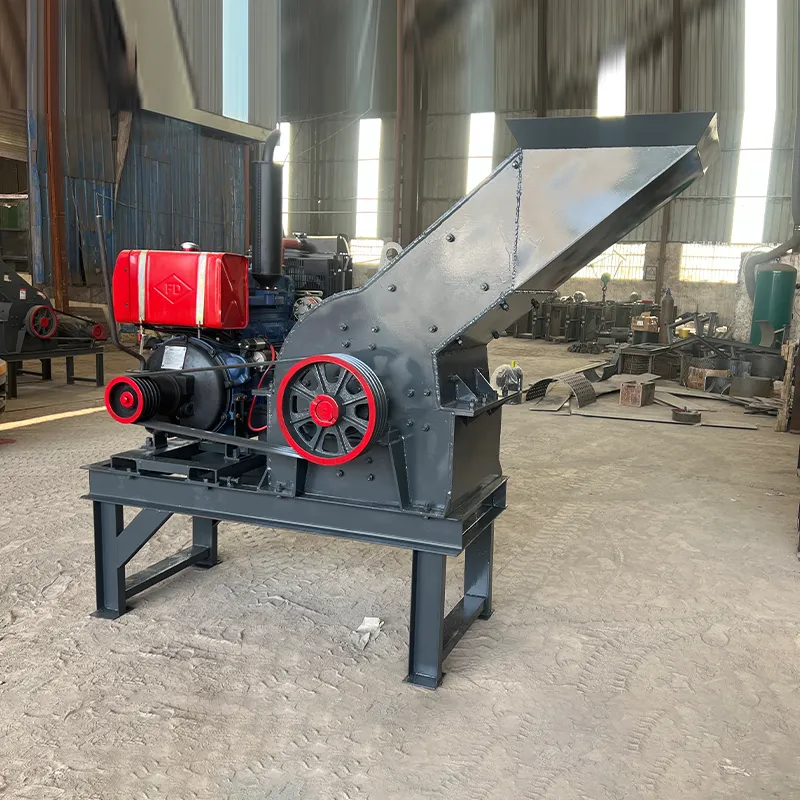
Hammer crushers are critical components in aggregate processing and material handling systems, particularly in operations involving ready mix concrete delivery and concrete mixer truck rental services. Understanding the wear patterns and replacement strategies for hammer crusher components directly impacts operational efficiency, equipment longevity, and cost management. Whether you operate a single concrete mixer truck or manage a fleet, knowing which parts wear fastest and how to replace them properly ensures your equipment stays productive and minimizes unexpected downtime.
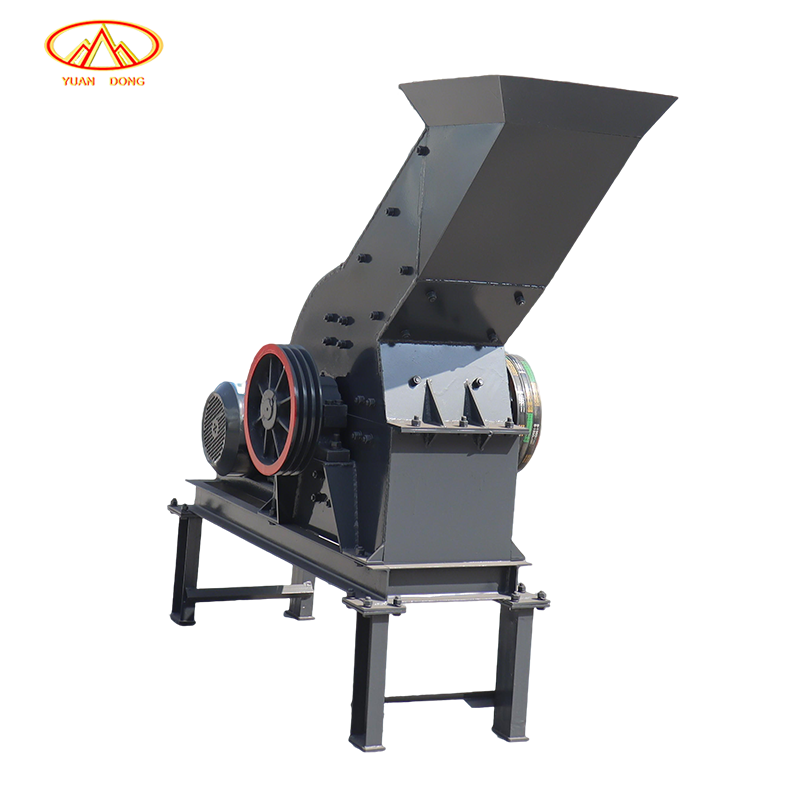
Maintenance and timely part replacement are essential for any operation relying on concrete mixer truck specifications and performance standards. The internal components of hammer crushers experience constant abrasive stress from material impact, rotation, and friction. Recognizing early wear signs and executing planned replacements prevents catastrophic failures and maintains consistent output quality. This guide explores the most commonly replaced parts, the factors that accelerate wear, and practical strategies for efficient replacement to keep your crushing operations running smoothly.
Identifying Key Hammer Crusher Wear Components
Hammer Impact Elements and Rotor Structures
The hammers themselves represent the first line of wear in any crusher system. These hardened steel components strike material repeatedly at high velocity, gradually losing mass and edge sharpness. Over time, hammers develop irregular surfaces, reduce crushing efficiency, and eventually crack or shatter. The rotor assembly that holds these hammers also experiences wear from repeated stress and vibration. When evaluating concrete mixer truck specifications for heavy-duty applications, understanding hammer durability becomes crucial. Replacement intervals typically depend on material hardness, feed size, and operational hours.
Liners and Impact Surfaces
Crusher liners form the stationary impact surfaces where material collides as hammers propel it forward. These surfaces absorb enormous energy and wear uniformly over time, eventually requiring replacement to maintain consistent crushing performance. Side liners, grate bars, and discharge liners all contribute to the crushing chamber geometry and efficiency. When ready mix concrete delivery operations demand consistent particle sizing, worn liners degrade material quality and processing speed. Regular inspection of liner thickness and surface integrity helps predict replacement timing before performance degradation becomes noticeable.
Understanding Material-Driven Wear Patterns
Abrasive Material Impact on Wear Rates
Different materials impose vastly different stress on hammer crusher components. Hard, abrasive aggregates accelerate wear significantly compared to softer materials. Limestone and sand create moderate wear, while granite, basalt, and recycled concrete generate intense abrasion. Ready mix concrete delivery services that handle diverse aggregate sources must account for varying wear rates. Operators tracking concrete mixer truck rental periods need realistic maintenance budgets based on actual material composition. Silica content, moisture levels, and contamination with foreign objects all amplify wear progression and shorten component life.
Operational Factors Affecting Wear Duration
Feed rate, crusher speed, and ambient temperature all influence how quickly components deteriorate. Overloading a crusher accelerates wear by forcing harder impacts and generating excessive heat within the chamber. Inconsistent feed creates shock loads that stress fasteners and structural elements beyond design limits. Environmental factors including temperature fluctuations, humidity, and dust ingestion affect seal integrity and bearing performance. Concrete mixer truck specifications sometimes dictate usage patterns that directly impact crusher component lifespan. Proper maintenance scheduling based on actual operating conditions yields more accurate replacement predictions than generic time-based intervals.
Practical Replacement Strategies and Best Practices
Planning Replacement Operations
Effective replacement programs begin with establishing baseline wear rates for your specific operating conditions. Measure component thickness quarterly and track deterioration trends to forecast replacement needs. Ready mix concrete delivery operations benefit from planning major maintenance during seasonal low-demand periods. Concrete mixer truck rental companies should coordinate fleet maintenance to minimize simultaneous downtime across multiple units. Keeping detailed maintenance logs creates predictive data that improves scheduling accuracy and reduces emergency repairs.
Execution and Quality Assurance
When replacing hammer crusher wear parts, source components from reputable suppliers providing genuine materials that match original specifications. Incorrect hammer angles, liner thicknesses, or material grades compromise crushing efficiency and create premature secondary wear. Use precise measurement tools to verify dimensions and alignment before and after installation. The concrete mixer truck specifications in your fleet guide replacement part compatibility and installation procedures. Properly torqued fasteners prevent component loosening and subsequent misalignment that accelerates wear in adjacent parts. After replacement, run the crusher at reduced load for an initial break-in period before resuming full operational speed.
Documentation of all replacement activities supports warranty claims and helps establish patterns for future maintenance decisions. Train operators to recognize early warning signs such as unusual sounds, vibration patterns, or output quality changes that indicate imminent failures. Regular inspection protocols catch developing issues before they cascade into costly multi-component failures or operational stoppage.
FAQ
How often should hammer crusher wear parts typically be replaced?
Replacement frequency depends on material type, feed rate, and crusher specifications. Hard aggregates like granite may require hammer replacement every 200 to 400 operational hours, while softer materials might last 800 to 1200 hours. Concrete mixer truck rental providers should establish baseline intervals specific to their material mix and then adjust based on observed wear patterns. Most operations benefit from quarterly inspections to track deterioration rates accurately.
What are warning signs that hammer crusher components need replacement?
Common indicators include reduced crushing efficiency, increased vibration, unusual grinding or rattling sounds, and visible cracks or spalling on hammer surfaces. Output particle size becoming inconsistent or larger than specification suggests liner wear or hammer dulling. Heat generation increasing within the crusher chamber often precedes component failure. Ready mix concrete delivery operations notice quality issues before component failure becomes obvious, making material monitoring an effective early warning system.
Can worn hammer crusher parts be repaired rather than replaced?
Minor surface irregularities on hammers can sometimes be restored through professional grinding services, extending component life. However, cracked, severely eroded, or dimensionally undersized parts require full replacement rather than repair. Concrete mixer truck specifications typically require replacement-grade components for safety and performance consistency. Attempting to repair beyond minor conditioning risks safety hazards, performance degradation, and warranty complications that make full replacement more economical overall.