
 EN
EN
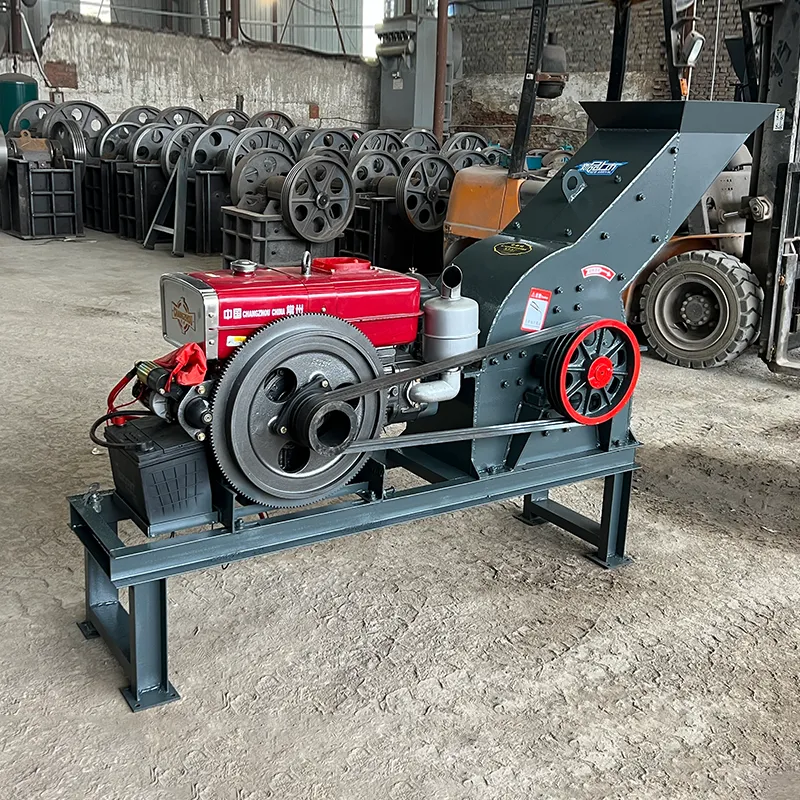
Operating a hammer crusher safely and efficiently requires comprehensive understanding of both safety protocols and preventive maintenance practices. These robust machines are designed to handle tough materials, but their powerful crushing action and high-speed rotating components demand strict adherence to safety guidelines and regular maintenance schedules to prevent accidents, equipment failures, and costly downtime.
Implementing proper safety measures and maintenance routines for your hammer crusher operation protects personnel, extends equipment lifespan, and ensures consistent production quality. From pre-operational inspections to scheduled component replacements, every aspect of hammer crusher care contributes to safer working conditions and optimal performance throughout the equipment's service life.
Essential Pre-Operation Safety Checks
Comprehensive Visual Inspection Protocol
Before starting any hammer crusher operation, conduct a thorough visual inspection of all accessible components. Examine the housing for cracks, loose bolts, or signs of excessive wear that could compromise structural integrity. Check the feed hopper and discharge chute for foreign objects, debris buildup, or damage that might affect material flow or create safety hazards during operation.
Inspect all safety guards, access panels, and protective covers to ensure they are properly secured and undamaged. These safety features are critical for preventing accidental contact with moving parts and containing material during the crushing process. Any damaged or missing guards must be repaired or replaced before operating the hammer crusher.
Verify that all warning labels, safety signs, and operational instructions are clearly visible and legible. These visual cues provide essential safety information for operators and maintenance personnel, especially during shift changes or when new personnel are working with the equipment.
Power System and Control Verification
Test all emergency stop mechanisms, including push-button stops, pull-cord switches, and safety interlock systems. These critical safety devices must function properly to immediately halt hammer crusher operation in emergency situations. Document the functionality of each safety control during pre-operation checks.
Verify electrical connections are secure and properly insulated, with no exposed wiring or loose connections that could create electrical hazards. Check that all electrical panels are properly closed and locked, preventing unauthorized access to live electrical components during hammer crusher operation.
Confirm that the main power disconnect is easily accessible and clearly marked. Operators must know the exact location of power isolation controls to quickly de-energize the hammer crusher system during maintenance or emergency situations.
Critical Operating Safety Procedures
Personal Protective Equipment Requirements
All personnel working near hammer crusher operations must wear appropriate personal protective equipment including safety glasses, hearing protection, steel-toed boots, and hard hats. The high-impact crushing action generates significant noise levels and potential projectile hazards that require comprehensive protection.
Loose clothing, jewelry, and long hair must be secured or covered to prevent entanglement with moving components. The rotating hammer assembly operates at high speeds and can cause severe injury if clothing or body parts come into contact with moving elements of the hammer crusher.
Respiratory protection may be necessary when processing dusty materials or working in enclosed areas where dust levels exceed safe exposure limits. Evaluate the specific material being processed and work environment to determine appropriate respiratory protection requirements for hammer crusher operations.
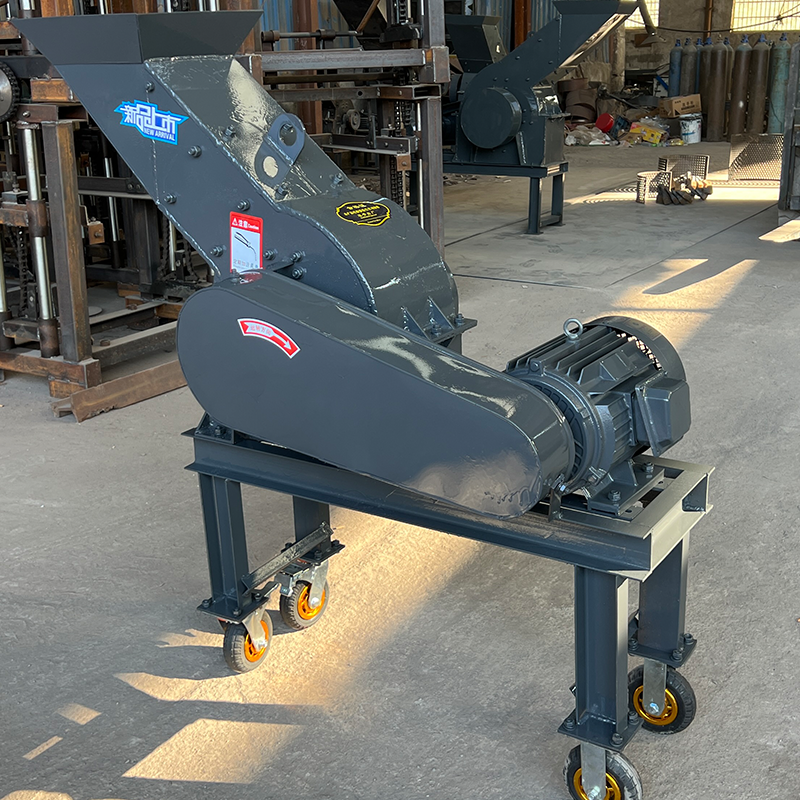
Safe Material Feeding Practices
Feed material into the hammer crusher at controlled rates to prevent overloading and maintain stable operation. Excessive feed rates can cause equipment damage, uneven wear patterns, and potentially dangerous operating conditions including jamming or uncontrolled material discharge.
Remove all foreign objects such as metal pieces, tools, or non-crushable materials before feeding into the hammer crusher. These contaminants can cause severe damage to hammers, screens, and internal components while creating dangerous projectile hazards.
Never attempt to push, pull, or guide material into the feed opening by hand or with tools while the hammer crusher is operating. Use proper feeding equipment and maintain safe distances from all openings during operation to prevent contact with moving components.
Preventive Maintenance Scheduling
Daily Maintenance Tasks
Perform daily lubrication checks on all grease fittings and oil reservoirs according to manufacturer specifications. Proper lubrication reduces friction, prevents premature wear, and ensures smooth operation of bearings, drive components, and other moving parts in the hammer crusher system.
Monitor operating temperatures of bearings, motors, and drive components throughout each shift. Excessive temperatures indicate potential lubrication problems, misalignment, or component wear that requires immediate attention to prevent catastrophic failure of the hammer crusher.
Clean accumulation of dust and debris from cooling fans, air intakes, and heat exchangers to maintain proper operating temperatures. Restricted airflow can cause overheating and premature component failure in hammer crusher drive systems and electrical controls.
Weekly Inspection and Maintenance
Inspect hammer wear patterns and measure remaining hammer thickness to determine replacement needs. Worn hammers reduce crushing efficiency and can cause unbalanced operation that leads to excessive vibration and potential damage to the hammer crusher frame and bearings.
Check screen condition and clean or replace damaged screens that affect product quality or restrict material flow. Damaged screens can allow oversized material to pass through, reducing product quality and potentially damaging downstream equipment in the hammer crusher circuit.
Verify belt tension and alignment on all drive systems to prevent slippage and premature wear. Improperly tensioned belts reduce power transmission efficiency and can cause unexpected belt failure during hammer crusher operation.
Component-Specific Maintenance Requirements
Hammer Replacement and Balancing
Replace hammers when wear reaches manufacturer-specified limits or when significant weight differences develop between individual hammers. Unbalanced hammer assemblies create excessive vibration that can damage bearings, crack housing components, and create unsafe operating conditions in the hammer crusher.
Maintain detailed records of hammer replacement schedules and wear patterns to optimize replacement intervals and identify potential problems with feed material characteristics or operating parameters. This data helps predict maintenance needs and prevent unexpected failures in hammer crusher operations.
Use only manufacturer-approved replacement hammers that meet specified weight, hardness, and dimensional requirements. Substituting incorrect hammer types can severely impact hammer crusher performance and create safety hazards through unbalanced operation or premature failure.
Bearing Maintenance and Monitoring
Establish regular bearing inspection schedules using vibration analysis, temperature monitoring, and visual examination techniques. Early detection of bearing problems prevents catastrophic failures that can cause extensive damage to the hammer crusher and create dangerous operating conditions.
Replace bearing lubrication according to manufacturer recommendations, considering operating hours, environmental conditions, and material characteristics. Contaminated or degraded lubricants accelerate bearing wear and increase the risk of unexpected failure during hammer crusher operation.
Monitor bearing clearances and alignment during scheduled maintenance intervals to detect wear progression and prevent secondary damage to related components. Proper bearing maintenance extends hammer crusher service life and maintains safe operating parameters.
Emergency Response and Troubleshooting
Emergency Shutdown Procedures
Train all operators on proper emergency shutdown procedures for immediate response to dangerous conditions such as excessive vibration, unusual noises, or equipment malfunctions. Quick response to abnormal conditions prevents equipment damage and protects personnel safety during hammer crusher emergencies.
Establish clear communication protocols for reporting equipment problems and coordinating maintenance response. Effective communication ensures that safety concerns are promptly addressed and that appropriate personnel are notified of hammer crusher status changes.
Develop written procedures for lockout/tagout protocols during maintenance activities to prevent accidental startup of the hammer crusher while personnel are working on or near the equipment. These procedures are essential for maintaining safe working conditions during maintenance and repair activities.
Common Problem Identification
Recognize symptoms of common hammer crusher problems including excessive vibration, unusual noises, decreased production rates, or changes in product quality. Early identification of these issues allows for prompt corrective action before problems escalate into safety hazards or major equipment failures.
Document all operational problems and maintenance actions to establish patterns and identify recurring issues that may indicate design problems or inadequate maintenance procedures. This documentation helps improve hammer crusher reliability and safety over time.
Maintain readily accessible troubleshooting guides and contact information for technical support resources. Quick access to expert assistance can prevent minor problems from developing into major safety or operational issues with the hammer crusher system.
FAQ
How often should hammer crusher components be inspected for safety?
Critical safety components should be inspected daily before operation, including guards, emergency stops, and basic visual checks. Weekly inspections should cover wear components like hammers and screens, while monthly inspections should include detailed bearing checks, bolt torque verification, and structural assessments. The inspection frequency may need adjustment based on operating hours, material characteristics, and environmental conditions.
What are the most important safety precautions when working around hammer crushers?
Always ensure the equipment is completely shut down and locked out before performing maintenance. Never bypass safety guards or attempt to clear blockages while the hammer crusher is running. Maintain proper personal protective equipment including eye protection, hearing protection, and appropriate clothing. Keep the work area clean and well-lit, and ensure emergency stop controls are easily accessible and functional.
How can operators tell when hammer crusher maintenance is needed?
Key indicators include increased vibration levels, changes in product size distribution, decreased production capacity, unusual noises during operation, and elevated operating temperatures. Visual inspection may reveal worn hammers, damaged screens, or loose components. Monitoring these parameters helps identify maintenance needs before equipment failure occurs.
What should be done if a hammer crusher develops excessive vibration during operation?
Immediately shut down the equipment and investigate the cause before resuming operation. Common causes include worn or unbalanced hammers, damaged bearings, loose mounting bolts, or foreign objects in the crushing chamber. Do not continue operating with excessive vibration as this can lead to catastrophic failure and safety hazards. Consult manufacturer guidelines or technical support for proper diagnosis and repair procedures.
Table of Contents
- Essential Pre-Operation Safety Checks
- Critical Operating Safety Procedures
- Preventive Maintenance Scheduling
- Component-Specific Maintenance Requirements
- Emergency Response and Troubleshooting
-
FAQ
- How often should hammer crusher components be inspected for safety?
- What are the most important safety precautions when working around hammer crushers?
- How can operators tell when hammer crusher maintenance is needed?
- What should be done if a hammer crusher develops excessive vibration during operation?