
 EN
EN
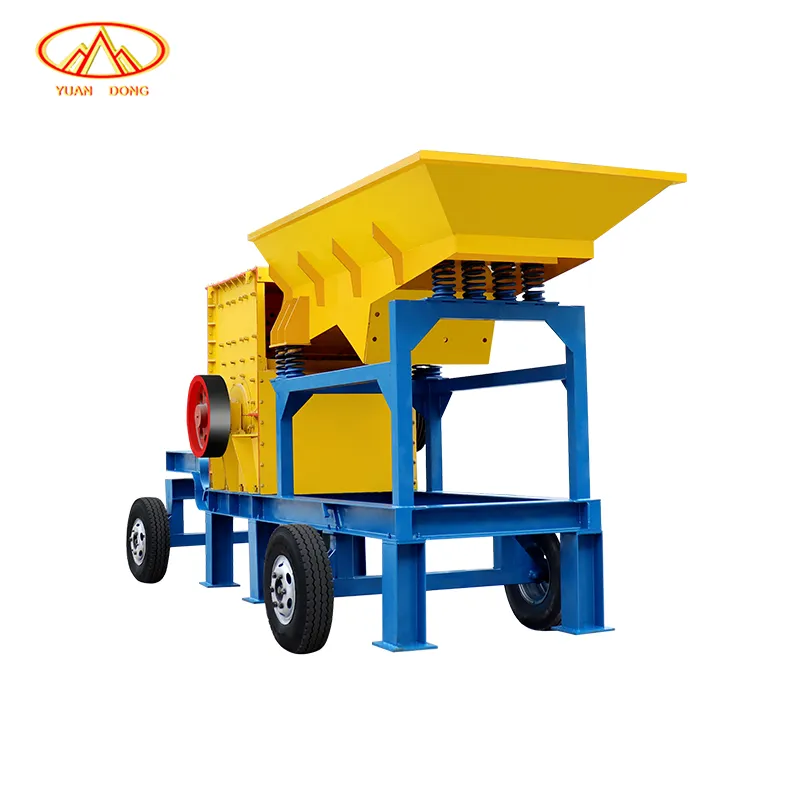
Selecting the right sand making machine is crucial for achieving consistent, high-quality sand production that meets construction industry standards. With increasing demand for manufactured sand due to natural sand scarcity, the choice of equipment directly impacts particle shape, gradation, and overall product quality. Understanding the key factors that influence sand making machine performance enables manufacturers to optimize their production processes and deliver superior aggregate products.
The decision-making process for sand making machine selection involves evaluating multiple technical specifications, operational requirements, and economic factors. Modern sand making machines incorporate advanced crushing technologies that significantly influence the final product characteristics. Professional sand producers must balance capacity requirements, energy efficiency, maintenance costs, and product quality standards when choosing the optimal equipment configuration for their specific applications.
Understanding Sand Making Machine Types and Technologies
Vertical Shaft Impact Crushers
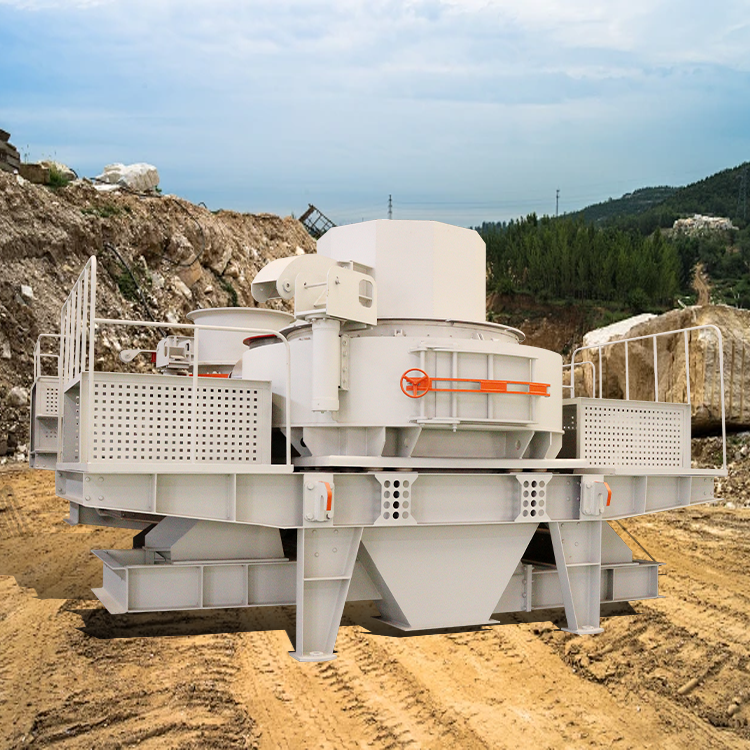
Vertical shaft impact crushers represent the most widely adopted technology for high-quality sand production. These machines utilize a high-speed rotor equipped with wear-resistant tips that accelerate rock particles to create inter-particle collisions. The vertical shaft design allows for precise control over the crushing chamber geometry, directly influencing particle shape and gradation. Modern vertical shaft sand making machines can achieve cubic particle shapes with minimal needle and flaky particles, essential for high-strength concrete applications.
The rotor speed and tip configuration significantly impact the crushing efficiency and product quality in vertical shaft sand making machines. Higher rotor speeds generally produce finer particles with better shape characteristics, but also increase energy consumption and wear rates. The crushing chamber design, including the anvil ring configuration and material flow patterns, determines the residence time and crushing intensity. Operators must optimize these parameters based on feed material properties and desired product specifications.
Feed material characteristics play a critical role in vertical shaft sand making machine performance. Harder materials require higher impact velocities and may necessitate specialized wear-resistant components. The moisture content of the feed material affects the crushing efficiency and dust generation, while the feed size distribution influences the product gradation. Understanding these relationships enables operators to select the appropriate machine configuration and optimize operational parameters for specific raw materials.
Horizontal Shaft Impact Crushers
Horizontal shaft impact crushers offer an alternative approach to sand production, particularly suitable for softer materials and specific particle size requirements. These machines utilize a horizontal rotor with blow bars that impact the material against breaker plates or curtains. The horizontal configuration provides different particle flow dynamics compared to vertical shaft machines, often resulting in higher throughput rates for certain applications. However, the particle shape quality may require additional processing to meet stringent construction standards.
The blow bar configuration and breaker plate design significantly influence the performance of horizontal shaft sand making machines. Different blow bar materials and geometries affect the impact energy transfer and wear characteristics. The gap settings between the rotor and breaker plates control the product size distribution, while the chamber geometry influences the material flow patterns. These parameters must be carefully adjusted to achieve the desired balance between productivity and product quality.
Material feed control systems in horizontal shaft sand making machines require precise calibration to maintain consistent product quality. Uniform feed distribution across the rotor width ensures balanced wear and optimal crushing conditions. The feed rate must be matched to the machine capacity to prevent overloading and maintain efficient operation. Advanced control systems can automatically adjust feed rates based on power consumption and product quality feedback.
Cone Crushers for Sand Production
Cone crushers, while traditionally used for coarse and medium crushing, can be configured for sand production applications through proper cavity design and operational settings. Modern cone sand making machines incorporate specialized crushing chambers that promote inter-particle crushing and improve particle shape. The eccentric motion and crushing geometry create multiple crushing actions that can produce acceptable sand quality for certain applications.
The closed side setting adjustment in cone sand making machines directly affects the product fineness and shape characteristics. Tighter settings generally produce finer particles but may increase the proportion of needle and flaky particles. The liner profiles and crushing chamber geometry must be optimized for sand production rather than conventional aggregate crushing. Some manufacturers offer specialized sand production liners that enhance particle shape while maintaining acceptable wear life.
Critical Selection Criteria for Sand Making Equipment
Production Capacity Requirements
Determining the required production capacity is fundamental to sand making machine selection. The capacity calculation must consider not only the nominal throughput but also the actual operating conditions, including feed material characteristics, desired product specifications, and operational efficiency factors. Modern sand making machines offer capacities ranging from 50 to over 500 tons per hour, requiring careful matching to project requirements and future expansion plans.
Feed material properties significantly influence the actual throughput of sand making machines. Harder materials typically reduce capacity compared to softer rocks, while moisture content and clay contamination can further impact performance. The desired product fineness also affects capacity, as finer products generally require multiple passes or reduced throughput rates. Operators must consider these factors when sizing equipment to ensure adequate capacity margins for consistent operation.
Operational efficiency factors include machine availability, maintenance schedules, and power limitations. Sand making machines require regular maintenance to maintain optimal performance, reducing effective operating time. Power consumption increases significantly with throughput and product fineness requirements, potentially limiting capacity in power-constrained installations. These practical considerations must be incorporated into capacity planning to ensure realistic production targets.
Product Quality Specifications
Product quality specifications define the critical performance requirements for sand making machine selection. Key quality parameters include particle size distribution, particle shape characteristics, and cleanliness standards. The sand fineness modulus typically ranges from 2.3 to 3.2 for construction applications, requiring precise control over the crushing process. Particle shape quality is measured by the percentage of needle and flaky particles, which should be minimized for high-performance concrete applications.
Cleanliness requirements encompass dust content, clay contamination, and organic impurities that can affect concrete performance. Modern sand making machines incorporate dust collection systems and washing capabilities to meet stringent cleanliness standards. The methylene blue value and sand equivalent tests provide quantitative measures of clay contamination that must be controlled through proper equipment selection and processing techniques.
Consistency of product quality over time requires stable machine operation and effective process control. Variations in feed material properties, wear conditions, and operational parameters can cause quality fluctuations that impact customer satisfaction. Advanced sand making machines include monitoring systems that track key quality indicators and provide feedback for process optimization. Regular quality testing and adjustment procedures ensure consistent product delivery.
Energy Efficiency and Operating Costs
Energy efficiency represents a major factor in sand making machine selection, particularly given the high power requirements of impact crushing technologies. Specific energy consumption typically ranges from 3 to 8 kWh per ton of sand produced, depending on the machine type, feed material, and product specifications. Energy-efficient sand making machines incorporate optimized rotor designs, advanced bearing systems, and variable frequency drives to minimize power consumption while maintaining productivity.
Wear part costs constitute a significant portion of operating expenses for sand making machines. The selection of appropriate wear-resistant materials and optimized wear part geometries directly impacts replacement frequency and costs. Modern sand making machines utilize advanced wear materials such as high-chromium iron and tungsten carbide inserts to extend service life. The ease of wear part replacement and availability of spare parts also influence long-term operating costs.
Maintenance requirements vary significantly among different sand making machine designs. Machines with complex internal mechanisms may require specialized maintenance expertise and longer downtime periods. Simplified designs with accessible wear parts enable faster maintenance and reduce labor costs. Predictive maintenance systems using vibration monitoring and oil analysis can optimize maintenance schedules and prevent unexpected failures that impact production continuity.
Feed Material Considerations and Machine Compatibility
Rock Type and Hardness Assessment
Rock type and hardness characteristics fundamentally influence sand making machine performance and selection criteria. Abrasive materials such as granite and quartzite require sand making machines with enhanced wear resistance and robust construction. The Mohs hardness scale provides a basic assessment, but more detailed analysis including abrasion index and impact strength values enables precise machine selection. Different rock types produce varying particle shapes and require specific crushing strategies to optimize sand quality.
Mineralogical composition affects both the crushing behavior and final product quality in sand making machines. Rocks with high quartz content tend to produce angular particles with good shape characteristics, while those containing softer minerals may require different processing approaches. The presence of clay minerals or weathered zones can impact product cleanliness and require additional washing or classification steps. Understanding these material properties enables proper sand making machine configuration and process design.
Geological variability within quarry operations necessitates sand making machine flexibility to handle changing feed conditions. Machines must accommodate variations in hardness, moisture content, and contamination levels while maintaining consistent product quality. Advanced control systems can automatically adjust operational parameters based on feed material characteristics, ensuring optimal performance across different geological zones.
Feed Size Distribution Optimization
Feed size distribution significantly impacts sand making machine efficiency and product quality. Most sand making machines operate optimally with feed sizes between 10-50mm, requiring upstream crushing to achieve appropriate size reduction ratios. Oversized particles can cause excessive wear and reduce efficiency, while undersized material may not achieve adequate shape improvement. Proper scalping and sizing equipment ensures consistent feed characteristics for optimal sand making machine performance.
The size reduction ratio in sand making machines typically ranges from 4:1 to 8:1, depending on the technology and application requirements. Higher reduction ratios generally improve particle shape but increase energy consumption and wear rates. The feed size distribution should be matched to the machine capability to achieve the desired product specifications efficiently. Gap-graded feeds may require pre-classification to optimize the sand making process.
Moisture content in the feed material affects sand making machine performance through its impact on material flow, dust generation, and product handling. Excessive moisture can cause material build-up in the crushing chamber and reduce efficiency. Optimal moisture levels typically range from 3-8% depending on the material type and machine design. Some sand making machines incorporate heating systems to manage moisture-related issues in challenging applications.
Contamination Control and Processing Requirements
Contamination control represents a critical aspect of feed material preparation for sand making machines. Clay content, organic materials, and metallic contamination can significantly impact product quality and machine performance. Pre-washing systems remove surface contamination and clay fines before the sand making process, reducing wear and improving product cleanliness. Magnetic separation removes metallic contamination that could damage the crushing chamber.
Weathered materials require special consideration in sand making machine applications due to their tendency to produce excessive fines and poor shape characteristics. These materials may require different processing strategies, including classification to remove degraded particles before crushing. The sand making machine selection must account for increased wear rates and reduced efficiency when processing weathered materials. Alternative processing methods such as attrition scrubbing may be necessary to achieve acceptable product quality.
Plant Integration and System Design Considerations
Material Handling and Flow Design
Material handling system design significantly influences sand making machine performance and overall plant efficiency. Proper conveyor sizing ensures consistent material flow without creating bottlenecks or excessive storage requirements. Belt speeds must be optimized to prevent material degradation while maintaining adequate capacity. Transfer points require careful design to minimize material spillage and reduce maintenance requirements throughout the sand making circuit.
Feed systems to sand making machines must provide uniform material distribution to ensure balanced wear and optimal crushing conditions. Vibrating feeders with variable frequency drives enable precise flow control and prevent surge loading that can damage equipment. The feeder design should accommodate the specific material characteristics and prevent size segregation that could affect product consistency. Proper feed chute design minimizes impact damage and maintains material flow stability.
Stockpiling and reclaim systems for sand making machine feed and products require careful consideration of material characteristics and quality control requirements. Cone stackers and radial stackers provide uniform material distribution and minimize segregation. Reclaim systems must maintain product quality while providing consistent feed to downstream processes. Automated sampling systems enable continuous quality monitoring and process adjustment.
Screening and Classification Integration
Screening systems play a crucial role in sand making machine circuits by separating oversize material for recirculation and removing undersize fines that may not require further processing. Multi-deck screens enable precise size separation and product quality control. The screen aperture selection must balance product specification requirements with efficiency considerations. Proper screen selection and maintenance ensure optimal sand making machine utilization and product quality.
Classification equipment such as air separators or hydrocyclones provides additional control over product fineness and particle size distribution. These systems enable removal of excess fines that may affect concrete workability while ensuring adequate fine material for proper gradation. The integration of classification systems with sand making machines requires careful balance to optimize both capacity and quality. Advanced control systems coordinate these components for optimal performance.
Closed-circuit operation with screening and classification systems maximizes sand making machine efficiency by recycling oversized material and removing unwanted fines. The circulating load must be carefully controlled to prevent overloading while ensuring adequate crushing action. Proper circuit design minimizes material handling costs while maximizing product recovery and quality. Regular monitoring and adjustment maintain optimal circuit performance.
Dust Control and Environmental Systems
Dust control systems are essential components of modern sand making machine installations due to environmental regulations and worker safety requirements. Bag filters or wet scrubbers capture dust generated during the crushing process and material handling operations. The dust collection system capacity must be matched to the sand making machine requirements and consider factors such as material moisture content and wind conditions. Proper maintenance of dust collection systems ensures compliance and optimal working conditions.
Water systems for dust suppression and product washing require careful design to minimize consumption while achieving effective contamination removal. Spray nozzles at strategic locations suppress dust generation without creating excessive moisture that could affect material handling. Clarification and recycling systems reduce water consumption and environmental impact. The integration of water systems with sand making machines requires consideration of material characteristics and climate conditions.
Noise control measures become increasingly important as sand making operations expand into urban areas. Sound enclosures, vibration isolation, and proper maintenance reduce noise emissions from sand making machines. The selection of inherently quieter equipment designs and operational practices contributes to environmental compliance. Regular noise monitoring ensures continued compliance with local regulations and community standards.
FAQ
What factors determine the ideal sand making machine capacity for my production requirements?
The ideal sand making machine capacity depends on your target production volume, feed material characteristics, desired product quality, and operational efficiency factors. Consider the actual operating conditions rather than just nominal capacity ratings, as harder materials and finer product specifications reduce effective throughput. Factor in maintenance downtime, power limitations, and future expansion plans when sizing equipment. Most operations benefit from having 10-20% capacity margin above minimum requirements to accommodate material variations and maintain consistent production schedules.
How do different sand making machine types affect final product quality and shape characteristics?
Vertical shaft impact crushers typically produce the highest quality sand with excellent particle shape and minimal needle-flaky particles, making them ideal for high-performance concrete applications. Horizontal shaft impact crushers offer higher throughput but may require additional processing for optimal shape characteristics. Cone crushers configured for sand production can achieve acceptable quality for certain applications but generally produce more elongated particles. The choice depends on your specific quality requirements, production volume, and economic considerations.
What maintenance requirements should I expect with different sand making machine technologies?
Maintenance requirements vary significantly among sand making machine types and operating conditions. Vertical shaft impact crushers require regular inspection and replacement of wear tips, typically every 200-800 operating hours depending on material abrasiveness. Horizontal shaft machines need blow bar and breaker plate maintenance on similar schedules. Cone sand making machines require liner replacement every 1000-3000 hours but have more complex internal mechanisms. Factor wear part costs, replacement frequency, and maintenance complexity into your total cost of ownership analysis when selecting equipment.
How can I optimize energy efficiency while maintaining sand quality in my sand making operation?
Optimize energy efficiency by matching machine capacity to actual production requirements, maintaining proper feed size distribution, and implementing variable frequency drives for operational flexibility. Regular maintenance of wear parts and lubrication systems maintains peak efficiency, while proper screening circuits prevent overloading. Consider newer sand making machine designs with improved energy efficiency features and advanced control systems that automatically adjust parameters for optimal performance. Monitor specific energy consumption regularly and adjust operational parameters to maintain the balance between quality and efficiency.
Table of Contents
- Understanding Sand Making Machine Types and Technologies
- Critical Selection Criteria for Sand Making Equipment
- Feed Material Considerations and Machine Compatibility
- Plant Integration and System Design Considerations
-
FAQ
- What factors determine the ideal sand making machine capacity for my production requirements?
- How do different sand making machine types affect final product quality and shape characteristics?
- What maintenance requirements should I expect with different sand making machine technologies?
- How can I optimize energy efficiency while maintaining sand quality in my sand making operation?