
 EN
EN
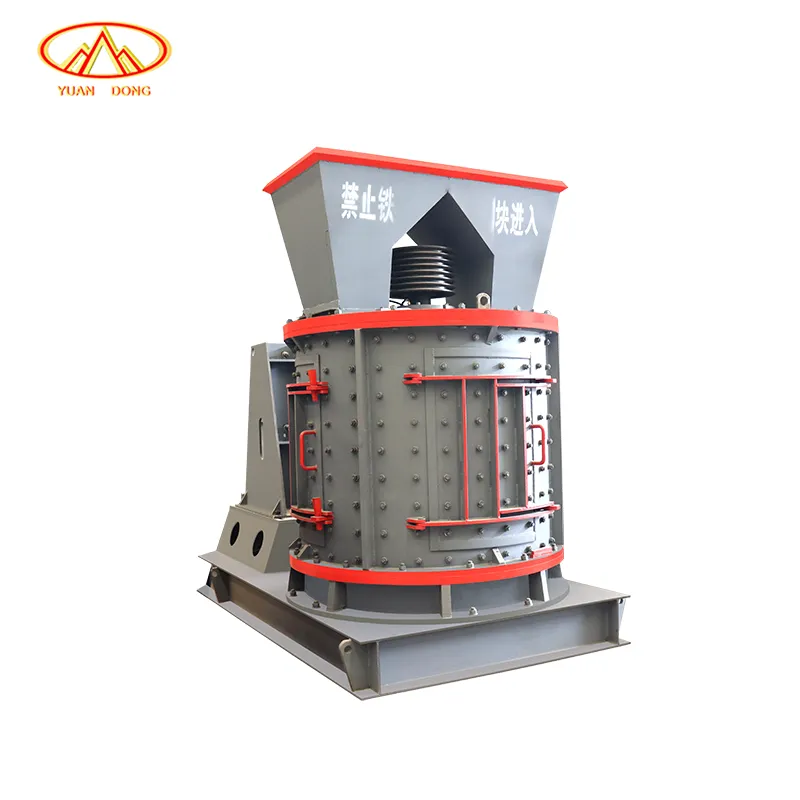
Proper maintenance of your sand making machine is the cornerstone of achieving long-term operational success and maximizing return on investment. Industrial sand production equipment represents a significant capital expenditure, making it essential to implement systematic maintenance protocols that prevent costly breakdowns and extend equipment lifespan. Understanding the specific maintenance requirements for sand making machines enables operators to maintain consistent production quality while minimizing unexpected downtime and repair expenses.
The complexity of sand making machine operations demands a comprehensive approach to maintenance that addresses both mechanical components and operational parameters. Regular maintenance protocols not only preserve the structural integrity of critical components but also ensure optimal particle size distribution and production efficiency. Establishing a proactive maintenance culture within your operation creates the foundation for sustained productivity and helps identify potential issues before they escalate into major equipment failures that could halt production for extended periods.
Essential Daily Maintenance Procedures
Lubrication System Management
Daily lubrication represents the most critical maintenance task for sand making machine longevity. The high-speed rotation and intense crushing forces within the machine create extreme operating conditions that demand consistent lubrication quality. Check lubricant levels in all designated points including bearing housings, gear reducers, and hydraulic systems before starting daily operations. Proper lubrication reduces friction between moving components, prevents excessive wear, and maintains optimal operating temperatures throughout the production cycle.
Monitor lubricant quality indicators such as color, consistency, and contamination levels during daily inspections. Contaminated lubricants lose their protective properties and can accelerate component wear, leading to premature failure of expensive parts. Replace lubricants according to manufacturer specifications and operating hour intervals, regardless of visual appearance. High-quality lubricants specifically formulated for sand making machine applications provide superior protection against the harsh operating environment typical of aggregate production facilities.
Wear Part Inspection and Assessment
Implement systematic inspection procedures for critical wear components including crushing chamber liners, rotor tips, and impact plates. These components experience direct contact with raw materials and represent the primary interface between the machine and processed materials. Visual inspection techniques combined with measurement protocols help identify wear patterns that indicate normal operation versus abnormal wear that suggests operational adjustments or component replacement.
Document wear measurements and patterns to establish baseline data that enables predictive maintenance scheduling. Understanding normal wear progression for your specific application and material characteristics allows maintenance teams to schedule replacements during planned downtime rather than responding to unexpected failures. Regular monitoring of sand making machine wear parts prevents damage to secondary components and maintains consistent product quality throughout the production cycle.
Weekly Inspection and Adjustment Protocols
Vibration Analysis and Mechanical Integrity
Weekly vibration monitoring provides early warning indicators of developing mechanical issues within the sand making machine assembly. Excessive vibration patterns often indicate bearing wear, rotor imbalance, or structural loosening that requires immediate attention. Utilize vibration analysis equipment to measure amplitude and frequency characteristics at designated monitoring points throughout the machine structure, comparing readings against established baseline parameters.
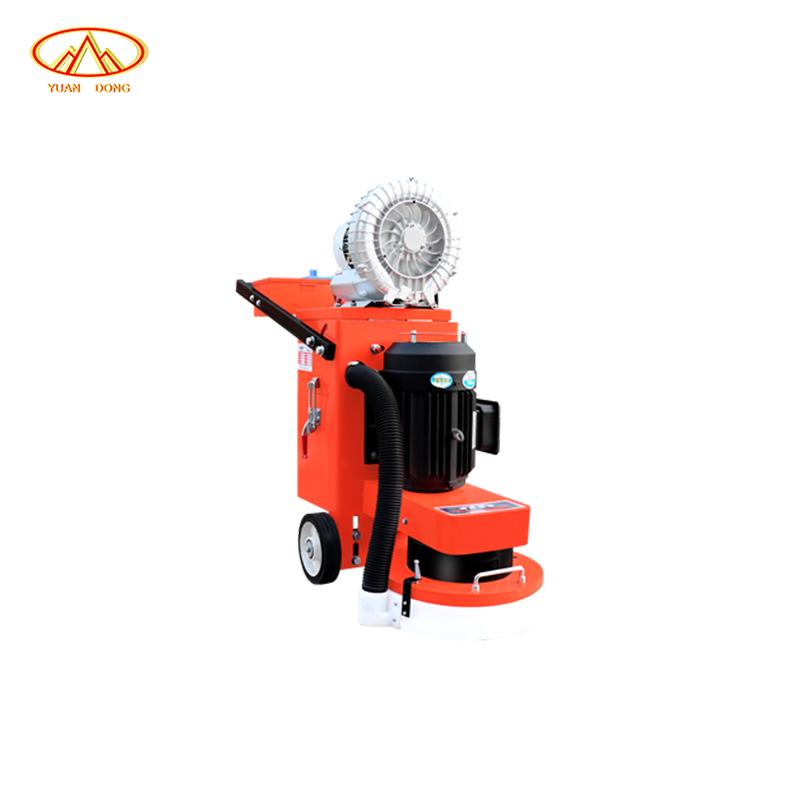
Address any vibration anomalies immediately through systematic investigation and corrective action. Prolonged operation with excessive vibration accelerates wear throughout the machine and can lead to catastrophic failure of major components. Regular vibration monitoring enables maintenance teams to identify and correct minor issues before they develop into significant problems that require extensive repairs or component replacement.
Belt Tension and Drive System Optimization
Proper belt tension maintains efficient power transmission and prevents premature belt failure in sand making machine drive systems. Weekly tension adjustments ensure optimal grip between belts and pulleys while preventing excessive stress that leads to belt stretching or breakage. Use appropriate tension measuring tools to verify belt tension according to manufacturer specifications, adjusting tension gradually to prevent shock loading of drive components.
Inspect drive belt condition for signs of cracking, fraying, or uneven wear patterns that indicate alignment issues or excessive loading. Replace belts showing significant wear before failure occurs, as belt failure during operation can cause damage to pulleys and other drive components. Maintain spare belts in inventory to minimize downtime when replacement becomes necessary during scheduled maintenance intervals.
Monthly Comprehensive Maintenance Activities
Crushing Chamber Configuration and Optimization
Monthly evaluation of crushing chamber configuration ensures optimal particle size distribution and production efficiency from your sand making machine. Measure and document gap settings between rotor components and chamber walls, adjusting these parameters based on product specifications and wear patterns observed during operation. Proper gap settings directly influence product gradation and machine efficiency, requiring regular attention to maintain consistent output quality.
Analyze product samples to verify that particle size distribution meets specification requirements and identify opportunities for optimization. Adjusting chamber configuration parameters allows operators to fine-tune production output for specific applications while maximizing throughput capacity. Regular optimization of sand making machine settings ensures consistent quality and prevents excessive wear caused by improper operating parameters.
Electrical System Maintenance and Safety Verification
Comprehensive electrical system inspection includes verification of motor performance, control system functionality, and safety interlock operation. Test all emergency stop systems, safety guards, and protective devices to ensure proper operation in emergency situations. Clean electrical components to remove dust accumulation that can cause overheating or electrical faults, paying particular attention to motor housings and control panels in dusty production environments.
Monitor motor current consumption and temperature patterns to identify developing electrical issues before they cause equipment failure. Excessive current draw or elevated operating temperatures often indicate bearing problems, electrical faults, or mechanical binding within the sand making machine assembly. Document electrical measurements to establish trending data that enables predictive maintenance strategies for electrical components.
Long-Term Maintenance Strategy Development
Scheduled Overhaul Planning and Execution
Develop comprehensive overhaul schedules based on operating hours, production tonnage, and component life expectancy data. Major overhauls typically occur annually or after predetermined operating intervals, involving complete disassembly, component inspection, and replacement of worn parts. Planning overhauls during scheduled production breaks minimizes impact on operational schedules while ensuring thorough maintenance attention to all sand making machine components.
Establish detailed overhaul procedures that include torque specifications, assembly sequences, and quality verification checkpoints. Proper overhaul execution requires specialized tools, replacement parts inventory, and technical expertise to ensure correct reassembly and optimal performance. Document overhaul findings to identify patterns that inform future maintenance strategies and component procurement decisions.
Maintenance Record Keeping and Performance Tracking
Comprehensive maintenance documentation provides valuable data for optimizing maintenance intervals and identifying recurring issues. Maintain detailed records of all maintenance activities, component replacements, and operational parameters to establish performance trends and predict future maintenance requirements. Digital maintenance management systems enable efficient data collection and analysis, supporting data-driven decisions about maintenance strategies and component specifications.
Regular analysis of maintenance data reveals opportunities for improvement in maintenance procedures, component selection, or operational parameters. Track key performance indicators such as mean time between failures, maintenance costs per ton produced, and overall equipment effectiveness to benchmark maintenance program success. Use this data to continuously improve maintenance strategies and optimize sand making machine performance throughout its operational life.
FAQ
How often should I replace wear parts in my sand making machine?
Wear part replacement intervals depend on several factors including material hardness, production volume, and operating conditions. Typically, rotor tips require replacement every 200-500 operating hours, while chamber liners may last 500-1000 hours. Monitor wear rates specific to your application and establish replacement schedules based on actual wear data rather than arbitrary time intervals to optimize both performance and cost effectiveness.
What are the warning signs that my sand making machine needs immediate maintenance?
Key warning signs include unusual vibration patterns, excessive noise levels, declining product quality, increased power consumption, and visible wear on accessible components. Any sudden change in operational characteristics requires immediate investigation to prevent catastrophic failure. Implement monitoring systems that alert operators to abnormal conditions and establish shutdown procedures when critical parameters exceed safe operating limits.
Can I perform sand making machine maintenance with my existing maintenance team?
Most routine maintenance tasks can be performed by trained maintenance personnel with appropriate tools and procedures. However, major overhauls and complex repairs may require specialized expertise and equipment. Invest in training programs for your maintenance team and establish relationships with equipment specialists for technical support when needed. Proper training ensures safe and effective maintenance while preventing damage from incorrect procedures.
How do I optimize maintenance costs while ensuring reliable operation?
Focus on preventive maintenance strategies that identify and address issues before they cause major failures. Maintain adequate spare parts inventory for critical components while avoiding excessive stock that ties up capital. Use condition-based maintenance techniques such as vibration analysis and oil analysis to optimize replacement intervals. Regular maintenance training and proper procedures reduce labor costs and prevent expensive mistakes that compromise equipment reliability.
Table of Contents
- Essential Daily Maintenance Procedures
- Weekly Inspection and Adjustment Protocols
- Monthly Comprehensive Maintenance Activities
- Long-Term Maintenance Strategy Development
-
FAQ
- How often should I replace wear parts in my sand making machine?
- What are the warning signs that my sand making machine needs immediate maintenance?
- Can I perform sand making machine maintenance with my existing maintenance team?
- How do I optimize maintenance costs while ensuring reliable operation?