
 EN
EN
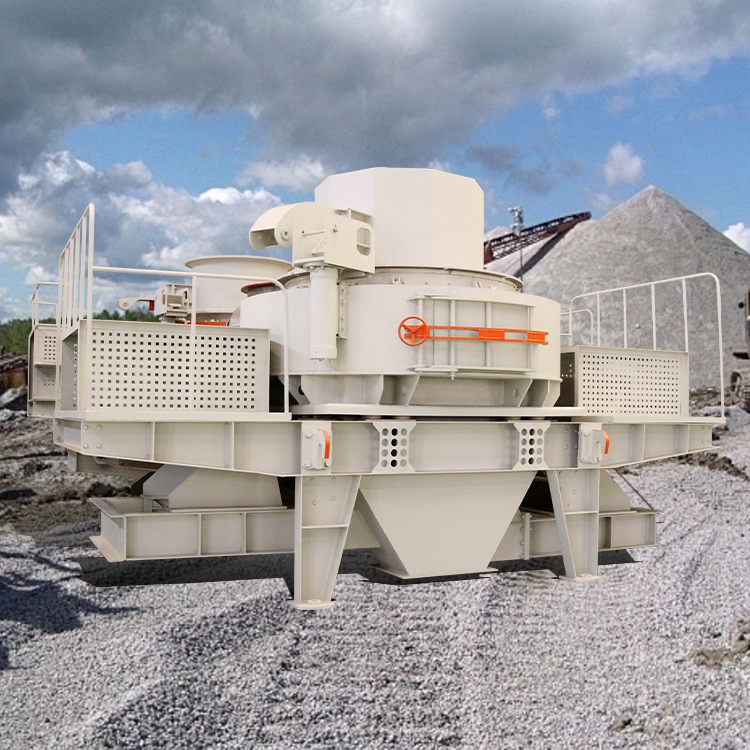
Sand quality control in vertical shaft sand making machines represents a critical aspect of modern aggregate production, directly influencing the performance characteristics and commercial viability of manufactured sand products. The precision with which vertical shaft sand making machines control particle size distribution, shape, and surface texture determines whether the output meets stringent construction industry specifications for concrete production, asphalt mixing, and specialized construction applications.
The sophisticated control mechanisms employed in vertical shaft sand making machines enable operators to achieve consistent sand quality through precise regulation of crushing forces, material flow patterns, and screening processes. Understanding these control parameters becomes essential for production managers seeking to optimize output quality while maintaining operational efficiency and minimizing material waste in commercial sand production facilities.
Fundamental Quality Control Mechanisms
Impact Velocity Regulation Systems
The impact velocity regulation system in vertical shaft sand making machines serves as the primary quality control mechanism, governing how raw materials interact with crushing elements to produce sand particles of specific characteristics. These systems utilize variable speed drives and rotor adjustment mechanisms to control the kinetic energy transferred to feed materials during the crushing process.
Modern vertical shaft sand making machines incorporate sophisticated velocity control algorithms that automatically adjust impact speeds based on feed material properties and desired output specifications. The relationship between impact velocity and particle shape becomes particularly critical, as higher velocities tend to produce more cubical particles while lower velocities may result in elongated or flaky particles that fail to meet quality standards.
Operators can fine-tune impact velocity parameters through computerized control panels that monitor real-time crushing conditions and automatically compensate for variations in feed material hardness, moisture content, and size distribution. This dynamic adjustment capability ensures consistent sand quality even when processing heterogeneous raw materials or transitioning between different production requirements.
Material Flow Distribution Controls
Material flow distribution controls within vertical shaft sand making machines regulate how feed materials enter the crushing chamber and interact with various crushing zones. These controls include feed rate regulators, distribution plates, and cascade systems that ensure uniform material processing throughout the crushing chamber volume.
The cascade flow system employed in advanced vertical shaft sand making machines creates multiple crushing stages within a single machine, allowing for progressive size reduction and shape improvement as materials move through different impact zones. This staged approach to material processing enables precise control over final particle characteristics while maximizing crushing efficiency.
Flow distribution mechanisms also incorporate wear compensation features that automatically adjust material pathways as wear parts experience gradual degradation. These adaptive systems maintain consistent sand quality throughout extended production campaigns by compensating for changes in crushing chamber geometry and impact surface conditions.
Particle Size Distribution Management
Screening Integration Systems
Screening integration systems in vertical shaft sand making machines provide real-time control over particle size distribution by continuously monitoring and adjusting the size gradation of produced sand. These systems typically incorporate multiple screening decks with different mesh sizes to separate oversize particles that require additional crushing from properly sized sand products.
The closed-loop screening configuration commonly employed in vertical shaft sand making machines returns oversize materials directly to the crushing chamber for additional processing, ensuring that all output materials meet specified size requirements. This recycling approach maximizes material utilization while maintaining strict size control standards.
Advanced screening systems utilize vibration frequency modulation and amplitude adjustment to optimize separation efficiency across different size fractions. These dynamic screening parameters can be adjusted in real-time to accommodate variations in material properties or changes in production requirements without interrupting continuous operation.
Gradation Curve Optimization
Gradation curve optimization in vertical shaft sand making machines involves precise control over the distribution of particle sizes within the final sand product to meet specific application requirements. Construction applications typically require well-graded sand with controlled percentages of particles within defined size ranges, necessitating sophisticated control over the crushing and classification processes.
The optimization process utilizes automated sampling systems that continuously monitor particle size distribution and provide feedback to crushing control systems. When deviations from target gradation curves are detected, the control system automatically adjusts crushing parameters such as rotor speed, feed rate, and screen settings to restore proper size distribution.
Modern vertical shaft sand making machines incorporate predictive control algorithms that anticipate gradation changes based on feed material characteristics and proactively adjust operating parameters to maintain consistent output quality. This predictive approach minimizes quality variations and reduces the need for manual intervention in production processes.
Shape and Surface Quality Control
Particle Shape Enhancement
Particle shape enhancement in vertical shaft sand making machines focuses on producing sand particles with optimal shape characteristics for construction applications. The crushing mechanism design influences whether particles develop cubical shapes preferred for concrete production or maintain angular characteristics suitable for asphalt applications.
The shape enhancement process relies on controlled inter-particle collision within the crushing chamber, where materials impact against each other rather than solely against fixed crushing surfaces. This collision-based approach promotes the development of well-rounded, cubical particles while eliminating elongated or flaky particles that can compromise concrete workability and strength.
Sophisticated vertical shaft sand making machines incorporate adjustable crushing chamber configurations that can be optimized for different shape requirements depending on the intended application of the produced sand. These adjustments include modifications to rotor design, crushing chamber geometry, and impact surface arrangements.
Surface Texture Management
Surface texture management systems in vertical shaft sand making machines control the roughness and cleanliness of sand particle surfaces, factors that significantly influence bonding characteristics in concrete and asphalt applications. The crushing process must remove clay coatings and other deleterious materials while creating appropriate surface textures for optimal cement or asphalt binding.
Air classification systems integrated with vertical shaft sand making machines remove fine clay particles and dust that can coat sand surfaces and reduce bonding effectiveness. These systems utilize controlled airflow patterns to separate lightweight contaminants from properly cleaned sand particles, ensuring consistent surface quality.
The surface texture development process can be controlled through adjustment of crushing intensity and residence time within the crushing chamber. Higher intensity crushing tends to produce rougher surface textures that enhance bonding characteristics, while more gentle processing preserves natural surface textures when required for specific applications.
Process Monitoring and Automation
Real-Time Quality Monitoring
Real-time quality monitoring systems in vertical shaft sand making machines continuously assess sand quality parameters and provide immediate feedback for process optimization. These systems utilize advanced sensor technologies including laser particle analyzers, digital imaging systems, and automated sampling mechanisms to monitor quality parameters without interrupting production flow.
The monitoring systems track multiple quality indicators simultaneously, including particle size distribution, shape factors, surface area measurements, and moisture content. This comprehensive monitoring approach enables operators to identify quality trends and implement corrective actions before significant deviations occur in the final product.
Data integration capabilities allow real-time monitoring systems to correlate quality measurements with operating parameters, creating detailed process optimization maps that guide automatic control adjustments. These systems learn from historical data to improve prediction accuracy and reduce quality variations over time.
Automated Control Response Systems
Automated control response systems in vertical shaft sand making machines implement immediate adjustments to crushing parameters when quality monitoring systems detect deviations from target specifications. These response systems utilize pre-programmed control logic and machine learning algorithms to optimize parameter adjustments for maximum effectiveness.
The automated response capability extends beyond simple parameter adjustment to include predictive maintenance scheduling and wear part replacement recommendations. By monitoring equipment performance indicators alongside quality parameters, these systems can anticipate maintenance requirements and schedule interventions to maintain consistent sand quality.
Integration with enterprise resource planning systems allows automated control responses to consider production scheduling requirements and inventory management needs when implementing quality control adjustments. This holistic approach ensures that quality improvements do not compromise overall production efficiency or delivery commitments.
FAQ
How do vertical shaft sand making machines maintain consistent particle size distribution during extended production runs?
Vertical shaft sand making machines maintain consistent particle size distribution through automated screening feedback loops that continuously monitor output gradation and adjust crushing parameters in real-time. The systems compensate for wear part degradation and feed material variations by automatically modifying rotor speeds, feed rates, and screen settings to maintain target size distributions throughout extended production campaigns.
What quality control measures prevent contamination in sand produced by vertical shaft sand making machines?
Quality control measures include integrated air classification systems that remove clay particles and organic contaminants, automated washing systems that clean particle surfaces, and closed-loop water recycling systems that prevent cross-contamination between different material types. Advanced vertical shaft sand making machines also incorporate magnetic separation and density separation systems to remove metallic and heavyweight contaminants that could compromise sand quality.
How can operators optimize vertical shaft sand making machines for specific construction application requirements?
Operators optimize vertical shaft sand making machines by adjusting crushing chamber configurations, rotor speeds, and screening parameters to match specific application requirements such as concrete aggregate specifications or asphalt sand characteristics. The optimization process involves calibrating impact velocities for desired particle shapes, adjusting gradation curves for specific mix design requirements, and fine-tuning surface texture parameters to optimize bonding characteristics for the intended construction application.
What role does automation play in maintaining sand quality consistency in vertical shaft sand making machines?
Automation systems in vertical shaft sand making machines continuously monitor multiple quality parameters and implement immediate corrective actions when deviations are detected. These systems utilize predictive control algorithms that anticipate quality changes based on feed material characteristics and operating conditions, automatically adjusting crushing parameters to maintain consistent output quality while optimizing production efficiency and reducing manual intervention requirements.
Table of Contents
- Fundamental Quality Control Mechanisms
- Particle Size Distribution Management
- Shape and Surface Quality Control
- Process Monitoring and Automation
-
FAQ
- How do vertical shaft sand making machines maintain consistent particle size distribution during extended production runs?
- What quality control measures prevent contamination in sand produced by vertical shaft sand making machines?
- How can operators optimize vertical shaft sand making machines for specific construction application requirements?
- What role does automation play in maintaining sand quality consistency in vertical shaft sand making machines?