
 EN
EN
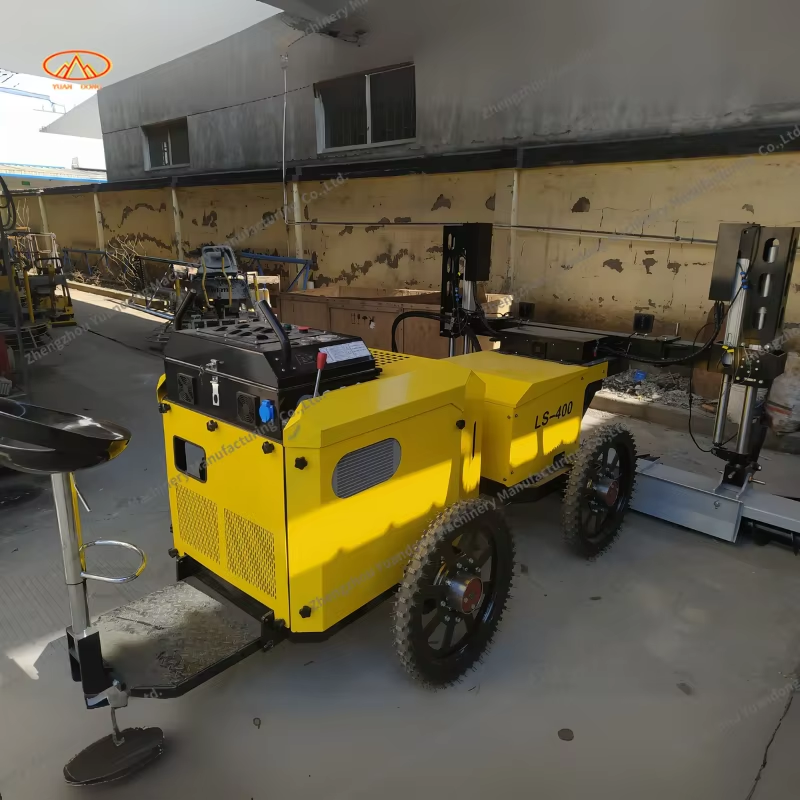
Concrete laser screed technology has revolutionized how contractors approach floor finishing and surface preparation, yet operators frequently encounter challenges that compromise accuracy and efficiency. Understanding the most common problems with your concrete laser screed system and implementing targeted solutions can significantly improve project outcomes and reduce costly rework.
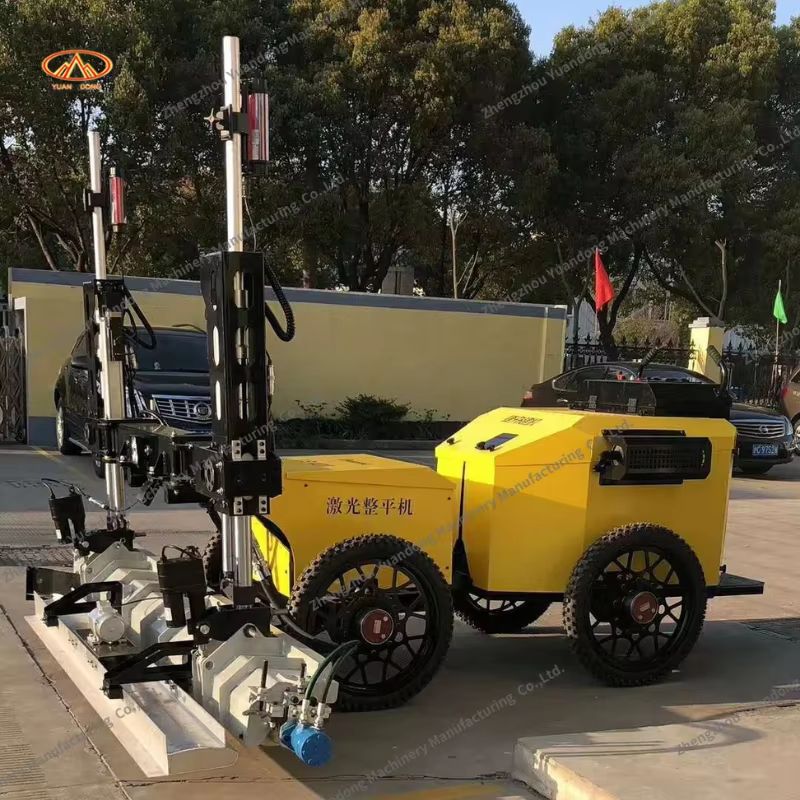
The intersection of precision engineering and concrete placement creates unique operational demands. When laser screed machine calibration drifts or self-leveling concrete systems malfunction, the consequences ripple through your entire project timeline. This guide addresses the root causes of frequent failures and provides practical troubleshooting strategies that concrete contractors and floor specialists can implement immediately on job sites.
Calibration and Sensor Accuracy Issues
Laser Screed Machine Calibration Drift
Laser screed machine calibration stands as the foundation of accurate concrete floor leveling technology. Over time, vibration from ongoing construction activities, temperature fluctuations, and mechanical wear gradually shift the laser reference plane away from specification. Many operators fail to recognize that recalibration is not a one-time installation task but rather a continuous maintenance requirement throughout the project lifecycle.
The primary symptom of calibration drift appears as a gradually increasing crown or dip in the finished floor surface. To address this, establish a structured calibration protocol at the beginning of each shift and after every four to six hours of continuous operation. Use precision-grade laser levels and calibrated reference boards to verify the laser screed machine calibration against your established datum. Document all calibration checks in a project log to identify patterns that might indicate deeper mechanical issues requiring parts replacement or professional service.
Sensor Contamination and Blockage
Concrete dust, water spray, and aggregate particles accumulate on the laser receiver sensors, degrading signal clarity and causing the self-leveling concrete systems to compensate incorrectly. This contamination progressively worsens as the day continues, particularly on active, high-dust projects. Daily sensor cleaning with soft, lint-free cloths and compressed air prevents this common failure mode. For projects with especially aggressive dust conditions, consider protective covers for sensors during non-operating periods and increase cleaning frequency to every two to three hours.
Concrete Floor Leveling Technology Performance
Poor Sensor Line Detection
Concrete floor leveling technology relies on laser line detection to maintain grade, but indirect sunlight, reflective surfaces, and inadequate ambient lighting conditions confuse the guidance system. Even on cloudy days, diffuse light can wash out the laser signal, causing the self-leveling concrete systems to lose reference and make erratic blade adjustments. Position work schedules to minimize direct sunlight on the laser receiver, or deploy temporary shading structures over active screed zones. Ensure indoor projects maintain sufficient ambient light control; if natural light proves problematic, install supplementary low-angle work lighting that does not directly reflect into receiver sensors.
Hydraulic System Performance
The hydraulic subsystems in self-leveling concrete systems require consistent fluid temperature, pressure, and contamination control. When hydraulic oil overheats during prolonged operation, viscosity changes and the blade response becomes sluggish. Pressure fluctuations from inadequate pump performance or worn seals prevent precise blade elevation. Implement a preventive maintenance schedule that includes hydraulic fluid analysis every fifty hours of operation, filter replacement every one hundred hours, and temperature monitoring to keep fluid within the manufacturer's specified range. Cold-weather operations demand fluid viscosity adjustment; using seasonal hydraulic fluid formulations maintains proper system responsiveness.
Operational Workflow and Site Challenges
Improper Concrete Placement and Consolidation
The concrete laser screed system cannot correct for poorly placed or insufficiently consolidated concrete. If ready-mix arrives too dry, the aggregate segregates and creates voids that undermine the screeding process. Conversely, excessively wet concrete slumps unpredictably beneath the blade. Establish concrete quality specifications with your supplier before project start; verify slump consistency, air content, and curing admixture dosing. Coordinate placement timing so the concrete laser screed operates within one to two hours of discharge. Proper vibration and consolidation behind the screed path ensures uniform density and prevents the system from over-correcting for localized soft spots.
Grade Setup and Reference Stake Accuracy
Many concrete floor leveling technology problems originate upstream in the grade establishment phase. If reference stakes contain errors or shift during form installation, the laser screed machine calibration targets the wrong elevation. Surveyed elevation errors as small as one-quarter inch propagate across large slabs, resulting in finish slopes that violate specification. Utilize modern laser transit or robotic total station surveying methods to establish reference marks at frequent intervals, typically every fifty to one hundred feet. Cross-verify critical elevations from independent survey runs and document all baseline measurements in a field notebook accessible to the laser screed operator.
FAQ
How often should laser screed machine calibration be performed during active concrete placement?
Laser screed machine calibration should be verified every four to six hours during continuous operation and always at the start of each shift. Checking calibration after weather changes or if you notice floor surface irregularities protects against compounding errors across large areas. Some contractors perform micro-checks every one to two hours on critical flatness projects where tolerance bands are extremely tight.
What indicators show that concrete floor leveling technology is not functioning properly?
Common signs include visible floor surface waves, unexpected crowning or sags, erratic blade movements, sensor lights that flicker or fail to track the reference line, and inconsistent screed widths. If the self-leveling concrete systems produce floors that vary more than one-quarter inch from specified elevation over fifty feet, systematic troubleshooting is warranted to isolate whether the issue originates in calibration, sensor function, hydraulics, or upstream grade setup.
Can self-leveling concrete systems work effectively in direct sunlight?
Direct sunlight significantly degrades laser line visibility for self-leveling concrete systems and confuses the sensor guidance. Deploy temporary shade cloth or adjust work timing to cooler morning or evening hours when sun angles are lower. If project schedules cannot accommodate this, install secondary shielding around the laser receiver or upgrade to laser systems with higher output power ratings designed for outdoor sunlight conditions.