
 EN
EN
Crushing Mechanism: Impact vs. Compression Fundamentals
How hammer crushers fracture brittle materials via high-speed rotor impact
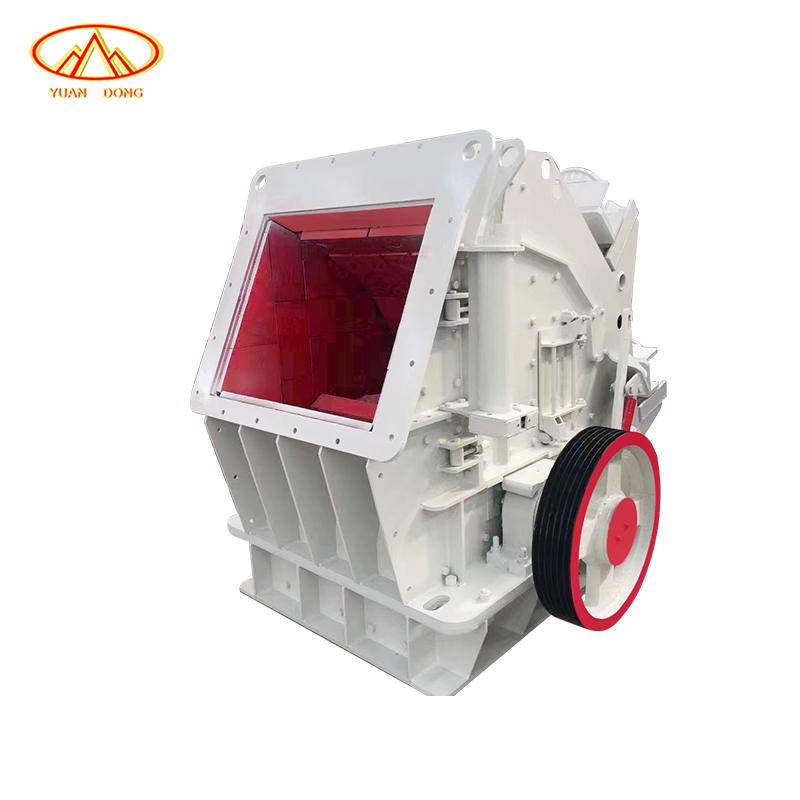
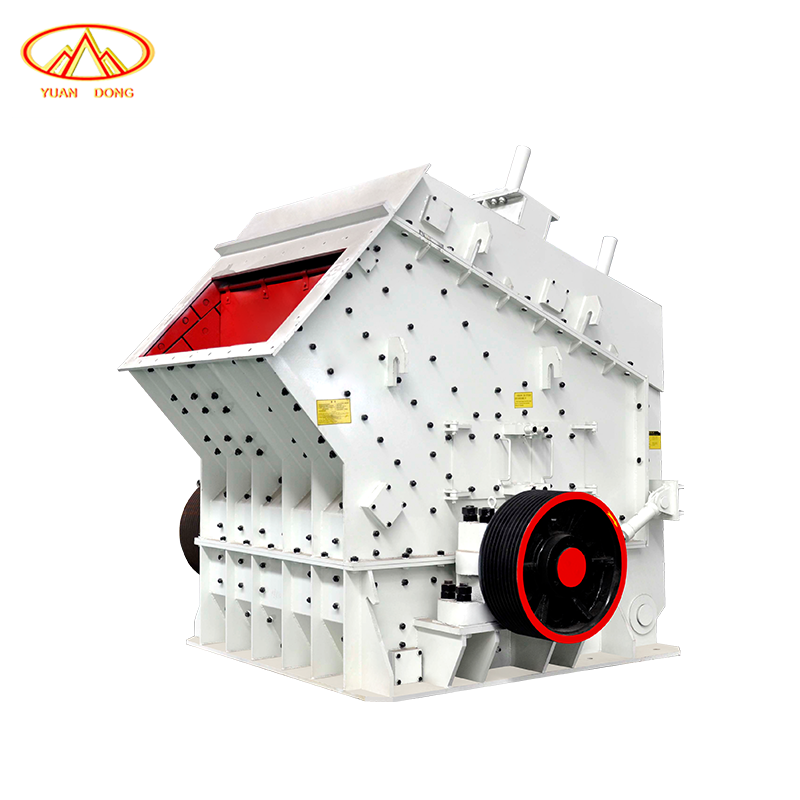
Hammer crushers break down brittle stuff like concrete, bricks, and limestone by using kinetic energy from high speed rotors. When the rotor spins between 500 and 3,000 RPM it sends those heavy hammers flying forward to hit the material hard enough to split along natural cracks and weaknesses. What comes out after all that smashing is mostly cube shaped pieces with pretty uniform sizes, which works great when making ready mix concrete where consistency matters. But there's a catch though the faster those rotors go, the worse things get for the hammers. Double the speed and hammer wear goes up four times because so much more energy gets transferred during each impact. To keep running smoothly without constant repairs, most experienced operators will feed these machines only pre screened material that doesn't contain too many abrasive particles, helping maintain both equipment life and the quality of crushed product.
How jaw crushers reduce hard, abrasive feed using controlled compressive force
Jaw crushers work by squeezing materials between two manganese steel plates. One plate stays still while the other moves in an oval path, creating enough force to crack tough stuff like granite, basalt, and rocks full of quartz. The machine can generate over 20 thousand pounds per square inch of pressure, which is plenty to crush even the toughest rocks out there. What makes these different from impact crushers? Well, they actually rely on rocks hitting each other inside the chamber rather than smashing directly against metal surfaces. This cuts down on wear and tear by around three to five times when dealing with really gritty materials. Operators can adjust how wide the jaws open, so they can handle everything from tiny bits to massive chunks up to a meter across. Sure, jaw crushing creates more jagged pieces and dust compared to impact methods, but nobody cares much about that when what matters most is getting through the job day after day. These machines just keep going no matter what gets thrown at them, including all sorts of mixed-up demolition waste with sticking out everywhere. That's why mines and big demolition sites stick with jaw crushers for their first round of breaking things down.
Material-Specific Suitability: From Granite to Concrete Rubble
Jaw crushers for primary crushing of hard rock (e.g., granite, basalt)
When dealing with tough rocks like granite and basalt, most operators turn to jaw crushers for their initial size reduction needs. These machines work at slower speeds but pack serious torque, which means they handle all sorts of rough material from quarries or demolition sites pretty well, even when processing over 500 tons per hour. What makes them special is how the jaws lock together and slowly crush the rock instead of just snapping it apart. This method works especially well with silica-rich volcanic rock types where other crushing techniques tend to wear out fast and produce uneven results. The crushed product comes out coarse and has those sharp edges that actually make things easier for what happens next in processing lines. Plus, this consistency stays pretty much the same regardless of what mix of materials goes in, which is why many mining operations and construction sites rely on jaw crushers when working with mixed batches of really abrasive stuff.
Hammer crushers optimized for recycling brittle, low-abrasion concrete waste — ideal for concrete mixer truck-compatible aggregate production
Hammer crushers work really well when dealing with brittle materials that don't wear down equipment much, especially clean concrete rubble that's been screened beforehand from old buildings being torn down. The way they operate is pretty efficient actually. They hit things at high speeds which means it takes less power to break apart the wet cement stuff and broken stones inside, creating those nice square shaped pieces around 3/8 inch to 3/4 inch in size. Getting consistent shapes matters a lot because it makes everything flow better during transport, keeps materials from separating, and works great in those big concrete mixers we see on construction sites. This helps meet those ASTM standards for recycled concrete aggregate too. If given concrete bits smaller than 500 mm, these machines can process anywhere from 150 to 400 tons per hour with less than 10% oversized material left over. That beats out traditional jaw crushers by about 20 to 30% performance wise when working with similar prepared feedstock. Most city recycling centers prefer hammer crushers precisely because of their fast processing times and ability to maintain particle shape, making them ideal partners for companies producing ready mixed concrete products across town.
Output Quality & Throughput: Shape, Size Distribution, and Efficiency
Cubical particle shape from hammer crushers improves workability in concrete mixer truck applications
Hammer crushers produce those nice cube-shaped particles that really make a difference in how concrete works, especially when it's being mixed around in those rotating drums during transportation. The uniform shape means we can cut down on water usage somewhere between 5% to 7%. Plus, the concrete flows better through pumps and the particles actually lock together better, which helps prevent them from separating out during long hauls while keeping that slump stable for longer periods. When talking about recycled concrete aggregate or RCA as it's called, these characteristics mean we get much better quality material. The consistent angles and texture match what ASTM C33 asks for in both fine and coarse aggregates. This lets contractors reuse old concrete in structural applications without having to worry about their mixes performing poorly.
Throughput comparison: Jaw crushers excel with large, ungraded feed; hammer crushers achieve higher tph on pre-screened, uniform concrete rubble
Jaw crushers can process all sorts of demolition waste including big chunks and rebar embedded in materials at pretty steady rates around 500 to maybe 1,200 tons per hour because they work well even with variable feed sizes and have good compression power. Hammer crushers reach maximum efficiency somewhere near 2,000 tph but only if given properly screened concrete pieces smaller than about 500 mm. These machines rely heavily on having consistently sized material coming in since any variation causes problems like reduced efficiency, parts wearing out faster, or imbalanced rotors. So really, hammer crushers win in terms of throughput only when there's proper preparation before processing. Upstream screening makes it possible to break down material quickly while controlling shapes. Mixed waste demolition sites still need jaw crushers as the main equipment though. When dealing specifically with concrete recycling operations, hammer crushers offer something special in terms of both quantity processed and quality results achieved together.
Total Cost of Ownership: Maintenance, Wear Parts, and Downtime
Wear part longevity: Jaw plates outlast hammer crusher rotors 3–5× under abrasive conditions
When it comes to tough jobs like breaking down granite, basalt, or concrete packed with silica, jaw crusher manganese steel plates tend to outlast hammer crusher components by around three to five times. The reason? These plates work under compression forces that are slower and more controlled compared to the high speed impacts seen in hammer crushers. This makes them less prone to metal fatigue and those annoying pits that form over time from constant abrasion. For companies dealing with hard rock materials day in and day out, this longer lifespan means fewer replacements throughout the year. Maintenance schedules can stretch out too, cutting down on both what we spend on spare parts and the labor costs associated with replacing worn components regularly.
Operational trade-offs: Lower maintenance frequency vs. higher replacement cost per hammer crusher rotor service
Jaw crushers don't need as much regular maintenance work and come with cheaper, replaceable wear parts that make fixing them quicker and less of a hassle overall. On the flip side, hammer crushers call for checking rotors more regularly and replacing hammers all the time. But getting those services done costs more money because they need careful balancing, proper alignment, and sometimes moving heavy parts around. Still, many concrete recycling operations find that hammer crushers make sense despite the extra spending. They just process materials faster which translates into more money made during each work shift. Plus, there's less waiting around for screening before processing starts compared to how often we have to swap out rotors on jaw models. The bottom line really comes down to what kind of material we're dealing with though. If everything coming in is clean and breaks easily, then hammer crushers tend to be cheaper over time. But when handling tough, mixed-up materials, jaw crushers hold up better in the long run and actually save money across their entire lifespan.
FAQ
What is the main difference between hammer crushers and jaw crushers?
Hammer crushers utilize high-speed rotor impact to break down materials, especially brittle ones, whereas jaw crushers employ controlled compressive force by squeezing materials between steel plates.
Which crusher is more suitable for recycling concrete?
Hammer crushers are ideal for recycling concrete since they produce consistent, cubical-shaped particles that are compatible with concrete mixer trucks.
Why do jaw crushers have longer-lasting wear parts?
Jaw crushers operate under slower compression forces, which reduces metal fatigue compared to the high-speed impacts that hammer crushers experience, leading to extended wear part longevity.
How can hammer crushers achieve higher throughput?
Hammer crushers can achieve higher throughput when processing pre-screened, uniform concrete rubble, as this reduces material variation and improves efficiency.