
 EN
EN
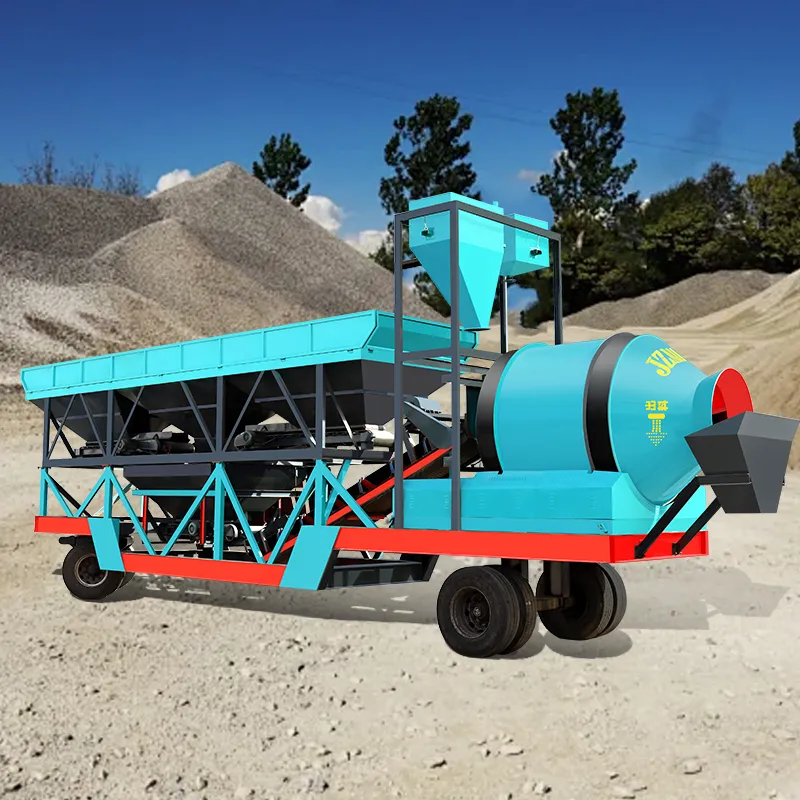
Instalace a uvedení do provozu betonárenské výrobní linky vyžadují pečlivé plánování, technickou zdatnost a dodržování průmyslových norem. Ať již zavádíte novou výrobní linku pro výrobu hotového betonu nebo modernizujete stávající infrastrukturu, pochopení procesu instalace je klíčové pro dosažení provozní efektivity a dlouhodobé úspory nákladů. Správně uvedená do provozu betonárenská výrobní linka zaručuje stálou kvalitu výstupu, minimalizuje prostoj a maximalizuje návratnost investice.
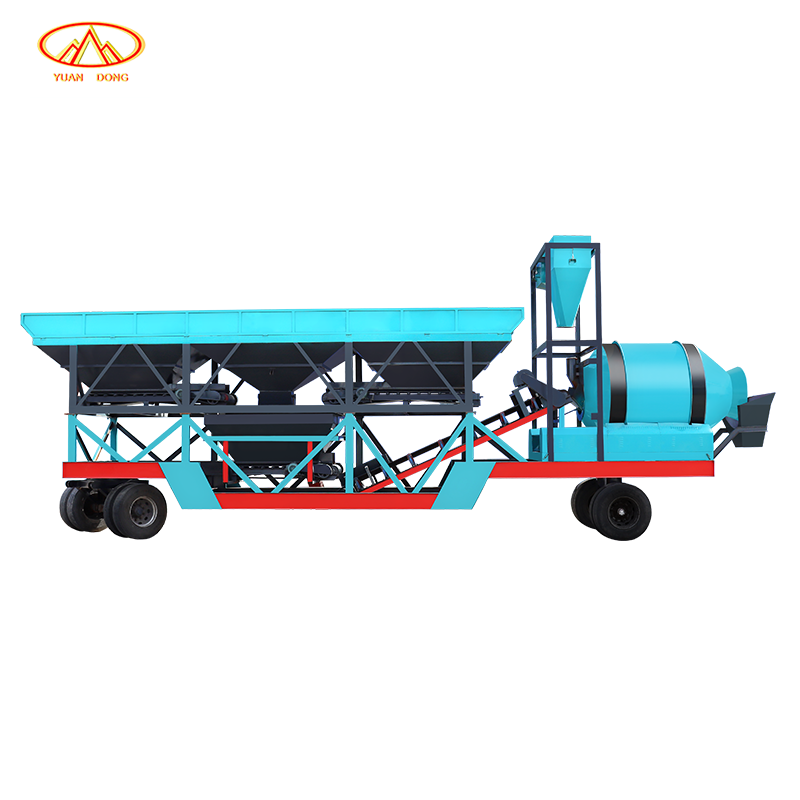
Fáze uvedení do provozu přeměňuje dodaný systém na plně funkční výrobní zařízení. Tento proces zahrnuje přípravu místa, instalaci zařízení, zkoušky systému, kalibraci a školení personálu. Porozumění každé fázi pomáhá předcházet nákladným prodlevám a zajišťuje, že vaše betonárna splňuje projektové specifikace od prvního dne provozu. Tento komplexní průvodce popisuje celý pracovní postup instalace a uvedení do provozu pro betonární provozy.
Plánování před instalací a hodnocení lokality
Požadavky na základy a uspořádání
Před příjezdem zařízení proveďte důkladné posouzení místa, abyste určili optimální umístění vašeho přenosného betonového míchače v souladu se specifikacemi. Základ musí unést celkovou hmotnost kameniva, cementu, vody a samotné konstrukce zařízení. Většina betonáren vyžaduje rovný povrch s dostatečným odvodněním, aby nedocházelo k hromadění vody. Uspořádání místa by mělo usnadňovat dodávku surovin, odvoz hotového betonu a přístup pro údržbu bez zbytečného zhuštění provozu či bezpečnostních rizik.
Určete požadovanou výrobní kapacitu pro hotové betonové směsi, protože to přímo ovlivňuje plošné nároky a požadavky na technické vybavení. Větší výrobní zařízení vyžadují více prostoru pro skladování surovin, dodatečné skladovací sila a nakládací plochy. Elektřina musí být ověřena tak, aby zajišťovala potřebný výkon motorů, který se často pohybuje v rozmezí 30 kW až přes 500 kW v závislosti na velikosti provozu. Zásobování vodou a odvodnění je třeba naplánovat tak, aby vyhovovaly požadavkům na míchání i na operace oplachování bez negativního dopadu na životní prostředí.
Technické vybavení a bezpečnostní systémy
Elektrická připojení vyžadují profesionální instalaci s řádným uzemněním, ochranou obvodů a dodržením místních předpisů. Pro většinu komerčních instalací betonáren je standardem třífázové napájení, přičemž pro kritické provozy je nutné zohlednit záložní napájení. Pneumatické a hydraulické systémy vyžadují samostatné přívodní potrubí s vhodnými regulátory tlaku a bezpečnostními vypínacími zařízeními. Požární hasicí systémy, nouzová vypínací zařízení a bezpečnostní prvky pro obsluhu musí být nainstalovány a otestovány ještě před zahájením uvedení do provozu.
Dodržování environmentálních předpisů je pro provozy betonáren stále důležitější. Nainstalujte systémy pro zachycování prachu, zařízení pro filtrace vody a uzavírací konstrukce, abyste minimalizovali dopad na životní prostředí. Zkontrolujte místní předpisy týkající se hladin hluku, emisních norem a nakládání s odpady. Tyto systémy přispívají jak k dodržování předpisů, tak k dlouhodobé udržitelnosti vaší výrobní jednotky hotového betonu. Plánování těchto prvků během posouzení lokality zabrání nákladnému doinstalování později.
Instalace zařízení a montáž komponent
Montáž komponent betonárního zařízení
Instalace betonářské výrobní linky začíná umístěním hlavního mísiče nebo dvouhřídelového mísiče na připravený základ. Přesné zarovnání je nezbytné pro vyvážený provoz a prodloužení životnosti zařízení. Všechny hlavní komponenty upevněte kotvícími šrouby, které jsou dimenzovány pro vibrace, protože nesprávné upevnění způsobuje deformaci a předčasný opotřebení. Hlídkový zásobník, cementový silo, nádrž na vodu a systémy dávkování přísad musí být umístěny tak, aby byl zajištěn účinný tok materiálů bez zúžení (bottlenecků) během výrobních cyklů.
Dopravníkové systémy a kbelíkové výtahy vyžadují pečlivé zarovnání, aby se materiál pohyboval hladce skrz dávkovací proces. Napnutí pásu musí být nastaveno podle specifikací výrobce, aby se zabránilo prokluzování a zároveň se vyhnulo nadměrnému zatížení ložisek. Úhly přepadových žlabů by měly optimalizovat tok materiálu bez jeho segregace nebo tvorby mostů. Spoje motorů, kladky a hnacích hřídelí vyžadují přesné zarovnání, které je nutno ověřit přesnými měřicími přístroji. Jakékoli odchylky od návrhových specifikací během instalace přímo ovlivňují výkon přenosné betonové míchačky a kapacitu výroby hotového betonu.
Řídicí systémy a integrace senzorů
Moderní betonářské elektrárny spoléhají na automatizované řídicí systémy s více čidly pro přesnost a bezpečnost. Namontujte vážící čidla pod koše pro kamenivo, nádrže na cement a vodní nádrže a pečlivě je kalibrujte, aby byla zajištěna přesnost dávky v rámci povolených tolerancí. Tenzometrické snímače musí být elektricky izolovány a chráněny před elektromagnetickým rušením od napájecích vedení a motorů. Teplotní čidla, průtokoměry a zařízení pro měření soudržnosti jsou integrována do centrální řídicí jednotky, která řídí celý proces míchání.
Programovatelné logické řídicí jednotky (PLC) koordinují všechny provozní funkce závodu, od dávkování materiálů po řazení vykládky. Záložní bateriové systémy uchovávají kritická data v případě neočekávaného výpadku napájení. Bezpečnostní závazky brání nebezpečným operacím, například spuštění dopravníků se otevřenými branami nebo míchání s neuzavřenými víky bubnů. Během instalace by měly všechny elektrické připojení odpovídat podrobnému schématu, včetně správného vedení kabelů, ověření uzemnění a označení obvodů pro účely údržby.
Postupy uvedení do provozu a ověření výkonu
Zkušební a kalibrační systém
Uvedení do provozu formálně začíná kompletní kontrolou systémů, aby se ověřilo, že všechny komponenty správně reagují na řídicí signály. Každý motor spusťte samostatně za bezzátěžových podmínek, abyste potvrdili směr otáčení, teplotu ložisek a úroveň vibrací. Otestujte všechna bezpečnostní zařízení, nouzová vypnutí a poplachové systémy, aby byla zajištěna ochrana obsluhy. Kalibrujte snímače hmotnosti pomocí certifikovaných standardních závaží při postupně zvyšujících se zátěžích a zaznamenejte naměřené hodnoty, abyste ověřili lineární odezvu v celém měřicím rozsahu.
Přesnost dávkování je základním faktorem pro dosažení výrobní kapacity betonu na míru a spokojenosti zákazníků. Proveďte několik zkušebních dávek se známou hmotností surovin a porovnejte zobrazené hodnoty se skutečným složením dávky. Upravujte kalibraci senzorů a parametry řídícího softwaru, dokud hmotnosti dávek neposlouží požadavkům ve standardních průmyslových tolerancích, obvykle ±1 % až ±3 % podle typu suroviny. Všechny záznamy o kalibraci dokumentujte za účelem dodržení předpisů a budoucích údržbářských referencí. Tato fáze často odhalí drobné problémy s instalací, které je třeba vyřešit ještě před zahájením plné výroby.
Zkušební výroba a posouzení kvality betonu
Po úspěšné kalibraci systému vyrobte zkušební betonové šarže, abyste ověřili kvalitní ukazatele a konzistenci míchání. Sledujte soudržnost (slump), obsah vzduchu, tlakovou pevnost a zpracovatelnost, abyste potvrdili, že betonářská stanice dodává výrobek vyhovující specifikacím. Zkoušejte šarže z různých pořadí plnění a kombinací surovin, abyste zajistili jednotnou kvalitu bez ohledu na provozní proměnné. Tato validace prokazuje, že byly dosaženy specifikace přenosné betonářské směšovačky a že kapacita výroby hotového betonu odpovídá návrhovým požadavkům.
Posuďte dopady nákladů na údržbu betonárenské výrobní linky sledováním výkonu zařízení během zkušebního provozu. Zaznamenejte dobu jednoho cyklu, spotřebu elektrické energie a jakékoli odchylky vyžadující servisní zásah. Tyto výchozí metriky slouží k stanovení plánu preventivní údržby a pomáhají předpovídat budoucí náklady na opravy. Efektivní provoz během zkušebního provozu ukazuje, že byla zařízení správně nainstalována a nakonfigurována. Jakékoli nedostatky výkonu v této fázi je třeba okamžitě napravit úpravou, opravou nebo výměnou komponentů ještě před zahájením komerční výroby.
Školení zaměstnanců a dokumentace
Komplexní školení obsluhy zajišťuje, že personál rozumí řídicím systémům betonárenského zařízení, bezpečnostním postupům a protokolům pro odstraňování poruch. Školení by mělo zahrnovat běžné sekvence spuštění, programování dávek, vypínání zařízení a reakci na poplachové stavy. Obsluha musí být schopna rozpoznat normální provozní parametry, aby mohla identifikovat a nahlásit odchylky, které signalizují potřebu údržby. Písemné standardní provozní postupy v místním jazyce, doplněné vizuálními pomůckami, přispívají k konzistentnímu provozu zařízení ve všech směnách.
Údržbový personál vyžaduje specializované školení v oblasti prohlídky zařízení, úkonů preventivní údržby a běžných postupů oprav. Poskytněte podrobné návody k obsluze zařízení, katalogy dílů, informace o získávání náhradních dílů a dokumentaci záruky. Zaznamenejte všechna nastavení kalibrace, elektrické schémata a konfigurace řídicích systémů pro budoucí použití. Komplexní závěrečná zpráva by měla shrnout všechny provedené zkoušky, dosažené výsledky, provedené úpravy a doporučení pro další provoz. Tato dokumentace se stane neocenitelnou při diagnostice budoucích problémů nebo při školení náhradního personálu.
Optimalizace a plánování údržby po uvedení do provozu
Sledování a úprava výkonu
Po zahájení výroby neustále sledujte výkon betonárního zařízení během prvních týdnů provozu. Zaznamenávejte konzistenci dávek, doby cyklů a jakékoliv chování zařízení odlišné od očekávání stanovených při uvedení do provozu. Jak se zařízení zvyká na provozní rytmus, může být nutné provést drobné úpravy rychlosti dopravníků, kalibraci senzorů nebo logiky řízení. Vytvořte referenční údaje pro každodenní provoz, abyste rychle identifikovali změny výkonu signalizující potřebu údržby.
Zaznamenejte data o nákladech na údržbu betonárenského zařízení od počátku provozu, abyste stanovili realistické rozpočty a identifikovali trendy. Preventivní údržba snižuje nouzové poruchy, které narušují výrobu a zvyšují celkové provozní náklady. Pravidelně kontrolujte dopravní pásy, ložiska motorů a povrchy míchací komory kvůli opotřebení. Čistěte zásobníky kameniva, sila na cement a nádrže na vodu, abyste zabránili hromadění materiálu, které snižuje kapacitu nebo kontaminuje šarže. Správná disciplína údržby prodlouží životnost betonárenského zařízení a optimalizuje výrobní kapacitu hotového betonu během celé provozní doby zařízení.
Průběžné zlepšování a škálování
Využijte provozních dat shromážděných během prvních měsíců k identifikaci příležitostí ke zlepšení účinnosti a snížení nákladů. Analyzujte doby cyklů šarží ve vztahu k teoretické kapacitě, abyste zjistili, zda zařízení pracuje podle návrhových specifikací. Zkontrolujte využití výrobní kapacity pro hotové betony a vzory dodávek zákazníkům, abyste podpořili rozhodování o plánování kapacity. Pokud poptávka překračuje současnou kapacitu, upgradujte betonárna pomocí větších míchaných bubnů, dalších zásobníků surovin nebo paralelních výrobních linek.
Porovnejte výkon vašeho přenosného betonového míchače s průmyslovými standardy a nabídkami konkurence. Zúčastněte se programů kvalitní certifikace a uchovávejte dokumentaci o trvalém dodržování požadavků. Zpětná vazba zákazníků týkající se kvality betonu určuje úpravy složení nebo změny zařízení. Dlouhodobý úspěch závisí na udržování standardů uvedení do provozu prostřednictvím disciplinovaného provozu a preventivní údržby. Tato trvalá angažovanost ve výkonu zajišťuje, že vaše investice do infrastruktury pro dávkování betonu přináší trvalou konkurenční výhodu a ziskovost.
Často kladené otázky
Jaké jsou typické časové požadavky na instalaci a uvedení do provozu betonové míchačky?
Instalace a uvedení do provozu obvykle trvají 2 až 8 týdnů, v závislosti na složitosti výrobního zařízení, podmínkách na stavbě a dostupnosti veřejných služeb. Jednoduché přenosné systémy pro míchání betonu mohou být funkční již po 2 až 3 týdnech, zatímco velká stacionární zařízení s komplexní automatizací mohou vyžadovat 6 až 8 týdnů. Příprava staveniště, koordinace dodávek zařízení a regulační kontroly mohou časové harmonogramy prodloužit. Plánování by mělo zohledňovat možné zpoždění způsobené počasím, nedostupností materiálů nebo technickými problémy objevenými během testovacích fází.
Jak souvisí výrobní kapacita hotového betonu s rozměry zařízení pro dávkování betonu?
Výrobní kapacita betonu na míru je určena objemem bubnu směšovače, dobou jedné dávkovací smyčky a počtem provozních hodin denně. Například směšovač o objemu 2 m³, který dokončí jednu smyčku každé 3 minuty, vyrobí přibližně 40 m³ betonu za hodinu. Velikost zařízení závisí na tržní poptávce, logistice dopravy a dostupném prostoru. Technické parametry přenosného betonového směšovače je nutné přizpůsobit požadavkům vašeho cílového trhu na objem betonu, aby byla zajištěna rentabilita. Příliš velké zařízení zvyšuje počáteční investici i provozní náklady, zatímco příliš malé zařízení omezuje potenciál příjmů.
Jaké pravidelné náklady je třeba začlenit do rozpočtu na údržbu betonárenské stanice?
Náklady na údržbu betonáren obvykle činí 3 až 5 % ročně z pořizovací ceny zařízení, včetně pravidelné údržby, oprav a výměny dílů. Hlavní komponenty, jako jsou míchací bubny, ložiska a dopravní pásy, mají předvídatelné intervaly výměny. Palivo, elektřina a voda představují další provozní náklady. Preventivní údržbové programy výrazně snižují náklady na nouzové opravy. Rozpočet by měl zahrnovat zásoby náhradních dílů, kvalifikovaný údržbový personál a roční kalibrační služby, aby byla zajištěna přesná dávkování a soulad s požadavky na kvalitu.