
 EN
EN
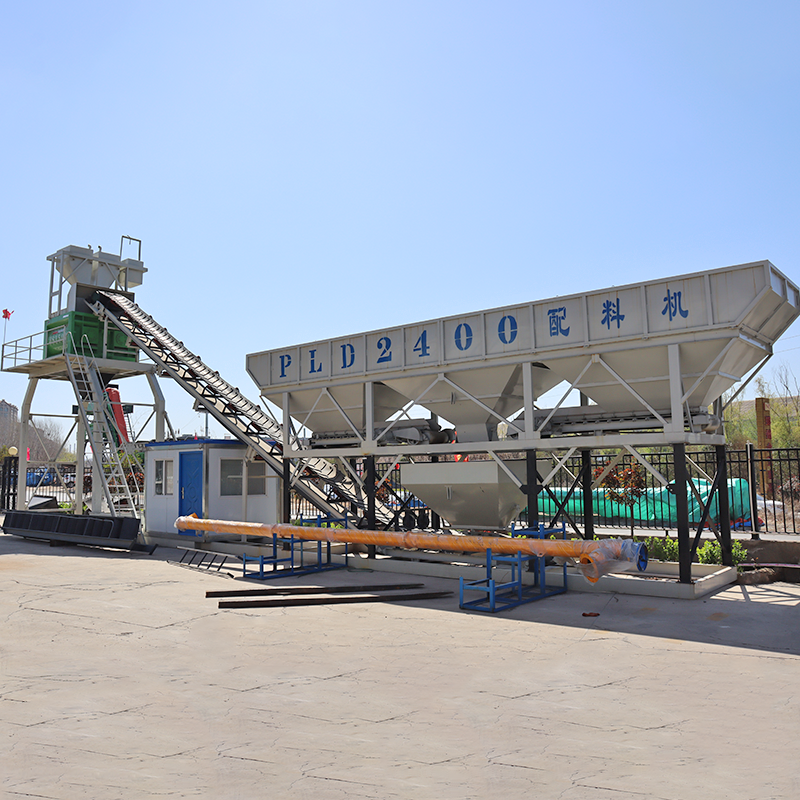
Precision Batch Control: Automated Weighing and Real-Time Proportioning
Eliminating human error with automated cement, aggregate, and water dosing
Today's concrete mixing facilities rely on advanced load cells and digital flow meters instead of old fashioned manual scales or timing based pouring methods when measuring out cement, aggregates, and water content. The automated systems help maintain precise formula specifications which cuts down on wasted materials somewhere around 15 to 20 percent while also preventing those annoying calculation mistakes that can actually weaken the final structure. Sensors built right into the equipment keep an eye on how wet the aggregates are and their overall density throughout production. This allows operators to tweak water addition rates as needed so the water to cement ratio stays exactly where it should be. What this means in practice is that every batch comes out with similar strength characteristics regardless of what might happen with tired workers, changing weather conditions, or gradual instrument inaccuracies over time.
Closed-loop feedback systems for dynamic mix correction and consistency assurance
The closed loop control system makes batching operations much smarter and able to correct itself automatically. Sensors placed under the material hoppers along with those electromagnetic flow meters running through the water pipes send real time information to the main PLC control panel. If something goes off track, say when the aggregate gets too wet beyond that 3% threshold, the whole system kicks in right away to adjust how much water is added and changes the mixing time accordingly. What this does is keep the concrete slump pretty much the same across batches, staying within half an inch variance, while making sure all the aggregates get fully coated with cement paste. These automated corrections stop problems like cold joints forming between pours, prevent those ugly honeycomb structures inside the concrete, and avoid aggregate segregation issues. The result? Concrete mixes that meet ASTM C94 standards for quality right from the start, so there's no need for extra testing after the fact or having to remix batches that don't pass inspection.
Key automation benefits:
- 17% reduction in material over-pour (Industry Analysis 2023)
- 99.8% batch formula compliance vs. 92% in manual operations
- Near-elimination of out-of-spec batches requiring disposal
Consistent Mixing Performance in the Concrete Mixer Plant
Mixer design, retention time, and agitation dynamics for uniform cement-aggregate coating
Getting consistent cement paste coverage throughout the mix is really what makes concrete strong and lasts longer. Twin shaft and planetary mixers work differently from regular drum mixers because they create these overlapping areas where the material gets sheared apart. These machines actually break down clumps and stop the ingredients from separating out, which is something old style drum mixers tend to do when they form balls of material. The mixing time stays around 60 to 90 seconds give or take. That's about right for getting everything mixed thoroughly without damaging the aggregates too much. With high torque agitation, the materials move in all directions, making sure each little bit gets coated properly with the slurry. Some systems even monitor how thick the mix is in real time and adjust blade speeds automatically if things start looking inconsistent. This kind of precise control makes a real difference in practice. Tests show concrete made this way can be 25 to 40 percent stronger than traditional methods, plus it maintains better consistency between batches regardless of weather conditions outside.
Raw Material Integrity: The First Line of Quality Control
Moisture-compensated aggregates, chloride-tested water, and certified admixtures
The foundation of good quality actually lays groundwork even before mixing begins. When it comes to aggregates, they need moisture compensation during weighing at the site itself. Integrated sensors take care of this by automatically subtracting any surface water present. This helps maintain that crucial water-cement ratio which directly affects how strong and properly cured the final product will be. For water sources, there's specific chloride ion testing following ASTM D4373 guidelines to stop problems with reinforcement corrosion down the line. And when sourcing admixtures, we only work with suppliers who meet ASTM C494 and C1017 certification requirements. These standards ensure predictable results regarding workability, setting time, and how well everything holds up over years of use. All these steps make up what many consider the absolute starting point for proper quality control measures. Looking at real world numbers makes this even clearer: construction projects that skip material certifications end up with roughly triple the defect rate compared to those that follow protocol. The financial impact is staggering too, with repairs costing around $1.2 million on average. So investing in verified materials isn't just about meeting specs it's also smart business sense in the long run.
Sustained Accuracy Through Calibration and Preventive Maintenance
Getting good results over time requires more than just fancy equipment — it takes real commitment too. The weighing systems need regular checks every three months against those official NIST standards. This helps catch any small shifts in sensors before they mess up the mix ratios for cement and aggregate beyond that 0.5% tolerance window. Alongside this routine calibration, there's also all sorts of other maintenance work that needs doing. Technicians inspect those mixer shaft seals on schedule, clean out hoppers where old stuff tends to harden and stick, and swap out conveyor belts or metering screws when they start showing wear signs. All these tasks are planned carefully so nothing breaks down unexpectedly during operation. When companies stick to this kind of maintenance approach, they typically see around 8% less wasted materials, their machines last between 30 to 40% longer, and each batch comes out consistently right even after thousands upon thousands of production runs — no matter what the workload looks like or how tough the conditions get.
FAQ
What is precision batch control?
Precision batch control involves automated systems that accurately measure and proportion ingredients like cement, aggregates, and water, ensuring consistency in concrete quality.
How do closed-loop feedback systems benefit concrete mixing?
Closed-loop systems automatically adjust based on real-time data, maintaining consistency in concrete slump and preventing defects like cold joints and aggregate segregation.
Why is raw material integrity crucial in concrete production?
Raw material integrity ensures the proper water-cement ratio and prevents issues like reinforcement corrosion, directly impacting the strength and longevity of concrete structures.
How does consistent mixing performance improve concrete quality?
Uniform mixing in designs like twin shaft and planetary mixers ensures thorough cement-sand coating, enhancing the strength and durability of the final concrete product.
What preventative measures are taken for sustained accuracy in concrete batching?
Regular calibration and maintenance checks ensure the reliability of equipment, reducing wastage and ensuring consistent batch quality over time.