
 EN
EN
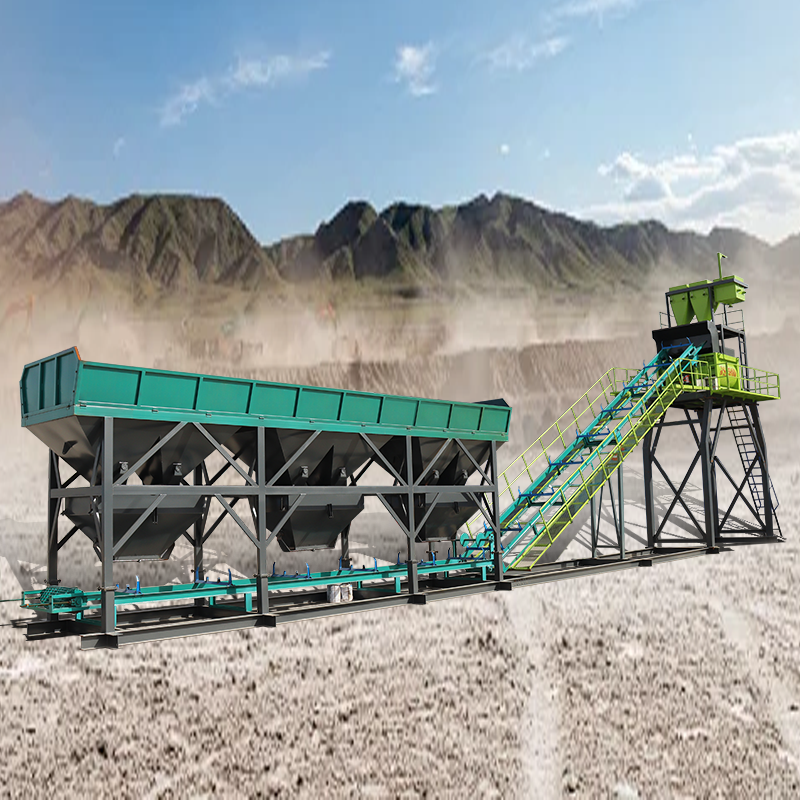
Rapid Mobility and Just-in-Time Deployment
How on-site relocation cuts project startup time by up to 65%
Mobile concrete mixer plants cut down on those frustrating week long waits we usually see with fixed installations because they show up ready to go with all their parts already tested and working. According to industry data released last year, construction crews can get these mobile units running about two thirds quicker when they just move them right into position at the job site itself. The reason? These machines come with built in transportation features and standard connections that skip over the whole process of laying foundations, connecting utilities, and waiting for permits that permanent setups require. Take something like fixing roads in remote areas or doing seasonal work on bridges for instance. When production happens close to where it's needed, companies save money on moving equipment around and maintain better control over concrete mix quality. This matters a lot since back when projects relied on long distance deliveries, the quality often suffered along the way.
Case study: Highway repair in rural Texas — 72-hour mobilization with a mobile concrete mixer plant
Storm damage hit a key highway corridor in West Texas and emergency repairs became absolutely necessary. The engineering team brought in a mobile concrete mixer plant to this remote spot within just three days flat. Without it, they'd have had to truck concrete over 120 miles from the closest fixed facility, which would be a nightmare in those 100 degree temperatures. Concrete would slump badly during transport and plenty would get wasted along the way. Setting up the mobile unit right next to where the work was happening made all the difference. Crews managed to mix around 1,400 cubic yards of concrete that met ASTM standards right there at the site. No need to worry about spoilage during transit anymore, plus they saved themselves five whole days waiting for temporary plants to get going. Looking at the bigger picture, this strategy shaved off twelve days from the entire project timeline and knocked down fuel usage by something like 18,000 gallons compared to what it would have cost if they'd relied solely on trucks.
Cost Efficiency for Short-Term & Small-Scale Projects
CapEx vs. OpEx: Mobile concrete mixer plant versus rented stationary alternatives for <6-month jobs
When dealing with construction projects lasting less than six months, mobile concrete batching plants can really change what companies spend money on. The old school approach with fixed plants needs a lot of upfront cash for installation and taking everything down later. Renting those traditional setups usually comes with extra costs that aren't obvious at first glance, such as paying for transportation and getting the site ready properly. Mobile batching solutions solve many of these problems because they're built to be moved around easily. These units come on their own trailers and can be set up within just two days most of the time. According to recent industry reports from the American Concrete Institute released in 2023, businesses typically save between 40% and 60% on mobilization expenses when switching to this mobile alternative for their batching needs.
Let's look at what happens during a typical four month bridge repair job. When contractors rent stationary mixing plants, they need to do all sorts of groundwork first plus bring in those big mixer trucks separately. This creates problems because workers end up waiting around while the concrete makes its way from one place to another. Mobile batching plants solve this issue completely since they mix right there on site, so no more wasting time waiting for deliveries. According to several project managers we've spoken to, labor expenses drop by about thirty percent when crews don't have to sit idle for extended periods. Sure, the cost per cubic meter might be slightly higher with mobile units, but there's absolutely no waste during transportation and nobody has to extend equipment rentals when bad weather hits. Take for instance a recent highway construction where switching to mobile concrete mixing saved them roughly eighteen thousand dollars every single month compared to traditional stationary rentals.
Agile Adaptation Across Challenging Project Environments
When it comes to tricky job sites where regular batching equipment just can't cut it, mobile concrete mixers are game changers. These units pack everything into a smaller space thanks to their self-contained setup, making them perfect for tight city spaces, areas hit by disasters needing quick fixes, or out-of-the-way construction projects without proper power connections. The real advantage? No waiting around for trucks to bring materials from far away or dealing with restricted access issues that plague fixed mixing stations. Contractors find themselves saving time across several key situations, which makes all the difference when deadlines loom large.
- Mixed-use developments: Tight urban footprints with phased construction demands
- Disaster recovery: Immediate concrete production amid compromised infrastructure
- Remote infrastructure: Off-grid operation for bridges, pipelines, or mining sites
Resolving the cost paradox: Higher per-cubic-meter rate offset by zero transit spoilage and eliminated labor idle time
Mobile mixing units do cost around 10 to 15 percent more per cubic meter compared to traditional central plants. But this extra expense disappears once we factor in those hidden costs nobody talks about. For starters, there's all that wasted concrete during transportation. Studies show anywhere from 3 to 7% gets lost just moving it around. And then there are those frustrating delays. Construction teams spend between 2 and 4 hours every day stuck waiting for their concrete deliveries to arrive. When we put these together, most construction sites actually save money in the long run. We're talking about real savings of 12 to 18% overall for projects where getting materials to remote locations becomes such a headache.
FAQ
What are the benefits of using mobile concrete mixer plants?
Mobile concrete mixer plants allow for rapid deployment, reduce startup time by up to 65%, and save transportation and labor costs. They provide quality control by mixing on-site, thus minimizing transportation delays and spoilage.
How do mobile mixer plants benefit short-term projects?
They reduce upfront investment and ongoing operational costs by being easily transportable and quick to set up, making them particularly beneficial for projects lasting less than six months.
What challenges can mobile concrete mixers overcome?
They are ideal for use in urban areas with limited space, disaster recovery sites, and remote locations with limited infrastructure, providing quick and efficient operation where traditional batching plants are unsuitable.