
 EN
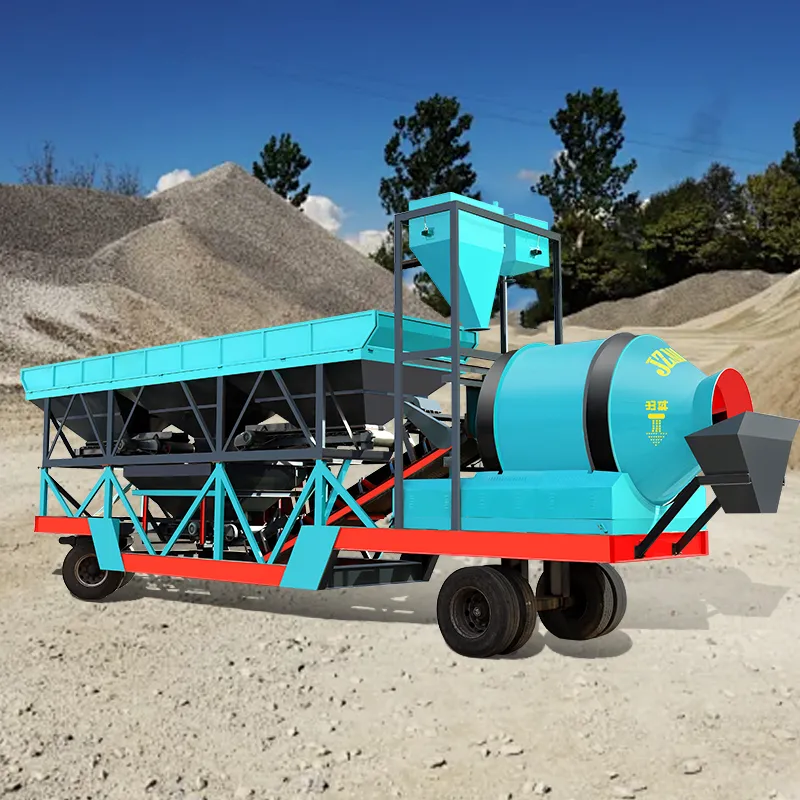
Installing and commissioning a concrete mixer plant requires careful planning, technical expertise, and adherence to industry standards. Whether you're establishing a new ready mix concrete production facility or upgrading existing infrastructure, understanding the installation process is critical to achieving operational efficiency and long-term cost savings. A properly commissioned concrete batching plant ensures consistent quality output, minimizes downtime, and maximizes your return on investment.
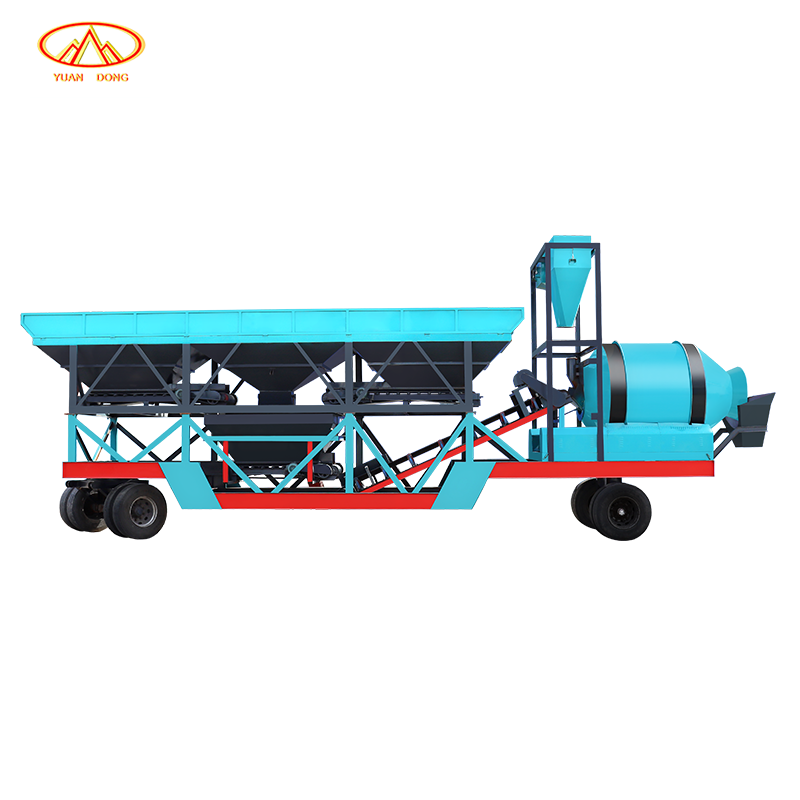
The commissioning phase transforms a delivered system into a fully operational production asset. This process involves site preparation, equipment installation, system testing, calibration, and staff training. Understanding each stage helps prevent costly delays and ensures your concrete batching plant meets design specifications from day one. This comprehensive guide walks through the entire installation and commissioning workflow for concrete batching operations.
Pre-Installation Planning and Site Assessment
Foundation and Layout Requirements
Before equipment arrives, conduct a thorough site assessment to determine the optimal location for your portable concrete mixer specifications compliance. The foundation must support the total weight of aggregates, cement, water, and the equipment structure itself. Most concrete mixer plants require a level surface with adequate drainage to prevent water accumulation. Site layout should facilitate raw material delivery, finished concrete dispatch, and maintenance access without unnecessary congestion or safety hazards.
Determine the ready mix concrete production capacity you need, as this directly influences the footprint and utility requirements. Larger production facilities demand more space for material stockpiles, additional storage silos, and loading areas. Electrical supply must be verified to support motor power requirements, often ranging from 30 kW to over 500 kW depending on plant size. Water supply and drainage systems should be planned to accommodate mixing requirements and washout operations without environmental impact.
Utility Infrastructure and Safety Systems
Electrical connections require professional installation with proper grounding, circuit protection, and compliance with local regulations. Three-phase power is standard for most commercial concrete batching plant installations, with backup power considerations for critical operations. Pneumatic and hydraulic systems need dedicated supply lines with appropriate pressure regulators and safety cutoffs. Fire suppression systems, emergency stops, and operator safety features must be installed and tested before commissioning begins.
Environmental compliance is increasingly important for concrete batching operations. Install dust collection systems, water filtration equipment, and containment structures to minimize environmental impact. Check local regulations regarding noise levels, emission standards, and waste management. These systems contribute to both regulatory compliance and the long-term sustainability of your ready mix concrete production facility. Planning these elements during site assessment prevents expensive retrofitting later.
Equipment Installation and Component Assembly
Concrete Mixer Plant Component Installation
The concrete mixer plant installation begins with positioning the main mixing drum or twin-shaft mixer on the prepared foundation. Precision alignment is essential for balanced operation and extended equipment lifespan. Secure all major components using anchor bolts rated for vibration loads, as improper fastening causes misalignment and premature wear. The aggregates hopper, cement silo, water tank, and additive dispensing systems must be positioned for efficient material flow without bottlenecks during production cycles.
Conveyor systems and bucket elevators require careful alignment to ensure material moves smoothly through the batching sequence. Belt tension must be set according to manufacturer specifications to prevent slipping while avoiding excessive bearing loads. Chute angles should optimize flow without material segregation or bridging. Motor couplings, pulleys, and drive shafts need accurate alignment verified with precision instruments. Any deviation from design specifications during installation directly impacts the portable concrete mixer specifications performance and ready mix concrete production capacity.
Control Systems and Sensor Integration
Modern concrete batching plants rely on automated control systems with multiple sensors for accuracy and safety. Install weighing sensors under aggregate hoppers, cement bins, and water tanks with careful calibration to ensure batch precision within tolerance limits. Load cells must be electrically isolated and shielded against electromagnetic interference from power lines and motors. Temperature sensors, flow meters, and slump measurement devices integrate into the central control unit, which orchestrates the entire mixing sequence.
Programmable logic controllers (PLCs) coordinate all plant functions, from material batching to discharge sequencing. Backup battery systems maintain critical data if power interrupts unexpectedly. Safety interlocks prevent hazardous operations, such as starting conveyors with open gates or mixing with unclosed drum lids. During installation, all electrical connections should follow a detailed schematic with proper cable routing, grounding verification, and circuit labeling for maintenance technicians.
Commissioning Procedures and Performance Verification
System Testing and Calibration
Commissioning formally begins with a complete systems check to verify that all components respond correctly to control signals. Run each motor independently under no-load conditions to confirm rotation direction, bearing temperature, and vibration levels. Test all safety devices, emergency stops, and alarm systems to ensure operator protection. Calibrate weight sensors using certified standard weights in incremental loads, documenting readings to verify linear response across the full measurement range.
Batch accuracy is fundamental to ready mix concrete production capacity achievement and customer satisfaction. Conduct multiple trial batches with known material weights, comparing displayed values to actual batch composition. Adjust sensor calibration and control software parameters until batch weights consistently meet specifications within industry-standard tolerances, typically ±1% to ±3% depending on material. Document all calibration records for regulatory compliance and future maintenance reference. This phase often reveals minor installation issues that require adjustment before full production begins.
Production Trials and Concrete Quality Assessment
After successful system calibration, produce trial concrete batches to verify quality metrics and mixing consistency. Monitor slump, air content, compressive strength, and workability to confirm that the concrete mixer plant delivers specifications-compliant product. Test batches from different loading sequences and ingredient combinations to ensure uniform quality regardless of production variables. This validation demonstrates that the portable concrete mixer specifications have been achieved and that the ready mix concrete production capacity meets design expectations.
Assess concrete batching plant maintenance cost implications by monitoring equipment performance during trials. Record cycle times, power consumption, and any anomalies requiring service attention. These baseline metrics establish preventive maintenance schedules and help predict future repair costs. Efficient operation during commissioning trials indicates proper installation and configuration. Any performance shortfalls during this phase should be addressed immediately through adjustment, repair, or component replacement before commercial production begins.
Staff Training and Documentation
Comprehensive operator training ensures that personnel understand the concrete mixer plant control systems, safety procedures, and troubleshooting protocols. Training should cover routine startup sequences, batch programming, equipment shutdown, and response to alarm conditions. Operators need to recognize normal operating parameters so they can identify and report deviations that indicate maintenance needs. Written standard operating procedures in the local language, supported by visual aids, help ensure consistent plant operation across all shifts.
Maintenance staff require specialized training on equipment inspection, preventive service tasks, and common repair procedures. Provide detailed equipment manuals, parts catalogs, parts sourcing information, and warranty documentation. Document all calibration settings, electrical schematics, and control system configurations for future reference. A comprehensive commissioning report should summarize all tests performed, results achieved, adjustments made, and recommendations for ongoing operation. This documentation becomes invaluable when diagnosing future issues or training replacement personnel.
Post-Commissioning Optimization and Maintenance Planning
Performance Monitoring and Adjustment
After commencing production, monitor the concrete batching plant performance continuously during the first weeks of operation. Track batch consistency, cycle times, and any equipment behavior that deviates from commissioning expectations. Minor adjustments to conveyor speeds, sensor calibration, or control logic may be necessary as equipment settles into production rhythms. Establish baseline data for daily operation to quickly identify performance changes that signal maintenance needs.
Document concrete batching plant maintenance cost data from the beginning of operation to establish realistic budgets and identify trends. Preventive maintenance reduces emergency breakdowns that disrupt production and increase overall operating costs. Regularly inspect conveyor belts, motor bearings, and mixing chamber surfaces for wear. Clean aggregates hoppers, cement silos, and water tanks to prevent material buildup that reduces capacity or contaminates batches. Proper maintenance discipline extends the life of the concrete mixer plant and optimizes the ready mix concrete production capacity over the facility's operational lifetime.
Continuous Improvement and Scaling
Use operational data collected during the first months to identify opportunities for improving efficiency and reducing costs. Analyze batch cycle times relative to theoretical capacity to determine if equipment operates at design specifications. Review ready mix concrete production capacity utilization and customer delivery patterns to inform capacity planning decisions. If demand exceeds current capability, upgrade the concrete mixer plant with larger mixer drums, additional material hoppers, or parallel production lines.
Benchmark your portable concrete mixer specifications performance against industry standards and competitor offerings. Participate in quality certification programs and maintain documentation of consistent compliance. Customer feedback on concrete quality guides any formulation adjustments or equipment modifications. Long-term success depends on maintaining commissioningstandards through disciplined operation and proactive maintenance. This ongoing commitment to excellence ensures your investment in concrete batching infrastructure delivers sustained competitive advantage and profitability.
FAQ
What are the typical timeline requirements for concrete mixer plant installation and commissioning?
Installation and commissioning typically require 2 to 8 weeks depending on plant complexity, site conditions, and utility availability. Simple portable concrete mixer systems may be operational within 2 to 3 weeks, while large fixed plants with complex automation can take 6 to 8 weeks. Site preparation, equipment delivery coordination, and regulatory inspections can extend timelines. Scheduling should account for potential delays due to weather, material availability, or technical issues discovered during testing phases.
How does ready mix concrete production capacity relate to concrete batching plant equipment sizing?
Ready mix concrete production capacity is determined by the mixer drum volume, batch cycle time, and operating hours per day. For example, a 2 cubic meter mixer completing cycles every 3 minutes produces approximately 40 cubic meters per hour. Equipment sizing depends on market demand, transport logistics, and available space. Portable concrete mixer specifications must be matched to your target market's concrete volume requirements to ensure profitability. Oversizing increases initial investment and operating costs, while undersizing limits revenue potential.
What ongoing costs should be budgeted for concrete batching plant maintenance?
Concrete batching plant maintenance cost typically ranges from 3% to 5% of equipment purchase price annually, including routine service, repairs, and parts replacement. Major components like mixer drums, bearings, and conveyor belts have predictable replacement cycles. Fuel, electricity, and water represent additional operating expenses. Preventive maintenance programs reduce emergency repair costs significantly. Budget should include spare parts inventory, trained maintenance staff, and annual calibration services to maintain accurate batching and quality compliance.