
 EN
EN
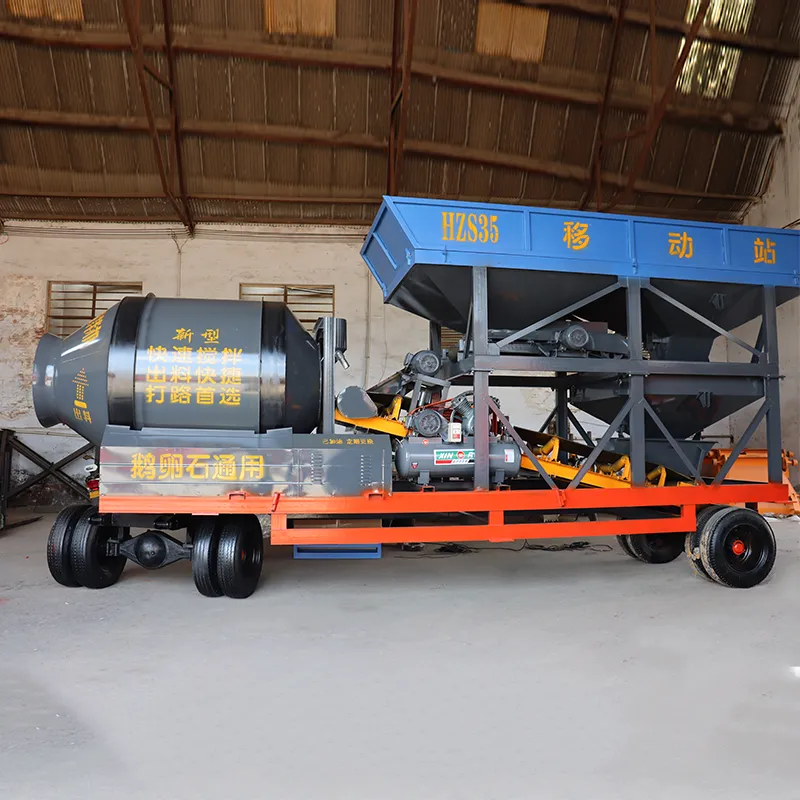
Selecting the right concrete mixer plant is one of the most critical decisions in construction planning. The scale of your project directly determines whether you need a small, portable operation or a large-capacity production facility. Small projects such as residential repairs, minor structural work, or local commercial jobs require different equipment specifications than major infrastructure developments, highway construction, or large-scale commercial complexes.
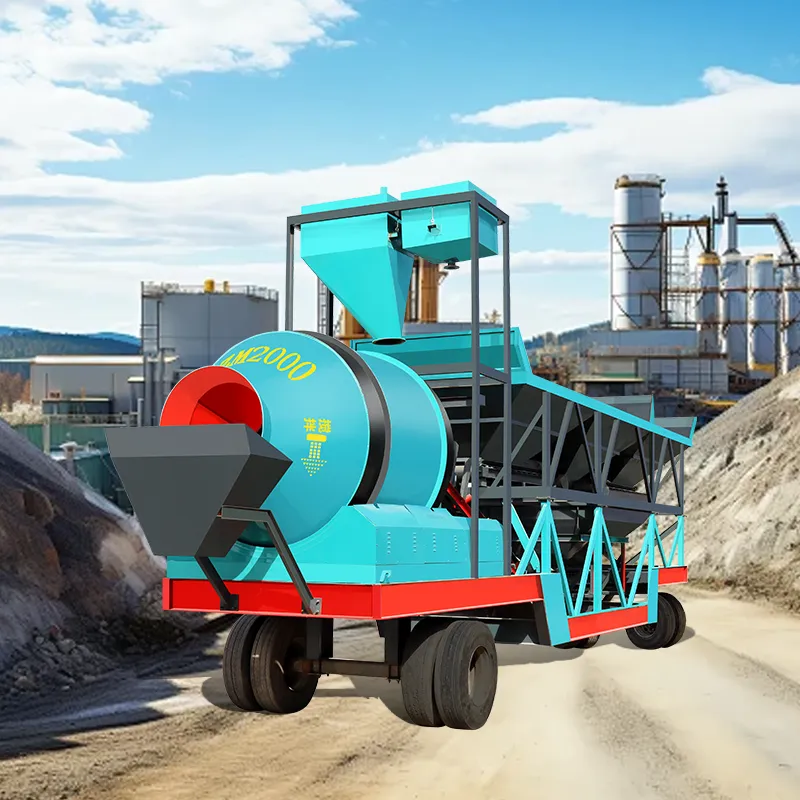
Understanding the differences between these equipment categories helps you avoid over-investment in unused capacity or under-investment in insufficient output. Ready mix concrete production efficiency depends on matching your equipment choice to actual project demands, budget constraints, and site logistics. This guide explores the key distinctions between small and large concrete batching plant systems, helping you make an informed decision based on concrete batching plant capacity requirements and operational goals.
Understanding Concrete Batching Plant Capacity Requirements
Defining Plant Size and Output Categories
Concrete batching plant capacity is typically measured in cubic meters per hour of output. Small systems generally produce between 25 to 60 cubic meters per hour, making them suitable for localized work or intermittent production schedules. Medium-range plants operate at 60 to 120 cubic meters per hour, while large industrial operations exceed 150 cubic meters per hour. The concrete batching plant capacity you select should align with your project timeline, crew size, and demand consistency rather than merely purchasing the largest available unit.
Project Scale and Production Demands
Small projects typically involve fewer tons of concrete required daily. A residential foundation, minor bridge repair, or localized road work might need 30 to 100 cubic meters total, spread across several weeks or months. In contrast, large projects demand consistent daily output. A major dam project, highway network expansion, or industrial complex might require 200 to 400 cubic meters per day for months or years. Your concrete mixer plant selection must reflect these production volumes and the frequency at which concrete is needed on-site.
Portable Concrete Mixing Equipment for Small Operations
Advantages of Portable Mixing Systems
Portable concrete mixing equipment offers flexibility, mobility, and reduced capital investment for small-scale projects. These units can be transported on standard trucks and set up quickly at various job sites without permanent foundation requirements. For small projects with multiple locations or temporary site conditions, portable concrete mixing equipment eliminates the need for permanent installations. Setup time is minimal, typically 2 to 4 hours, allowing your project to begin production sooner. Operating costs remain lower because fuel consumption and maintenance demands scale with the smaller production volume.
Operational Constraints and Suitable Project Types
Portable units work best for projects requiring predictable, moderate concrete volumes. Residential construction, small commercial buildings, utility repairs, and localized road maintenance all benefit from this approach. However, portable concrete mixing equipment becomes inefficient when production demands exceed 60 to 80 cubic meters daily or when the project runs for extended periods. Frequent relocation increases labor costs and downtime, and smaller mixing cycles may not fully optimize batch consistency. Sites with severe space constraints or difficult terrain may also limit portable equipment deployment effectiveness.
Large-Scale Ready Mix Concrete Production Systems
Stationary Plant Architecture and Capacity
Large ready mix concrete production facilities feature permanent or semi-permanent installation with dedicated foundations, extensive ingredient storage, advanced control systems, and high-throughput mixing technology. These plants serve multiple ongoing projects simultaneously, often supplying ready mix concrete via truck distribution networks. Concrete batching plant capacity in industrial operations typically ranges from 120 to 240 cubic meters per hour, with flagship installations exceeding 300 cubic meters hourly. The investment in large infrastructure pays dividends over extended project lifecycles or when serving multiple nearby construction operations continuously.
Economic and Operational Advantages
Large ready mix concrete production systems achieve superior cost efficiency per cubic meter due to volume purchasing of raw materials, optimized workflow, and consistent equipment utilization. Quality control improves through automated dosing, real-time monitoring, and laboratory testing integration. Ready mix concrete production at scale enables specialized services such as fiber reinforcement, self-consolidating concrete, or custom admixture blending. Projects requiring high-strength concrete, rapid-set formulations, or precise consistency specifications benefit from the technological sophistication of large industrial plants. Infrastructure projects, mass housing developments, and continuous production demands justify the substantial capital and operational overhead.
Key Comparison Factors in Equipment Selection
Budget and Capital Investment Analysis
Portable concrete mixing equipment typically costs between 40,000 to 150,000 USD depending on capacity and features, making it accessible for smaller contracting firms. Large stationary concrete batching plants require investments exceeding 500,000 USD and often reaching 2 million USD or more, limiting ownership to major producers or large-scale project developers. However, lifecycle cost analysis matters significantly. A small project lasting 6 months might spend 15,000 to 25,000 USD renting portable equipment including transportation, while purchasing permanently dedicated equipment for a large operation distributes costs across years of profitable production.
Site Conditions and Logistics Planning
Small projects with limited space, difficult terrain, or multiple job sites strongly favor portable concrete mixing equipment solutions. Large projects with stable, spacious sites and sustained production demands benefit from permanent ready mix concrete production infrastructure. Consider concrete delivery distance, truck traffic patterns, and worker safety. Portable units reduce transportation complexity for distributed small projects. Large facilities need established logistics networks including dedicated mixer truck fleets, quality control labs, and operational staff trained for sophisticated equipment management.
FAQ
What concrete batching plant capacity do I need for a small residential project?
For residential projects like single-family homes or small apartment buildings, a concrete mixer plant producing 30 to 50 cubic meters per hour is typically sufficient. Most residential foundations require 50 to 300 cubic meters total concrete spread across several weeks. Portable concrete mixing equipment in this capacity range offers cost-effectiveness and flexibility without over-investing in unused production capability.
When is large ready mix concrete production worth the investment?
Large ready mix concrete production systems become economically justified when projects exceed 1,000 cubic meters total volume, require daily production for more than 3 to 6 months, or serve multiple simultaneous construction operations. Commercial developments, infrastructure projects, and continuous production environments generate sufficient concrete demand to amortize the substantial capital investment in permanent batching plant facilities.
Can portable concrete mixing equipment handle high-specification concrete formulations?
Modern portable concrete mixing equipment can produce most standard concrete mixes, but large ready mix concrete production plants offer superior capability for specialized formulations requiring precise dosing, admixture integration, or custom fiber reinforcement. If your small project demands high-performance concrete, verify the portable unit's technological features or consider sourcing ready mix deliveries from nearby industrial plants instead.