
 EN
EN
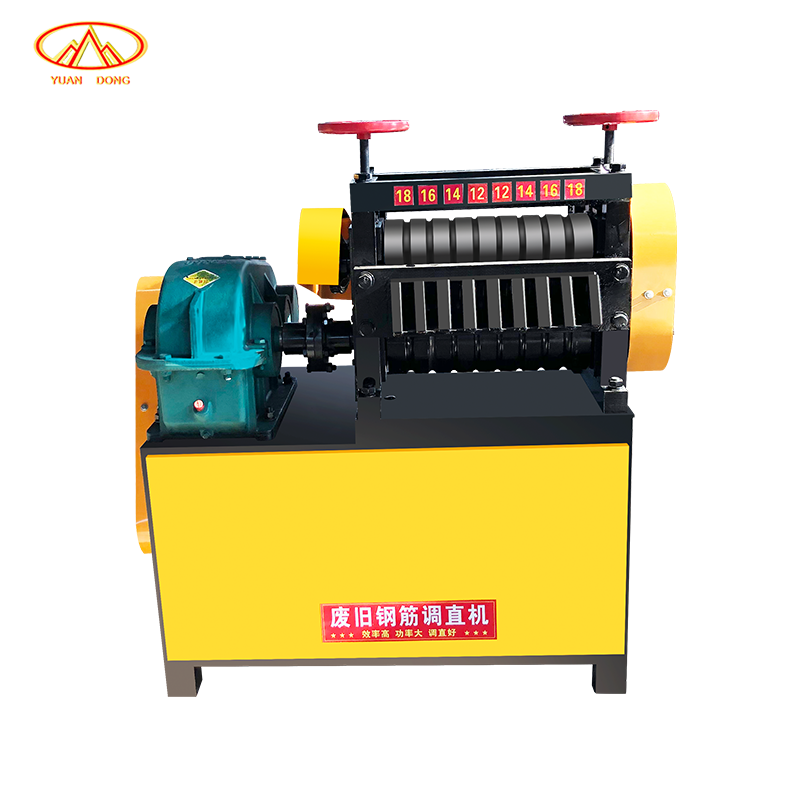
Selecting the right waste steel bar straightening machine is a critical decision for any construction or steel processing operation. The efficiency and accuracy of your equipment directly impact production timelines, material costs, and workforce safety. A waste steel bar straightening machine that matches your operational requirements can streamline production, reduce waste, and improve profitability. Understanding the key factors involved in choosing the right waste steel bar straightening machine helps you avoid costly mistakes and ensures your investment delivers lasting value.
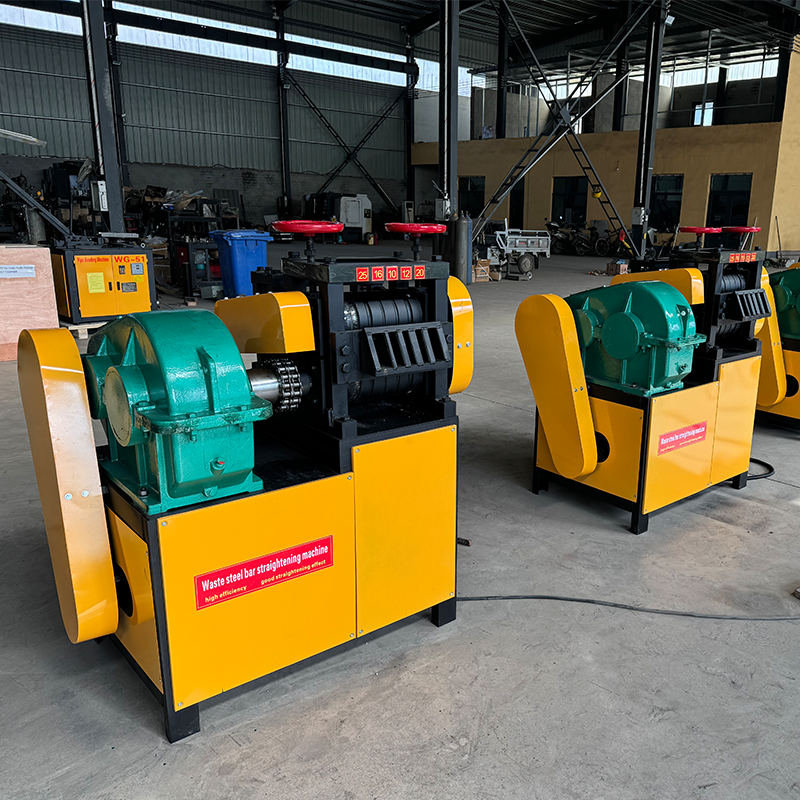
The construction industry relies heavily on properly straightened rebar and steel reinforcement materials. When a waste steel bar straightening machine fails to perform, your entire project timeline suffers. Material inconsistencies, production downtime, and rework expenses compound quickly. Modern waste steel bar straightening machine technology has evolved significantly, offering operators multiple configuration options, automation levels, and precision standards. Your choice determines whether you gain a competitive advantage or face recurring operational friction.
Understanding Your Material and Production Volume Requirements
Assessing Your Steel Bar Specifications
The first step in choosing a waste steel bar straightening machine involves understanding the diameter, length, and material grade of the steel bars you process. Different waste steel bar straightening machine models handle specific diameter ranges, typically from 8mm to 25mm or larger depending on capacity. When you select a waste steel bar straightening machine, verify that its rollers and guides accommodate your standard bar dimensions. Mismatched specifications force you to purchase multiple machines or compromise on straightness accuracy. Material hardness also affects machine selection—recycled waste steel often has inconsistent composition, requiring a waste steel bar straightening machine with adjustable pressure settings and robust bearing systems.
Matching Machine Capacity to Production Demand
Production volume determines whether you need a compact waste steel bar straightening machine or a high-throughput industrial model. A small-scale operation might process 5–15 tons daily, while larger fabrication shops require 40–60 tons per shift. When evaluating a waste steel bar straightening machine, calculate your peak hourly demand and compare it against the machine's rated cycles per minute. A waste steel bar straightening machine undersized for your volume creates production bottlenecks and overtime labor costs. Conversely, oversizing your equipment wastes capital and floor space. Many producers find that a mid-range waste steel bar straightening machine with modular upgrades offers better long-term flexibility than purchasing fixed-capacity equipment.
Evaluating Precision, Consistency, and Operator Safety Features
Straightness Tolerance and Repeatability Standards
Precision straightening is non-negotiable in construction applications. A quality waste steel bar straightening machine maintains tolerances within 2–5mm over standard bar lengths, ensuring that rebar seats correctly in structural frameworks. Inconsistent straightness from a poorly chosen waste steel bar straightening machine causes misalignments, labor rework, and potential structural integrity concerns. Modern waste steel bar straightening machine designs incorporate dual-roller systems with calibrated pressure points that adapt automatically to minor material variations. When you evaluate a waste steel bar straightening machine, request test runs with your actual waste material samples. This real-world assessment reveals whether the machine delivers consistent results under your specific conditions.
Safety Features and Operator Protection
Workplace safety directly influences your choice of waste steel bar straightening machine. Models with automatic feed mechanisms, light curtains, and emergency stop buttons reduce pinch-point injuries and operator fatigue. An older or poorly maintained waste steel bar straightening machine poses continuous hazard exposure. Modern waste steel bar straightening machine options include hydraulic pressure relief systems, protective guards, and digital monitoring displays that alert operators to mechanical issues before failure. Investing in a waste steel bar straightening machine with comprehensive safety features lowers workers' compensation claims, reduces downtime from incidents, and improves team morale. Many fabricators find that safer machines also increase operator confidence and production speed.
Maintenance Requirements, Service Support, and Total Cost of Ownership
Understanding Maintenance Intervals and Service Availability
The true cost of a waste steel bar straightening machine extends far beyond the purchase price. Maintenance frequency, spare parts availability, and service technician access dramatically affect your operating expenses. A well-engineered waste steel bar straightening machine requires bearing changes every 6–12 months and occasional hydraulic fluid updates. Conversely, a poorly designed waste steel bar straightening machine may need roller replacement every 2–3 months, creating constant supply chain delays. When selecting a waste steel bar straightening machine, verify that the manufacturer maintains local inventory for critical components and offers responsive technical support. Regional distributors of reliable waste steel bar straightening machine brands typically provide same-week parts delivery and on-site troubleshooting, minimizing your production downtime.
Calculating Long-Term Return on Investment
Choosing a waste steel bar straightening machine requires comparing total cost of ownership across 5–10 years, not just upfront price. A premium waste steel bar straightening machine with lower maintenance demands often costs less overall than a discount model requiring frequent repairs. Factor in energy efficiency—hydraulic systems consume 3–5 kW continuously, so selecting an efficient waste steel bar straightening machine reduces monthly utility bills. Labor productivity gains from a faster, more reliable waste steel bar straightening machine further amplify savings. Calculate the payback period by dividing the total machine investment by annual operational cost reductions. Most operations find that a mid-to-premium waste steel bar straightening machine achieves ROI within 18–36 months through reduced downtime, lower scrap rates, and higher throughput.
Integration with Your Existing Workflow and Scalability Considerations
Compatibility with Current Equipment and Space Constraints
Before purchasing a waste steel bar straightening machine, assess how it fits into your existing production line. Floor dimensions, ceiling height, electrical infrastructure, and hydraulic connections must align with your facility layout. A waste steel bar straightening machine that requires custom mounting or extended lead times for installation delays your entire project. Modular waste steel bar straightening machine designs allow phased installation and reduce disruption to ongoing operations. Consider whether your current operators need retraining for a new waste steel bar straightening machine model, as unfamiliar controls increase error rates during the transition period. Many fabricators choose a waste steel bar straightening machine that integrates with existing material handling systems, such as conveyor feeds or robotic arms, to maximize efficiency gains.
Future Growth and Equipment Upgrade Pathways
Your business may grow, requiring higher production speeds or expanded diameter ranges. A scalable waste steel bar straightening machine platform allows component upgrades—such as faster motors, wider roller sets, or enhanced control systems—without complete replacement. When evaluating options, choose a waste steel bar straightening machine from a manufacturer known for backward-compatible improvements. This approach protects your capital investment and positions you to meet future market demands. A rigid, single-configuration waste steel bar straightening machine becomes obsolete quickly if your production needs evolve. Forward-thinking producers invest in a waste steel bar straightening machine that supports today's volume while accommodating tomorrow's growth.
FAQ
What diameter range should a waste steel bar straightening machine handle for typical construction projects?
Most construction applications require a waste steel bar straightening machine capable of processing bars from 8mm to 25mm diameter. However, verify your exact material specifications before purchasing. Some specialized waste steel bar straightening machine models handle larger diameters up to 40mm or small sizes down to 6mm. Always confirm your primary bar sizes and select a waste steel bar straightening machine optimized for those dimensions to ensure both precision and efficiency.
How often should operators perform maintenance on a waste steel bar straightening machine?
A quality waste steel bar straightening machine typically requires routine checks weekly and deeper maintenance every 6–12 months, depending on usage intensity. Daily inspections should focus on roller alignment, pressure gauge readings, and hydraulic fluid levels. Scheduled maintenance for a waste steel bar straightening machine includes bearing lubrication, filter replacement, and roller surface inspection. Neglecting maintenance shortens waste steel bar straightening machine lifespan and increases failure risk. Follow the manufacturer's maintenance schedule strictly to maximize equipment longevity and performance.
Can a single waste steel bar straightening machine handle variable material grades?
Yes, most modern waste steel bar straightening machine models accommodate variable material grades through adjustable roller pressure and speed settings. However, hardness variations in recycled waste steel may require pressure recalibration between batches. A versatile waste steel bar straightening machine with digital controls simplifies these adjustments and reduces operator error. Before committing to a waste steel bar straightening machine, test it with samples of all material grades you typically process to confirm consistent straightness quality across your range.