
 EN
EN
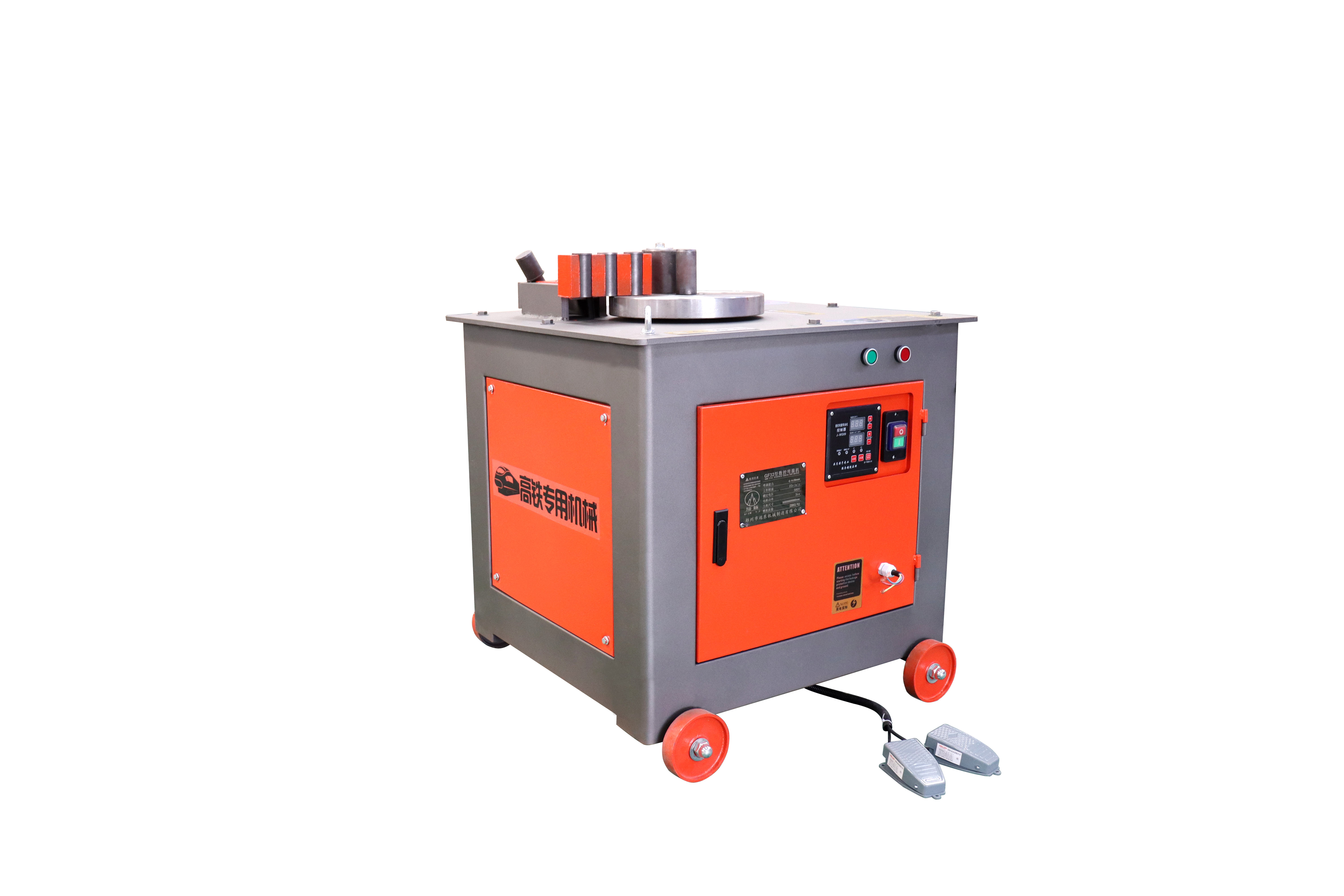
A steel bar hoop bending machine is a critical piece of equipment in construction and steel fabrication operations. Proper maintenance of your steel bar hoop bending machine directly impacts productivity, safety, and the quality of bent reinforcement bars. Without consistent care, even the most robust steel bar hoop bending machine can experience premature wear, hydraulic failures, and mechanical breakdowns that halt production schedules. Understanding how to maintain a steel bar hoop bending machine ensures your investment remains operational and efficient for years to come.
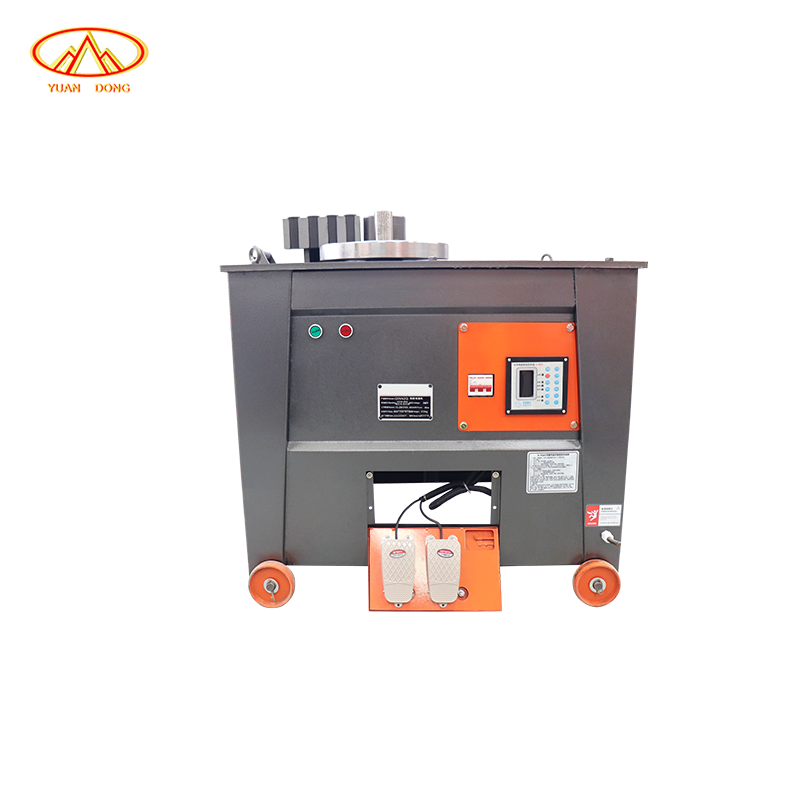
Regular maintenance schedules and preventive inspections transform how long your steel bar hoop bending machine remains dependable. Industrial facilities that adopt structured maintenance protocols experience fewer unexpected equipment failures and reduced downtime costs. The steel bar hoop bending machine operates under significant hydraulic and mechanical stress, making routine care not just beneficial but essential for sustained performance and worker safety.
Hydraulic System Maintenance for Steel Bar Hoop Bending Machines
Checking and Changing Hydraulic Fluid
The hydraulic system forms the operational heart of every steel bar hoop bending machine. Quality hydraulic fluid ensures smooth pressure delivery, efficient bending cycles, and protection against internal component wear. Your steel bar hoop bending machine requires fluid checks at least weekly, and complete fluid changes should occur every 500 operating hours or annually, whichever comes first. Over time, hydraulic fluid degrades, accumulates contaminants, and loses its viscosity properties, reducing the performance of your steel bar hoop bending machine.
When servicing the hydraulic system of a steel bar hoop bending machine, always drain the reservoir completely and inspect for sludge or discoloration. Fill your steel bar hoop bending machine with the manufacturer-specified hydraulic fluid grade, as using incorrect fluid types can damage seals and reduce the efficiency of the machine. After refilling a steel bar hoop bending machine, operate it briefly at low pressure to purge trapped air from the hydraulic lines before full production use.
Inspecting Hydraulic Hoses and Fittings
Hydraulic hoses represent vulnerable points in any steel bar hoop bending machine system. Vibration, temperature fluctuations, and constant pressure cycles cause hoses to crack, leak, or become brittle over time on a steel bar hoop bending machine. Monthly visual inspections of all hydraulic lines connected to your steel bar hoop bending machine can reveal early signs of damage before catastrophic failure occurs. Look for visible cracks, oil seepage, or loose fittings that indicate your steel bar hoop bending machine needs immediate attention.
Replace any damaged hose immediately to prevent hydraulic loss and maintain safe operation of your steel bar hoop bending machine. Use high-quality replacement hoses rated for the pressure specifications of your steel bar hoop bending machine model. Properly torque all fittings after installation and check pressure readings to confirm your steel bar hoop bending machine hydraulic system operates within manufacturer specifications.
Mechanical Components and Structural Care
Lubrication of Moving Parts
Every steel bar hoop bending machine contains numerous pivot points, bearings, and sliding mechanisms that require regular lubrication to function smoothly. Insufficient lubrication accelerates wear on critical components of your steel bar hoop bending machine, leading to increased friction, heat generation, and eventual mechanical failure. Schedule lubrication tasks for your steel bar hoop bending machine every 250 operating hours using the lubricant type specified in your operator manual. Applying the correct lubricant grade keeps friction low and extends the service life of your steel bar hoop bending machine.
When lubricating a steel bar hoop bending machine, access all bearing housings, roller contacts, and arm pivot joints thoroughly. Over-lubrication of your steel bar hoop bending machine can be as harmful as under-lubrication, as excess lubricant attracts dust and debris that become abrasive. Wipe away excess lubricant after application, then operate your steel bar hoop bending machine briefly to distribute the lubricant evenly across internal surfaces.
Inspecting Bending Dies and Molds
The bending dies that shape reinforcement bars on a steel bar hoop bending machine experience constant contact stress and can develop cracks, flattening, or deformation. Inspect the working surfaces of all dies on your steel bar hoop bending machine weekly for visible damage or wear patterns that affect bend quality. A damaged die on your steel bar hoop bending machine produces inconsistent bend angles and compromises the structural integrity of the bent rebar. Replace worn or cracked dies promptly to maintain consistent output from your steel bar hoop bending machine.
Clean die surfaces on your steel bar hoop bending machine after each production shift to remove oil residue and metal particles that accumulate during bending operations. Storage of spare dies for your steel bar hoop bending machine in a dry, climate-controlled environment prevents rust and corrosion that compromise their service life. Keep detailed records of die replacement dates for your steel bar hoop bending machine to predict maintenance needs and plan inventory appropriately.
Electrical and Safety System Checks
Control Panel and Electrical Connections
The electrical control panel of a steel bar hoop bending machine coordinates all operating functions and safety interlocks that protect operators. Dust and moisture accumulation on control panels of a steel bar hoop bending machine can cause short circuits or erratic machine behavior. Clean the exterior and interior of your steel bar hoop bending machine control panel monthly using compressed air and appropriate electrical cleaning solvents. Inspect all cable connections to ensure they remain tight and free from corrosion that could interrupt power delivery to your steel bar hoop bending machine.
Loose electrical connections create fire hazards and can cause your steel bar hoop bending machine to malfunction unexpectedly during operation. Have a qualified electrician test the grounding systems on your steel bar hoop bending machine annually to verify safe electrical operation. Emergency stop buttons on your steel bar hoop bending machine should be tested monthly to confirm they function correctly and halt all machine motion immediately when activated.
Safety Features and Guarding
Protective guards and safety devices on a steel bar hoop bending machine prevent operator contact with moving components during normal operation. Check that all guard fasteners remain secure and that guards on your steel bar hoop bending machine have not shifted or been removed. Any damage to guards on your steel bar hoop bending machine must be repaired or replaced before the machine returns to service. Operator safety depends directly on the integrity of physical barriers surrounding your steel bar hoop bending machine work area.
Establish a maintenance log for your steel bar hoop bending machine that documents all service dates, parts replaced, and any issues encountered. This historical record helps identify recurring problems with your steel bar hoop bending machine and supports predictive maintenance planning. Train all operators on basic inspection procedures they can perform daily on your steel bar hoop bending machine to catch emerging problems before they escalate into major failures.
FAQ
How often should I perform maintenance on a steel bar hoop bending machine?
A steel bar hoop bending machine requires weekly visual inspections, monthly detailed inspections, and comprehensive maintenance every 500 operating hours or annually. Specific intervals depend on your steel bar hoop bending machine usage intensity and manufacturer recommendations. High-volume production operations using a steel bar hoop bending machine may need more frequent service than facilities with lighter usage patterns. Following the manufacturer's maintenance schedule ensures your steel bar hoop bending machine operates reliably and maintains warranty coverage.
What are signs that my steel bar hoop bending machine needs professional service?
Unusual noises, reduced bending force, hydraulic leaks, or inconsistent bend angles indicate your steel bar hoop bending machine requires professional evaluation. If your steel bar hoop bending machine produces bent bars with irregular shapes or varying radius measurements, internal component damage may be occurring. Contact authorized service technicians when your steel bar hoop bending machine exhibits performance changes, as delaying repairs can cause more extensive damage and higher repair costs. Emergency shutdowns activated on your steel bar hoop bending machine warrant immediate professional inspection before resuming production.
Can I perform all maintenance tasks on a steel bar hoop bending machine myself?
Basic maintenance tasks like cleaning, lubrication, and visual inspections can be performed by trained operators familiar with their steel bar hoop bending machine model. Complex tasks involving hydraulic system repairs, electrical work, or component replacement should be completed by certified technicians qualified on your steel bar hoop bending machine brand. Attempting advanced repairs without proper training risks damaging your steel bar hoop bending machine further and creates safety hazards. Consult your steel bar hoop bending machine manual to identify which tasks are appropriate for routine operator care versus specialized professional service.