
 EN
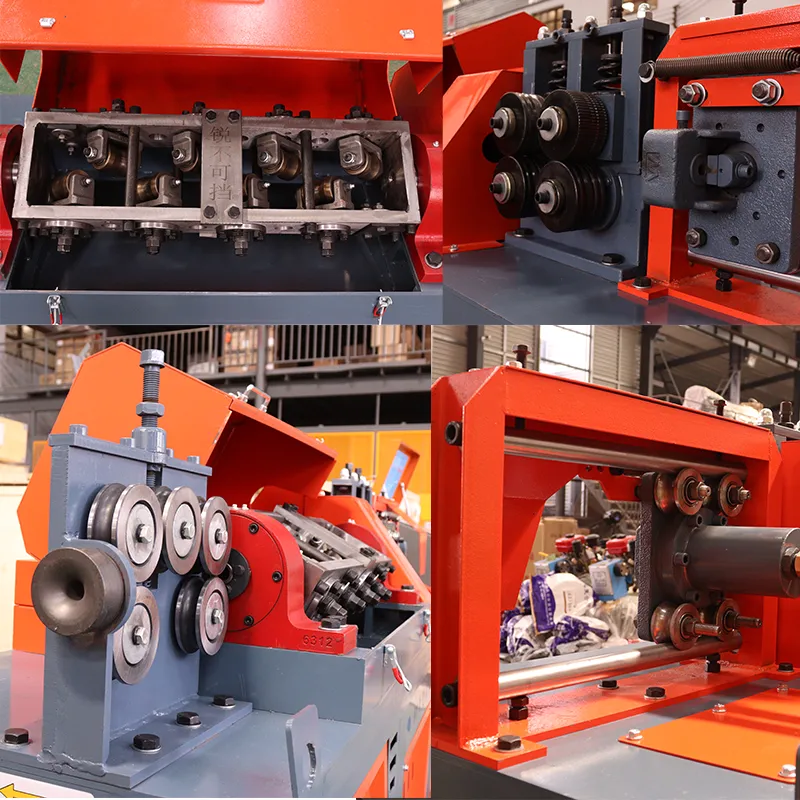
Steel bar cutting represents one of the most critical operations in construction, structural fabrication, and reinforcement work. The precision of your cuts directly impacts project timeline, material waste, worker safety, and structural integrity. Achieving consistent cutting accuracy depends on understanding how a rebar cutting machine operates, selecting the right blade technology, and matching equipment capabilities to your specific application requirements. This comprehensive guide explores the essential factors that drive cutting accuracy and helps you make informed blade and equipment decisions for your construction operations.
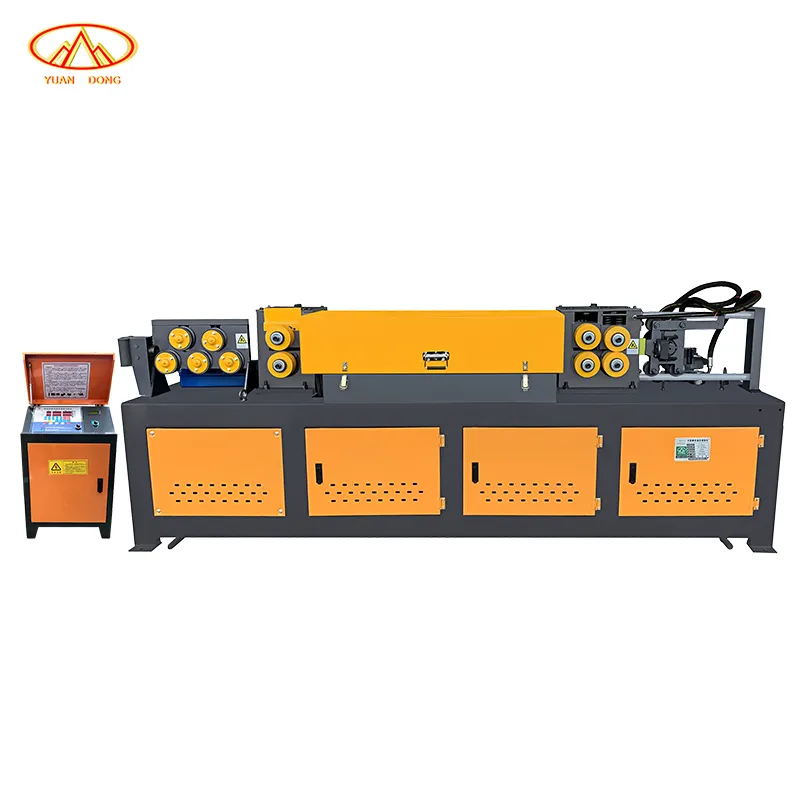
The relationship between blade selection and a rebar cutting machine's performance cannot be overstated. Different blade materials, tooth configurations, and cutting angles produce dramatically different results on various steel bar diameters and grades. Modern construction demands both speed and precision, making the science of blade selection as important as the machinery itself. Understanding these dynamics allows project managers and operators to optimize productivity while minimizing material loss and operational delays.
Understanding Rebar Cutting Machine Blade Technology
Blade Material Composition and Performance
A high-quality rebar cutting machine relies on blades engineered from specialized materials designed to withstand extreme stresses. High-speed steel blades offer excellent durability and maintain sharpness longer than conventional options, making them ideal for high-volume cutting operations. Carbide-tipped blades provide superior hardness and heat resistance, enabling faster cutting speeds with minimal blade degradation. The choice between these materials depends on your production volume, bar diameter range, and budget constraints. Each blade type performs differently under thermal and mechanical stress, directly affecting cutting accuracy and blade replacement frequency.
Tooth Design and Cut Quality
The tooth configuration of your rebar cutting machine blade fundamentally determines cutting precision and surface finish. Fine-tooth designs produce smoother cuts with minimal burring, essential for reinforcement bars destined for welding operations. Coarser tooth patterns cut faster but may create rough edges requiring secondary finishing. The rake angle, clearance angle, and tooth pitch must align with your rebar cutting machine specifications and material properties. Selecting the wrong tooth profile for your steel bar grade leads to increased vibration, reduced accuracy, and premature tool wear.
Achieving Optimal Cutting Accuracy with Your Equipment
Machine Calibration and Maintenance Protocols
Even the best blade cannot deliver precision without a properly calibrated rebar cutting machine. Regular maintenance schedules prevent blade wobble, misalignment, and mechanical drift that compromise cut accuracy. Blade tension, spindle runout, and cutting guide alignment must be verified weekly to maintain consistent results. Your rebar cutting machine requires annual comprehensive inspections including bearing condition assessment, drive belt tension verification, and electrical safety checks. Predictive maintenance—monitoring vibration, noise, and cutting temperature—identifies wear patterns before accuracy degradation occurs.
Operator Technique and Machine Settings
A rebar cutting machine's accuracy depends equally on operator expertise and machine capability. Proper material positioning ensures the bar contacts the blade perpendicularly, preventing angled cuts and dimensional errors. Feed rate adjustment protects blade integrity while maintaining cut precision; faster feeds generate heat that dulls blades and introduces cutting inaccuracy. Most modern rebar cutting machines feature adjustable speed controls and depth stops that enable consistent cuts across different bar sizes. Training operators on your specific rebar cutting machine model reduces variability and extends blade life significantly.
Selecting the Right Blade for Your Application
Steel Bar Diameter and Grade Considerations
Your rebar cutting machine must handle various bar diameters, from small-diameter reinforcement to heavy structural steel. Selecting the correct blade for each diameter range optimizes both accuracy and cutting speed. Smaller bars (8–16mm) require fine-tooth blades on precision-focused rebar cutting machines, while larger bars (25–40mm) demand robust blades with coarser teeth on heavy-duty equipment. High-strength steel grades (500MPa and above) require specialized blade compositions and lower feed rates than standard reinforcing bars. Matching your rebar cutting machine blade specifications to actual material properties prevents overheating, premature dulling, and loss of dimensional accuracy.
Production Volume and Cost-Benefit Analysis
High-production environments justify premium blade investments for a rebar cutting machine because extended blade life offsets higher initial costs. Low-volume operations may prioritize standard-grade blades despite shorter service life. The cost-per-cut metric—total blade cost divided by total cuts before replacement—determines true operational expense. Your rebar cutting machine investment and blade selection should align with projected annual cutting volume. Facilities cutting over 50,000 bars annually gain significant ROI from upgrading to carbide-tipped blades and semi-automatic systems compared to manual equipment.
Environmental and Operational Factors
Ambient temperature, humidity, and material storage conditions affect rebar cutting machine blade performance and accuracy. Moisture accelerates blade corrosion and reduces cutting precision in coastal or humid environments. Indoor, climate-controlled cutting facilities maintain superior accuracy compared to outdoor operations. Dust contamination reduces blade life dramatically, requiring regular cleaning of your rebar cutting machine cutting guides and blade surfaces. Steel bar storage practices—preventing rust formation and surface contamination—support better cutting results and blade durability from your equipment.
FAQ
How often should I replace the blade on my rebar cutting machine?
Blade replacement frequency depends on cutting volume, steel bar grades, and maintenance practices with your rebar cutting machine. Most facilities replace blades when cutting speed drops noticeably or cut quality deteriorates visibly. Heavy-duty operations may change blades weekly, while light-volume shops might replace them monthly. Monitor the cost-per-cut metric and replace blades when that figure rises above your budgeted threshold. Your rebar cutting machine manufacturer provides blade life estimates, but actual performance varies based on material properties and operational conditions.
What cutting accuracy can I expect from a modern rebar cutting machine?
Premium rebar cutting machines with properly maintained blades achieve dimensional accuracy within ±2mm on standard reinforcing bars. Semi-automatic systems deliver tighter tolerances than manual equipment, often achieving ±1mm accuracy. High-precision models designed for specialized applications like pre-cut reinforcement assemblies may achieve ±0.5mm tolerances. Your rebar cutting machine accuracy depends on blade sharpness, machine calibration, and material handling consistency. Temperature changes during cutting can introduce minor dimensional variations requiring compensatory adjustments on your rebar cutting machine controls.
Can I use different blade types on the same rebar cutting machine?
Yes, most industrial rebar cutting machines accommodate various blade types and sizes through simple changeouts, provided they match the machine's spindle specifications. Different blades optimize performance for specific bar diameters and material grades on your rebar cutting machine. Always verify blade specifications match your equipment before installation to prevent safety hazards and accuracy problems. Your rebar cutting machine manual specifies compatible blade models; using non-approved blades may void warranties and compromise operator safety. Quality suppliers provide blade compatibility charts for each rebar cutting machine model to simplify selection decisions.