
 EN
EN
Choosing the right concrete mixing plant is one of the most consequential decisions a contractor or project manager will make before breaking ground. The choice between a stationary concrete mixing plant and a mobile concrete mixing plant affects production capacity, logistics, setup time, and long-term cost structure. Understanding the fundamental differences helps teams allocate resources wisely and avoid costly mid-project changes.
A concrete mixing plant is a facility that combines aggregates, cement, water, and admixtures to produce fresh concrete at a controlled quality level. Whether a project demands a permanent concrete mixing plant or a relocatable one, the decision must reflect real site conditions, contract duration, and output targets. This article breaks down each type, compares their advantages, and outlines the scenarios where each concrete mixing plant excels.
Understanding the Two Types of Concrete Mixing Plant
What a Stationary Concrete Mixing Plant Offers
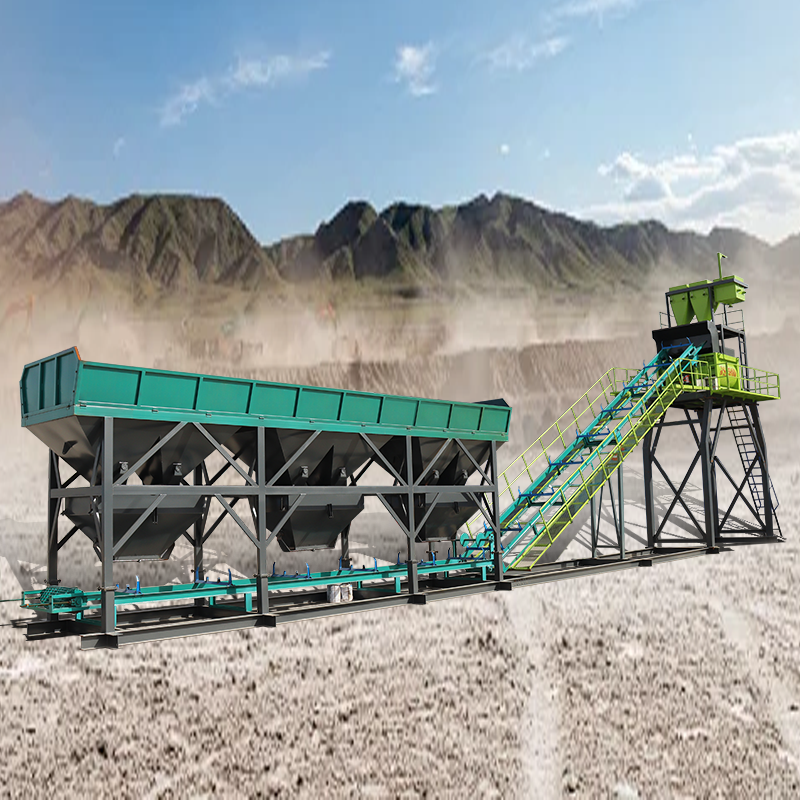
A stationary concrete mixing plant is designed for long-term, high-volume production at a fixed location. This type of concrete mixing plant typically features a larger drum or twin-shaft mixer, elevated aggregate bins, and an integrated control room. Because a stationary concrete mixing plant is anchored to a permanent foundation, its structural integrity supports sustained output rates that often exceed 120 cubic meters per hour. Infrastructure investment is higher upfront, but a stationary concrete mixing plant rewards that investment with consistent performance over many years.
Industries such as precast manufacturing, large dam construction, and urban infrastructure development rely on the stationary concrete mixing plant for reliable batch accuracy and high throughput. Maintenance on a stationary concrete mixing plant is also more straightforward because technicians have stable access to all components. When a project timeline spans multiple years at one site, the stationary concrete mixing plant remains the industry benchmark for dependability.
What a Mobile Concrete Mixing Plant Offers
A mobile concrete mixing plant is engineered for flexibility and rapid deployment. Unlike the stationary concrete mixing plant, a mobile concrete mixing plant is mounted on a trailer, skid frame, or wheeled chassis, enabling it to be transported to new locations without dismantling. Setup time for a mobile concrete mixing plant is significantly shorter, often taking only a few days compared to several weeks for a fixed installation. This makes the mobile concrete mixing plant the preferred choice for road construction, pipeline projects, and any assignment that moves across geographically distributed sites.
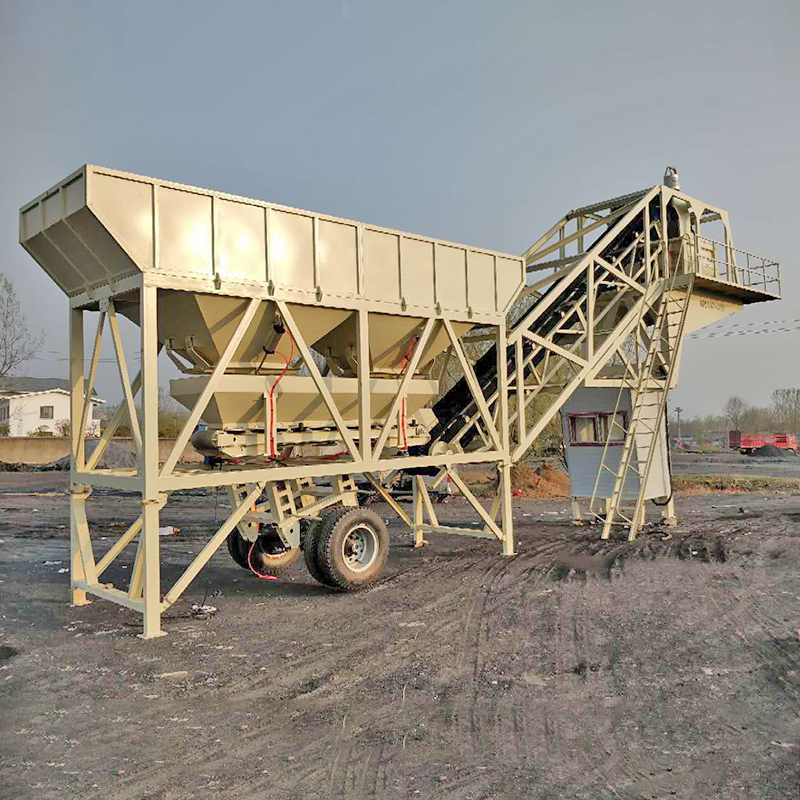
Output capacity for a mobile concrete mixing plant typically ranges from 25 to 75 cubic meters per hour, which suits small to medium-scale projects effectively. A mobile concrete mixing plant also reduces overhead costs by eliminating the need for permanent civil works. For contractors who win short-duration contracts across different regions, a mobile concrete mixing plant delivers a competitive edge that a stationary unit simply cannot match.
Key Selection Criteria for Each Concrete Mixing Plant Type
Project Duration and Site Permanence
Project duration is arguably the most important variable when selecting a concrete mixing plant. A stationary concrete mixing plant makes economic sense when a single site demands production for more than 18 to 24 months. The capital outlay for a stationary concrete mixing plant is justified when the volume of work is large enough to depreciate that cost effectively. In contrast, a mobile concrete mixing plant is the rational choice when project timelines are shorter or when a company operates multiple concurrent sites requiring one shared concrete mixing plant asset.
Site access and ground conditions also influence which concrete mixing plant type is appropriate. A soft or uneven terrain may limit the installation of a stationary concrete mixing plant because the foundation requirements are strict. A mobile concrete mixing plant, being self-contained, can be leveled and commissioned even on challenging ground with minimal civil preparation. Teams working in remote locations consistently prefer the mobile concrete mixing plant for this exact reason.
Budget, ROI, and Total Cost of Ownership
Budget constraints shape how a buyer evaluates any concrete mixing plant investment. A stationary concrete mixing plant carries higher acquisition and installation costs but delivers a lower cost-per-cubic-meter over time at scale. A mobile concrete mixing plant has a lower entry price and minimal site preparation cost, but the per-unit output cost may be higher due to its smaller capacity. When evaluating total cost of ownership for each concrete mixing plant option, buyers should factor in transport costs, foundation work, labor for setup, and resale value at the end of a project cycle.
A mobile concrete mixing plant also tends to retain stronger resale value because it can be redeployed rather than decommissioned. This liquidity advantage makes the mobile concrete mixing plant attractive to smaller firms that need asset flexibility. Larger companies with dedicated production facilities will find the stationary concrete mixing plant delivers superior long-term unit economics when utilization rates are high.
Operational and Logistical Differences in Practice
Setup, Commissioning, and Relocation
The setup process for a stationary concrete mixing plant involves foundation pouring, structural assembly, electrical integration, and calibration — a process that can take four to eight weeks. A mobile concrete mixing plant, by contrast, arrives largely pre-assembled and can begin producing concrete within 48 to 72 hours of arrival. For time-sensitive contracts, the mobile concrete mixing plant saves critical days at project launch and avoids delays that erode profit margins. Relocation of a stationary concrete mixing plant, while possible, is a major undertaking that involves disassembly and re-certification. A mobile concrete mixing plant simply drives to the next site, making it the clear winner for multi-location contracts.
Quality Control and Output Consistency
A stationary concrete mixing plant typically integrates more advanced batching controls, moisture sensors, and automated aggregate weighing systems. These features give the stationary concrete mixing plant an edge in applications requiring strict mix consistency, such as high-performance structural concrete. A mobile concrete mixing plant is increasingly equipped with digital controls and automated dosing systems, narrowing this quality gap considerably. For standard-grade concrete used in roads, foundations, and general civil works, a mobile concrete mixing plant delivers fully acceptable consistency. The choice of concrete mixing plant should therefore also consider the specification requirements of the end product.
FAQ
Which concrete mixing plant type is better for road construction projects?
A mobile concrete mixing plant is generally more suitable for road construction because projects span long linear distances and require the concrete mixing plant to follow the work front. The ability to relocate a mobile concrete mixing plant quickly reduces haulage distances and keeps concrete fresh at the point of placement.
Can a mobile concrete mixing plant match the output of a stationary concrete mixing plant?
In most cases, a stationary concrete mixing plant offers higher peak output capacity. However, for projects requiring up to 75 cubic meters per hour, a high-capacity mobile concrete mixing plant can meet demand reliably. The stationary concrete mixing plant remains the choice when output requirements consistently exceed that threshold.
How do I decide which concrete mixing plant is right for my business?
Evaluate your typical contract duration, site mobility requirements, budget, and output targets. If your business handles long-term fixed-site projects, a stationary concrete mixing plant will deliver the best return. If you operate across multiple short-term or geographically spread projects, a mobile concrete mixing plant offers the operational flexibility that drives profitability.