
 EN
EN
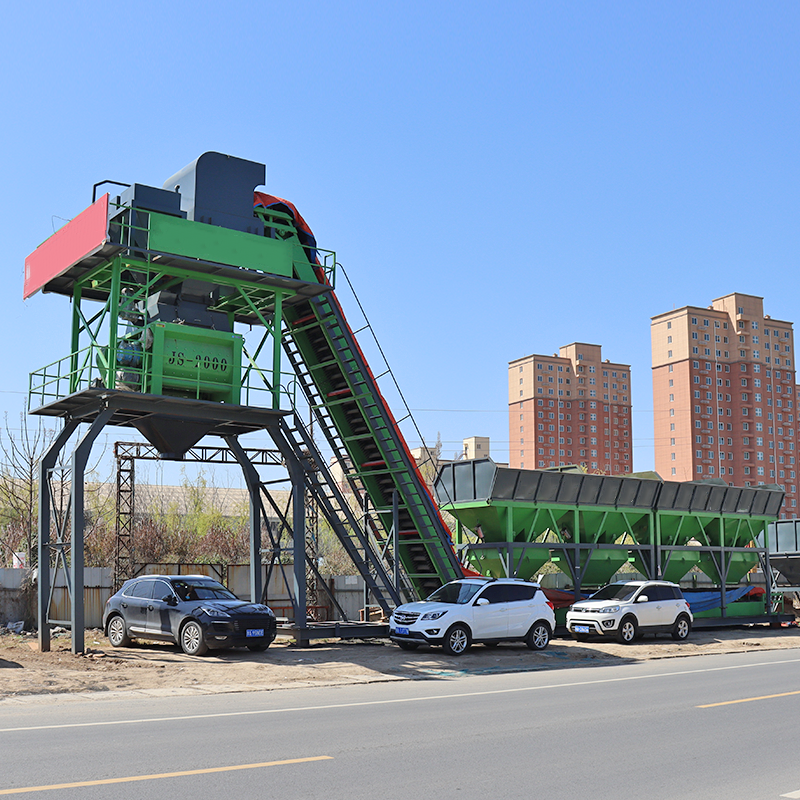
Installing a concrete mixing plant is one of the most critical steps in any large-scale construction or infrastructure project. When a concrete mixing plant is set up correctly from the start, it delivers consistent output quality, reduces downtime, and supports efficient project scheduling. Getting the installation right matters just as much as choosing the right concrete mixing plant in the first place.
This concrete mixing plant installation guide walks through every major phase of the setup process, from site preparation and foundation work to equipment assembly, electrical connections, and pre-operation testing. Whether you are installing a stationary concrete mixing plant or a mobile concrete mixing plant, the core principles covered here apply broadly and will help you avoid the most common installation mistakes seen on job sites worldwide.
Site Preparation for a Concrete Mixing Plant
Evaluating and Selecting the Installation Site
Before any concrete mixing plant component arrives on site, the installation team must evaluate the ground conditions, access routes, and spatial requirements. A concrete mixing plant requires a stable, level surface that can bear the combined load of the equipment, aggregates, water tanks, and finished concrete output. Soft or uneven ground can cause structural misalignment over time, which affects both the concrete mixing plant's performance and operator safety.
The site must also allow sufficient clearance around the concrete mixing plant for maintenance access, material delivery vehicles, and mixer trucks. Proximity to water and power supply connections is another key factor. Mapping out all utility connections before the concrete mixing plant arrives on site reduces delays during the later stages of installation.
Foundation and Civil Work Requirements
Most stationary concrete mixing plant models require a reinforced concrete foundation built to the manufacturer's specification drawings. The foundation for a concrete mixing plant must account for vibration loads generated during continuous mixing operations. Improperly designed foundations are one of the leading causes of premature frame wear in a concrete mixing plant installation.
For a mobile concrete mixing plant, foundation requirements are reduced but not eliminated. Even a mobile concrete mixing plant benefits from a compacted gravel base or temporary foundation pads that prevent settling during extended use. Always verify the weight distribution diagram provided with your concrete mixing plant before finalizing the civil work scope.
Structural Assembly of the Concrete Mixing Plant
Frame Erection and Component Positioning
Once the foundation is ready, structural assembly of the concrete mixing plant begins with the main frame and support towers. Each section of the concrete mixing plant frame must be squared and leveled before bolts are fully torqued. Out-of-square assembly at this stage will cause alignment problems for the concrete mixing plant's conveyor belts, aggregate bins, and mixer unit later in the process.
Follow the assembly sequence outlined in the concrete mixing plant's technical manual exactly. Skipping steps or reordering assembly phases is a frequent source of installation errors. For a concrete mixing plant with an elevated aggregate batching system, the hopper supports and weighing frames must be installed before the mixer housing is lifted into position.
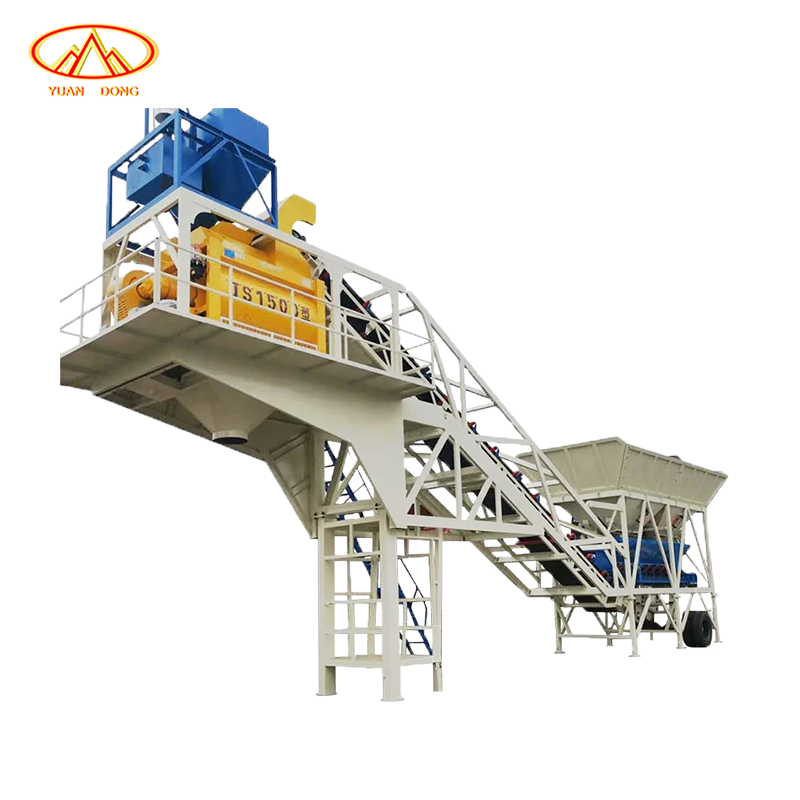
Mixer Unit and Aggregate System Installation
The mixer unit is the heart of the concrete mixing plant and requires careful handling during lifting and positioning. Crane capacity must be verified against the mixer weight stated in the concrete mixing plant documentation. Once the mixer is set, connect the discharge gate actuators and confirm free movement before proceeding. The aggregate batching system on a concrete mixing plant must be calibrated so that each weigh hopper operates within the design tolerance range.
Conveyor belts on the concrete mixing plant should be tensioned according to the specified parameters, not by visual estimate. A correctly tensioned belt reduces material spillage and extends belt service life on the concrete mixing plant. Misaligned or over-tensioned belts are a common maintenance issue traceable directly to installation errors.
Electrical, Control, and Commissioning Phase
Electrical Connections and Control Cabinet Setup
The electrical installation phase of a concrete mixing plant must be handled by qualified electricians familiar with industrial control systems. All power feeds to the concrete mixing plant must match the voltage, phase, and frequency specifications stated by the equipment supplier. Incorrect supply voltage is one of the most damaging errors that can occur during concrete mixing plant installation, potentially causing motor burnout from the first startup.
The control cabinet for the concrete mixing plant should be positioned in a dry, accessible location close to the operator station. Cable routing inside and around the concrete mixing plant must follow the cable tray layout provided in the electrical drawings. Label every cable run clearly so that future maintenance teams can trace circuits quickly without disrupting concrete mixing plant operations.
Pre-Operation Testing and Trial Mixing
Before the concrete mixing plant produces its first batch, conduct a dry run of all mechanical and electrical systems. Check that all motors on the concrete mixing plant rotate in the correct direction and that safety interlocks are functioning. Test the automatic batching sequence on the concrete mixing plant control system using simulated inputs before running actual material.
After dry testing, perform a trial mix with actual aggregates, cement, and water using a small batch. Inspect the concrete mixing plant discharge for mix uniformity and verify that output slump matches the target specification. Document all calibration settings made during commissioning so that the concrete mixing plant baseline configuration is recorded for future reference.
FAQ
How long does a concrete mixing plant installation typically take?
The installation time for a concrete mixing plant depends on its size and type. A mobile concrete mixing plant can typically be commissioned within three to seven days. A large stationary concrete mixing plant may require two to four weeks, including civil work and electrical commissioning. Proper pre-planning shortens the overall concrete mixing plant installation timeline significantly.
What are the most common mistakes during concrete mixing plant installation?
The most frequent errors include inadequate foundation preparation, incorrect frame alignment, improper electrical supply voltage, and skipping the calibration phase. Each of these mistakes can reduce the efficiency and lifespan of the concrete mixing plant. Following the manufacturer's installation manual and using qualified personnel for every phase is the most reliable way to avoid these issues.
Can a concrete mixing plant be relocated after installation?
A mobile concrete mixing plant is specifically designed for relocation and can be dismantled and moved to a new site with relatively low effort. A stationary concrete mixing plant is more difficult to relocate due to its permanent foundation and fixed utility connections. However, with proper planning, even a stationary concrete mixing plant can be disassembled and reinstalled at a new location if the project scope requires it.