
 EN
EN
Selecting the right concrete mixing plant is one of the most consequential equipment decisions a contractor or project manager will make. The wrong choice can lead to production bottlenecks, quality inconsistencies, and inflated operating costs. Whether you are managing a highway project, a residential development, or an infrastructure contract, the concrete mixing plant you select will directly shape how efficiently your operation runs from day one.
A concrete mixing plant is not a one-size-fits-all solution. The market offers a wide range of configurations, capacities, and technologies. Understanding the core selection factors will help you match the right concrete mixing plant to your actual project demands rather than relying on guesswork or vendor pressure. This guide walks through the decision logic step by step.
Understanding the Types of Concrete Mixing Plant
Stationary vs. Mobile Configurations
The first major decision is whether you need a stationary or mobile concrete mixing plant. A stationary concrete mixing plant is designed for long-term, high-volume production at a fixed site. It typically offers higher output, greater automation, and a lower cost per cubic meter over time. If your project involves a large construction site with months or years of continuous concrete demand, a stationary concrete mixing plant is often the stronger investment.
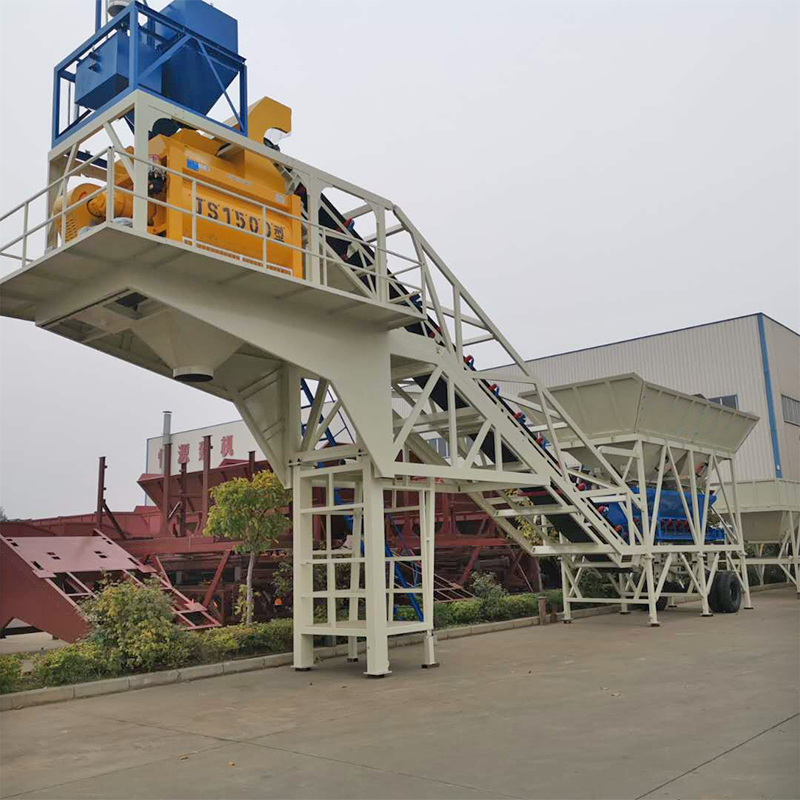
A mobile concrete mixing plant, on the other hand, is built for flexibility. It can be transported between sites, assembled quickly, and relocated as project phases shift. This makes a mobile concrete mixing plant the preferred option for road construction, bridge projects, or any scenario where the production point must move. The trade-off is typically a lower peak output compared to a fixed concrete mixing plant of the same price range.
Dry Mix vs. Wet Mix Systems
Another critical distinction is between dry mix and wet mix configurations. A dry mix concrete mixing plant loads aggregates, cement, and dry additives into the truck mixer, where water is added during transit. A wet mix concrete mixing plant produces fully mixed concrete at the plant before loading. Wet mix systems offer tighter quality control and are preferred for projects requiring strict specification compliance. Dry mix systems are faster to load and better suited for longer hauls where workability time matters.
Key Factors When Selecting a Concrete Mixing Plant
Production Capacity and Project Demand
Matching output capacity to actual project demand is essential. A concrete mixing plant that is too small will create scheduling pressure, force overtime, and risk missing pour windows. A concrete mixing plant that is oversized will inflate capital and operating costs unnecessarily. Begin by calculating your peak daily concrete demand, then select a concrete mixing plant whose rated capacity allows you to meet that demand comfortably within standard working hours.
It is also worth accounting for downtime and maintenance cycles. No concrete mixing plant runs at 100% efficiency every day. A capacity buffer of 15 to 20 percent above your calculated peak demand is a common and practical planning standard. This ensures that even during partial downtime, your concrete mixing plant can sustain the project schedule.
Site Conditions and Logistics
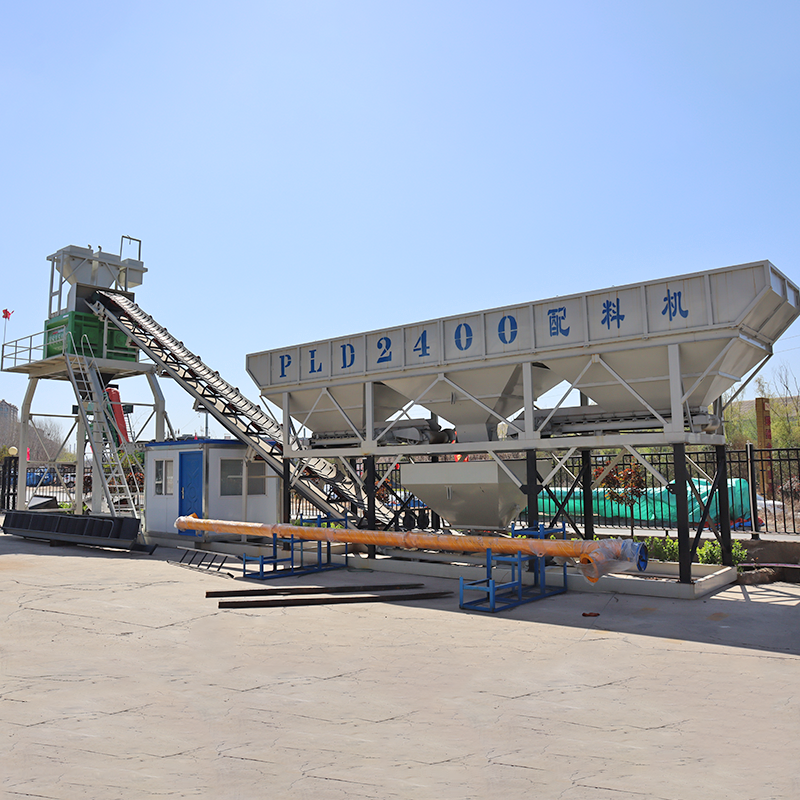
The physical environment of your site plays a significant role in which concrete mixing plant will perform best. Consider access roads, available land area, and proximity to aggregate supply. A concrete mixing plant located far from raw material sources will accumulate transport costs quickly. If space is limited, a compact or modular concrete mixing plant design may offer better fit than a full stationary layout.
Climate also matters. A concrete mixing plant operating in extreme cold may require heated water and aggregate systems. A concrete mixing plant in a hot and arid environment may need chilled water systems to control mix temperature. Evaluating these site-specific factors before purchase prevents costly retrofits after installation.
Automation Level and Mix Quality Control
Modern concrete mixing plant systems range from manually operated units to fully automated plants with digital batch control, real-time monitoring, and automated material loading. Higher automation generally improves mix consistency, reduces labor dependency, and enables data logging for quality assurance. For projects with strict mix specifications or high production volumes, investing in a more automated concrete mixing plant pays off through fewer errors and more consistent output.
The level of automation also affects maintenance requirements. A highly automated concrete mixing plant has more electronic components and sensors that require skilled maintenance staff. Simpler plants are easier to maintain but depend more on operator skill for consistent quality. Match the automation level to your team's technical capability and the project's quality requirements.
Total Cost of Ownership and Long-Term Value
Beyond the Purchase Price
Many buyers focus heavily on the upfront purchase price of a concrete mixing plant, but the true cost involves much more. Operating costs, spare parts availability, fuel or power consumption, and labor requirements all contribute to the total cost of ownership of a concrete mixing plant. A lower-priced concrete mixing plant with high fuel consumption and limited parts support may cost significantly more over a three-year project than a higher-priced concrete mixing plant with efficient systems and strong after-sales support.
Residual value matters too. A well-built concrete mixing plant retains resale value and can be repositioned to future projects. Evaluate the manufacturer's service network, availability of wear parts, and warranty terms. A concrete mixing plant backed by reliable technical support is a lower-risk investment in the long run, particularly for remote or large-scale projects where downtime is costly.
Environmental and Regulatory Considerations
Environmental compliance is increasingly a factor in concrete mixing plant selection. Dust suppression systems, wastewater recycling units, and noise control measures are often required under local regulations. Selecting a concrete mixing plant that already meets these standards avoids retrofit expenses and delays in operational permits. Always confirm that your chosen concrete mixing plant complies with the environmental regulations of the project jurisdiction before finalizing your purchase.
FAQ
What output capacity should a concrete mixing plant have for a medium-sized project?
For a medium-sized construction project, a concrete mixing plant with an output capacity between 60 and 90 cubic meters per hour is typically sufficient. Always calculate your actual peak daily demand first, then choose a concrete mixing plant with a 15 to 20 percent capacity buffer to account for maintenance and scheduling variation.
Is a mobile concrete mixing plant suitable for long-term use?
Yes, a mobile concrete mixing plant can be used for extended periods. Many mobile concrete mixing plant models are designed for durability and repeated relocation. They are especially practical for infrastructure projects spread across multiple sites. However, for very high-volume, single-location projects, a stationary concrete mixing plant may offer better long-term efficiency.
How does automation affect the quality of a concrete mixing plant's output?
A higher level of automation in a concrete mixing plant improves batch consistency by reducing human error in weighing, timing, and mixing sequences. Automated concrete mixing plant systems use digital controls to maintain precise ratios, which is critical for projects with strict mix specifications. The result is a more uniform product and better documentation for quality assurance purposes.