
 EN
EN
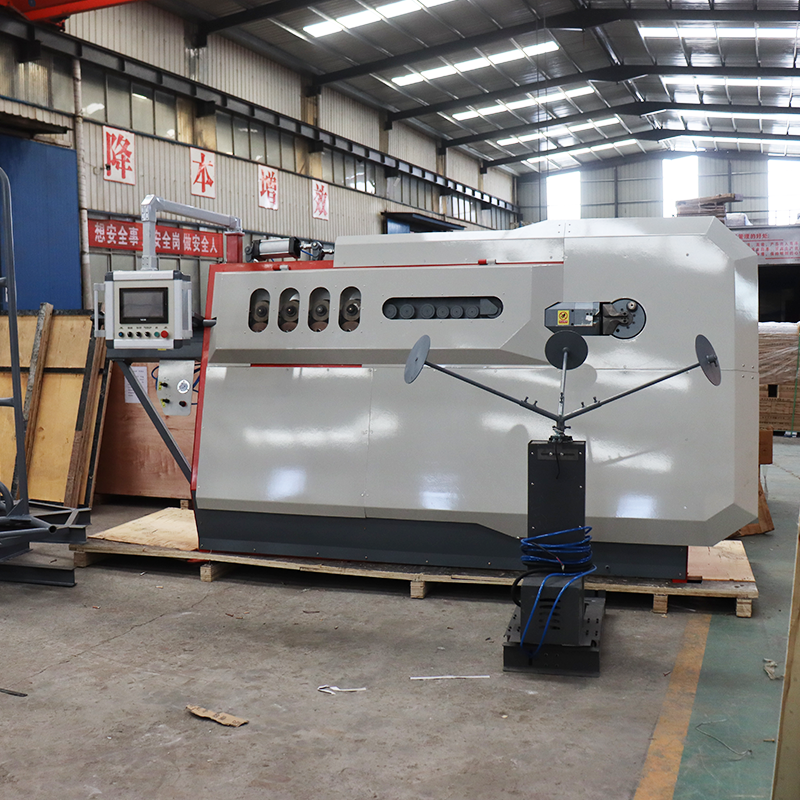
In modern construction projects, material handling and preparation represent a significant portion of on-site labor costs and project timelines. Rebar straightening machines have emerged as critical equipment that directly addresses inefficiencies in steel reinforcement processing. These specialized machines automatically straighten bent, coiled, or damaged rebar, transforming how construction teams manage reinforcement material from delivery through installation. By automating what was once a labor-intensive manual process, rebar straightening machines reduce downtime, minimize waste, and enable faster project execution across residential, commercial, and infrastructure applications.
The efficiency gains delivered by rebar straightening machines extend far beyond simple time savings. Construction sites face constant pressure to optimize labor allocation, reduce material loss, and maintain consistent quality standards. When reinforcement bar preparation remains manual, crews spend hours bending, cutting, and repositioning materials by hand, introducing variability and occupying skilled workers on repetitive tasks. Modern rebar straightening machines streamline this workflow, allowing a single operator to process significantly higher volumes of material while maintaining precision and consistency. This shift in operational capacity directly translates to faster construction schedules and improved cost performance across project budgets.
Core Efficiency Improvements from Rebar Straightening Machines
Automated Processing and Labor Reduction
Rebar straightening machines eliminate the need for multiple workers to manually straighten and prepare reinforcement bars before installation. A well-configured rebar straightening machine can process hundreds of bars per hour, whereas manual straightening typically handles only a fraction of that volume. This automation frees skilled labor for higher-value tasks such as structural assembly, quality inspection, and coordination, rather than consuming worker hours on repetitive preparation work. The reduction in manual handling also minimizes workplace injuries related to heavy material handling and repetitive motion strain. By deploying rebar straightening machines, project managers can allocate their workforce more strategically and reduce overall labor requirements without compromising output quality.
Material Waste Reduction and Cost Control
Construction material procurement often involves accepting coiled or bundled rebar that requires straightening before use. Without proper rebar straightening machines, field crews may discard damaged or severely bent sections, resulting in material waste that directly increases project costs. Precision rebar straightening machines can salvage and properly straighten material that would otherwise be unusable, recovering value from delivery shipments and reducing scrap losses. Additionally, accurate straightening ensures that reinforcement bars fit design specifications exactly, preventing rework and rejection of installed materials. Over the course of a large-scale construction project, these material recovery and rework prevention benefits compound significantly, generating substantial cost savings that flow directly to project profitability.
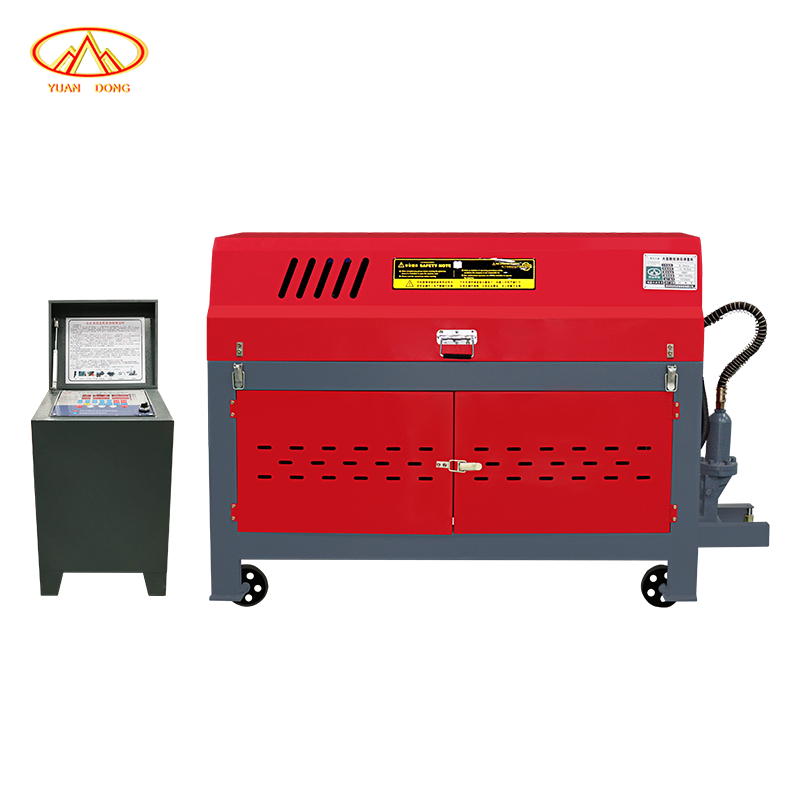
Operational Speed and Schedule Performance
Faster Material Preparation Cycles
Construction schedules depend on reliable availability of prepared materials at the moment they are needed for installation. Rebar straightening machines accelerate material preparation cycles by processing bars far faster than manual methods, ensuring that reinforcement is ready when concrete pouring or structural assembly crews need it. This synchronization between material preparation and installation workflows prevents bottlenecks that commonly delay construction progress. Modern rebar straightening machines feature quick-change tooling and programmable settings, allowing operators to switch between different bar sizes and styles without extended downtime. The ability to respond quickly to changing material needs on dynamic job sites makes rebar straightening machines invaluable for maintaining schedule momentum and meeting contractual completion deadlines.
Consistency and Quality Assurance
Manual straightening introduces variability in bar geometry, coating integrity, and dimensional accuracy. Rebar straightening machines deliver consistent results across every bar processed, meeting structural design tolerances reliably. This consistency reduces the likelihood of installation delays caused by bars that do not fit design specifications or fail quality inspection. Structural engineers can specify reinforcement dimensions with confidence, knowing that a properly maintained rebar straightening machine will produce bars within required tolerances repeatedly. Additionally, consistent processing protects protective coatings on epoxy-coated rebar, preserving corrosion resistance properties critical for long-term structural durability. The quality assurance provided by rebar straightening machines translates to fewer inspection rejections, faster approval cycles, and smoother project progression from material preparation through final installation.
Safety and Worker Protection Benefits
Hazard Reduction and Injury Prevention
Manually straightening heavy rebar exposes workers to significant physical hazards including back strain, hand injuries from sharp bent edges, and crushing risks from heavy materials. Rebar straightening machines eliminate these hazards by automating the physical work and containing the equipment within controlled machinery housing. Workers operate rebar straightening machines from safe positions with established guarding and emergency stop systems, reducing occupational injury rates substantially. The reduction in manual handling also decreases fatigue-related errors that can lead to safety incidents. Construction companies investing in rebar straightening machines demonstrate commitment to worker safety programs, which improves employee retention, reduces workers' compensation costs, and supports safety culture development across the organization.
Ergonomic Work Environment Design
Properly selected and positioned rebar straightening machines can be configured to minimize ergonomic strain on operators by maintaining bars at appropriate working heights and angles. This thoughtful equipment placement reduces repetitive strain injuries and allows workers to maintain proper posture throughout shifts. Modern machines feature operator controls positioned for comfortable access, and many include features such as automatic bar feeding systems that further reduce manual handling requirements. Supporting worker health through ergonomic design attracts skilled equipment operators and improves employee morale. Construction sites that prioritize ergonomic tool selection and workplace design benefit from more engaged workers, higher productivity, and better overall safety performance metrics.
FAQ
How much material waste can rebar straightening machines prevent on a typical construction project?
The amount of waste prevention depends on incoming material condition and project scale. On average, properly utilized rebar straightening machines can recover 3–8% of delivered bar material that would otherwise be discarded due to bending damage or coating issues. For large infrastructure projects using hundreds of tons of reinforcement, this recovery represents significant cost savings. Additionally, rebar straightening machines eliminate waste from rework caused by improperly sized or installed bars, further reducing overall material loss across the project.
What training do operators need to run rebar straightening machines effectively?
Most rebar straightening machines require only basic operator training covering machine startup procedures, safety protocols, material loading techniques, and adjustment of settings for different bar sizes. Manufacturers typically provide comprehensive training documentation and support, and experienced operators can become proficient within one to two days of hands-on practice. Advanced maintenance and troubleshooting may require additional technical training, but standard operation remains straightforward enough that construction sites can quickly transition workers into productive equipment operation without extensive certification requirements.
Can rebar straightening machines handle all types and sizes of reinforcement bar?
Most commercial rebar straightening machines are designed to process standard reinforcement bars ranging from number 3 through number 18 grades, covering the vast majority of construction applications. However, specialized materials such as epoxy-coated bars, stainless steel reinforcement, or non-standard shapes may require specific machine configurations or processing adjustments. Before selecting equipment, construction managers should verify that chosen rebar straightening machines support the specific bar types and grades specified in project design documents to ensure compatibility and optimal performance.