
 EN
EN
Kontrolli i ushqimit dhe përgatimi i materialit për efikasitet të qëndrueshëm të thyerjes
Ushtroja e shtypur kundrejt ushtrimit të kontrolluar: Ekuilibrimi i prodhimit, përdorimit të energjisë dhe ngarkesës së rotorit
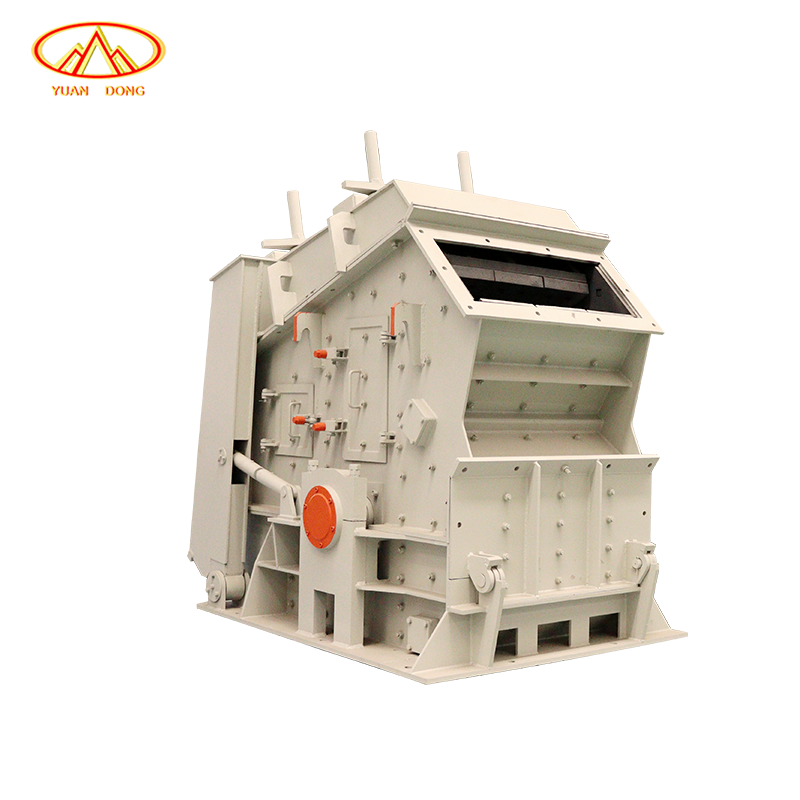
Kur përdoren thyesat me gurë, ushqimi i mbyllur (choke feeding) mund të rrisë në mënyrë të konsiderueshme prodhimin, sepse mban kamerën të mbushur plotësisht, që do të thotë se më shumë material godet materialin gjatë procesimit. Por ka një pengesë – ky metodë zakonisht rrit ngarkesën në rotor për 15 deri në 20% dhe konsumon rreth 12% energji shtesë, sipas studimeve të fundit (Shqyrtimi i Efikasitetit të Thyerjes, 2023). Nga ana tjetër, ushqimi i kontrolluar vepron ndryshe. Ai rregullon sasinë e materialit që hyn, duke u bazuar në atë që thyesa mund të përpunojë në çdo moment të caktuar. Ky qasje zvogëlon konsumin e rotorit për rreth 30% dhe përdor më efikas energjinë për tonin e përpunuar. Për materiale të vështira si graniti, ushqimi i kontrolluar parandalon formimin e fisureve të vogla kur sistemi ngarkohet tepër, gjë që në fund të fundit kursen para në zëvendësimin e gurëve. Cili metodë funksionon më mirë? Gjithçka varet nga ajo që hyrë në thyesë. Llapi i bardhë dhe materiale të ngjashme, me karakteristika të qëndrueshme, zakonisht funksionojnë mirë me ushqimin e mbyllur. Por kur përpunohen lloje të përzier ose të paparashikueshme materiale, veçanërisht gjëra si betoni i thyer nga vendet e ndërtimit, ushqimi i kontrolluar bëhet absolutisht i domosdoshëm për të ruajtur operacionet në mënyrë të qëndrueshme pa dështime të përsëritura.
Parasortimi, Sipërfaqja dhe Zbulimi i Metalit të Papërdorshëm për të Parandaluar Ndërprerjet dhe Dëmtimet
Procesi fillon me paraseleksionimin, i cili heq ato grimca të vogla që janë më të vogla se ajo që mund të përpunojë shkruesi, gjë që në fakt rrit kapacitetin total rreth 15 deri në 20 përqind. Më pas vjen skarpiimi, ku çdo gjë që është shumë e madhe për hyrjen e ushqimit refuzohet menjëherë. Kjo hap i thjeshtë zvogëlon bllokimet me rreth 90%, diçka që menaxherët e fabrikave e vlerësojnë shumë gjatë shiftrave të ngarkuara. Kur bëhet fjalë për zbulimin e metaleve të papërdorshme, gjërat bëhen serioze shpejt. Këto sisteme ndalojnë plotësisht të gjithë procesin nëse zbulonin copa armaturash ose fragmente steli që kalojnë pa u vërejtur nëpërmjet betonit të ricikluar nga kamionët përzierës. Të tilla ndërprerje mund të kursen mijëra dollarë në kostot e dëmit potencial çdo herë kur ndodhin. Duke i bashkuar të gjitha këto hapa bën një ndryshim të madh: sipas studimeve industriale të vitit të kaluar, fabrikat raportojnë rreth 40% më pak pushime të papritura dhe shpenzimet për mirëmbajtje zvogëlohen me afërsisht 30 përqind. Renditja specifike e hapave është gjithashtu e rëndësishme – së pari skarpiimi, pastaj kontrolli për mbeturina metalike, dhe në fund seleksionimi përsëri – ky i tërë varg i veprimeve e mban gjithçka të funksionojë rrjedhshëm dhe e mbron pajisjet e shtrenjta nga konsumimi i hershëm.
Optimizimi i Shpejtësisë së Rotorit, Konfigurimit të Goditësve dhe Cilësimit të Përcaktimit të Anës së Mbyllur
Rregullimi i Bazuar në Të Dhëna të Shpejtësisë së Rotorit dhe të CSS për Gradacionin dhe Kapacitetin e Synuar
Kur bëhet fjalë për menaxhimin e materialit që del nga shkruesi, shpejtësia e rotorit dhe përcaktimi i anës së mbyllur (CSS) dallohen si kontrollimet kryesore që ndikojnë edhe në shpërndarjen e madhësisë së grimcave edhe në sasinë e materialit që përpunohet. Punimi i rotorit me shpejtësi më të larta, rreth 1.200 deri në 1.800 RPM, prodhon grimca të holla që funksionojnë shumë mirë në mikserat e betonit për kamionët. Por këtu ka edhe një pengesë. Këto shpejtësi më të larta konsumojnë rreth 15–20% më shumë energji elektrike dhe shkaktojnë zhvlerësim më të shpejtë të goditësve në krahasim me shpejtësitë normale. Nga ana tjetër, shpejtësitë më të ulëta të rotorit prodhojnë copa më të mëdha, ideale për bazat e rrugëve, megjithatë operatorët duhet të jenë të kujdesshëm, sepse ngritja e shpejtësisë shumë poshtë një vlerë të caktuar mund të zvogëlojë faktikisht shkallën e përgjithshme të prodhimit kur pajisjet nuk janë dimensionuar në mënyrë të përshtatshme për punën. Rregullimi i cilësimeve të CSS ndihmon në gjetjen e pikës së optimizimit midis këtyre faktorëve të kundërta.
- Rregullimet më të ngushta (≈10 mm) përmirësojnë uniformitetin e grimcave për të plotësuar specifikimet e makinave të përzierjes së transportit—por zvogëlojnë kapacitetin deri në 30%
- Hapësirat më të gjera (15–25 mm) rritin tonazhin orar, por shkaktojnë zhvendosje të gradimit jashtë tolerancave ASTM C33 në 68% të operacioneve (NSSGA 2023)
Operatorët duhet të:
- Kryejnë analizë të rrjetëzimit të prodhimit çdo javë
- Të korrellojnë shpejtësinë e rotorit dhe rregullimet e CSS me kurbat e gradimit
- Të automatizojnë përgjigjet përmes sistemeve PLC që monitorojnë konsumin e amperazhit dhe shpejtësitë reale të ushqimit
Kjo parandalon mbishkrirjen e gëlqeres—një shkak i përsëritur i rritjeve të papritura me 40% të gjenerimit të pluhurit në ngarkesat e makinave të përzierjes—ndërkohë që siguron në mënyrë të besueshme fraksionet e kërkuara të agregatit 3/8" deri në 1/2".
Strategjia për Pjesët e Konsumuara: Zgjatja e Jetës së Goditësve dhe Ruajtja e Konzistencës së Produktit
Zgjedhja e Materialit të Goditësit—Përshtatja e Ngurtësisë, Qëndrueshmërisë dhe Abrazivitetit me Llojin e Mineralit
Zgjedhja e materialit të duhur të çekiçit do të thotë të gjesh atë pikë të shkëlqyer midis fortësisë sipërfaqësore për t'i rezistuar gërryerjes dhe rezistencës së mjaftueshme në masë për të përballuar goditjet e vazhdueshme pa u prishur. Hekuri i bardhë me krom të lartë me vlerësim mbi 600 BHN funksionon shkëlqyeshëm kundër atyre xeherorëve vërtet të pasur me silicë, por vjen me një pengesë. Korniza e thërrmuesit ka nevojë për forcë shtesë për të thithur goditjet, përndryshe këta çekiçë do të çahen dhe do të thyhen. Çeliqet e aliazhit të karbonit të mesëm janë më të mirë kur merren me materiale më të forta që nuk janë aq gërryese si guri gëlqeror. Megjithatë, ta bësh këtë gabim mund të jetë e kushtueshme. Kemi parë raste ku çekiçët e papërshtatshëm konsumohen tre herë më shpejt. Çeliqet e butë gërryhen shpejt në aplikimet e granitit, ndërsa aliazhet e brishta thjesht thyhen kur thërrmohet xeherori i hekurit. Sipas raporteve të fundit të industrisë nga viti i kaluar, zgjedhja e materialeve të përshtatshme posaçërisht për punën në fjalë mund të zgjasë jetëgjatësinë e çekiçit nga dy deri në katër herë krahasuar me opsionet standarde të çelikut të karbonit. Kjo bën një ndryshim të madh si në shpenzimet e zëvendësimit ashtu edhe në ndërprerjet e prodhimit. Disa prodhues gjithashtu përfshijnë dizajne të kthyeshme që i lejojnë operatorët të rrotullojnë çekiçin ndërsa skajet konsumohen, duke dyfishuar në mënyrë efektive jetëgjatësinë e tyre të përdorshme para se të kenë nevojë për zëvendësim.
Monitorimi i Shkallëzimit të Zhvendosjes përmes Analizës me Siet për të Aktivizuar Zëvendësimin e Kohës së Përshtatshme të Goditësit
Shikimi i rezultateve të shtresës së zierjes na jep paralajmërimin më të mirë për momentin kur martesat fillojnë të konsumohen. Ne e dimë se diçka është gabim kur martesat bëhen më të lehta dhe skajet e tyre bëhen më të bllokuara, sepse kjo do të thotë se shpërthimi ynë nuk është më aq efikas. Zakonisht këtë problem e zbulojmë kur më shumë se pesëmbëdhjetë përqind e materialit që del është shumë i madh për specifikimet. Shumica e operacioneve kryejnë teste standarde çdo dy javë duke ndjekur udhëzimet ASTM E11 për të gjurmuar distribucionin e madhësisë së materialit në kushtet normale. Nëse numrat fillon të devijojnë më shumë se pesë përqind nga këto vlera bazë, është koha për të zëvendësuar ato të vjetra. Mbajtja e syrit mbi këto gjëra është shumë e rëndësishme për të siguruar që agregatet të mbeten brenda kufijve të specifikimeve. Askush nuk dëshiron që përbërësit e betonit të shtirhen gjatë transportimit në ato miksera të mëdha. Përdorimi i rregullt i testimeve dhe i procedurave të mirëmbajtjes redukton ndërprerjet e papritura pothuajse në gjysmë, sipas të dhënave të fushës. Për më tepër, zëvendësimi i veglave të konsumuara para se të dëmtohen shumë, kursen edhe kostot e energjisë, pasi martesat e dëmtuara mund të konsumojnë edhe 25 përqind më shumë elektricitet se sa martesat e reja në vitin 2023, sipas raporteve industriale.
Matja dhe mbajtja e efikasitetit të thyesës me goditje me treguesit kryesorë të performancës
Mbajtja e shënimeve për treguesit kryesorë të performancës ndihmon në optimizimin e punës së thyesësit me gërshërë bazuar në të dhëna reale, në vend të supozimeve. Numrat kryesorë që duhet vëzhguar janë sasia e materialit që përpunohet çdo orë, sasia e energjisë që përdoret për ton material dhe nëse produkti final ruajnë madhësi të konstante gjatë tërë procesit të prodhimit. Nëse ka një ndryshim 15% në shpërndarjen e madhësisë së grimcave, kjo zakonisht do të thotë se ose gërshërat duhet zëvendësuar ose parametrat e thyesësit nuk janë rregulluar si duhet. Kur përdorimi i energjisë ngrihet mbi 0,8 kWh për ton (që është ajo që shumica e operatorëve e konsiderojnë normale), kjo zakonisht tregon probleme me balancimin e rotorit ose me modele të papërshtatshme të ushqimit. Dhe kur prodhimi bie nën kapacitetin për të cilin është projektuar makina, kjo shpesh do të thotë se diçka është bllokuar brenda apo komponentët janë shumë të konsumuar. Monitorimi i rregullt i këtyre treguesve të performancës zvogëlon ndërprerjet e papritura me rreth 20–30% dhe e zgjaton jetëgjatësinë e tërë sistemit, sepse mirëmbajtja kryhet kur nevojitet, jo sipas programeve arbitrare.
Seksioni i FAQ
Çfarë është ushqimi i bllokuar në shkruesit me goditje?
Ushqimi i bllokuar është një metodë ku kamera e shkruesit mbahet plot, duke rritur prodhimin, por edhe stresin dhe konsumin e energjisë.
Pse preferohet ushqimi i kontrolluar për disa materiale?
Ushqimi i kontrolluar rregullon hyrjen e materialeve në bazë të kapacitetit të shkruesit, duke zvogëluar konsumin e rotorit me 30% dhe duke përmirësuar efikasitetin e energjisë.
Cilat janë përfitimet e paraseparimit dhe skarpimit?
Paraseparimi heq grimcat që janë shumë të vogla për shkruesin, duke rritur kapacitetin. Skarpimi refuzon materiale të mëdha, duke zvogëluar bllokimet me 90%.
Si ndikon shpejtësia e rotorit në efikasitetin e shkrimit?
Shpejtësitë më të larta të rotorit prodhojnë grimca më të holla, por rrisin konsumin e energjisë, ndërsa shpejtësitë më të ulëta mund të prodhojnë grimca më të mëdha nëse nuk optimizohen saktë.
Cilat faktorë duhet të merren parasysh gjatë zgjedhjes së materialeve për gërshërën?
Zgjidhni materiale në bazë të ngurtësisë së sipërfaqes dhe rezistencës së tyre për të përshtatur me llojin e mineraisë, duke parandaluar konsumin e shtrenjtë ose dëmtimin.
Përmbajtja
- Kontrolli i ushqimit dhe përgatimi i materialit për efikasitet të qëndrueshëm të thyerjes
- Optimizimi i Shpejtësisë së Rotorit, Konfigurimit të Goditësve dhe Cilësimit të Përcaktimit të Anës së Mbyllur
- Strategjia për Pjesët e Konsumuara: Zgjatja e Jetës së Goditësve dhe Ruajtja e Konzistencës së Produktit
- Matja dhe mbajtja e efikasitetit të thyesës me goditje me treguesit kryesorë të performancës
-
Seksioni i FAQ
- Çfarë është ushqimi i bllokuar në shkruesit me goditje?
- Pse preferohet ushqimi i kontrolluar për disa materiale?
- Cilat janë përfitimet e paraseparimit dhe skarpimit?
- Si ndikon shpejtësia e rotorit në efikasitetin e shkrimit?
- Cilat faktorë duhet të merren parasysh gjatë zgjedhjes së materialeve për gërshërën?