
 EN
EN
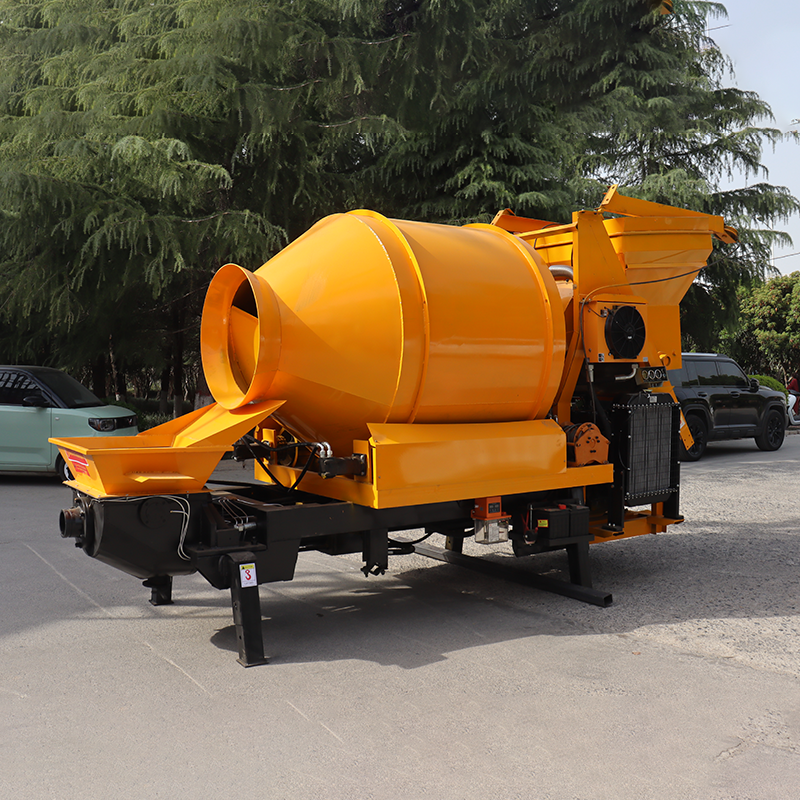
Betónové čerpadlá sa stali neoddeliteľnou súčasťou moderných stavení a zásadne menia spôsob, akým dodávajú a ukladajú betón stavebné firmy. Zvýšenie efektívnosti pri používaní betónových čerpadiel ide ďaleko za jednoduché pohodlie – ovplyvňuje harmonogramy projektov, rozdelenie pracovnej sily, kvalitu výsledkov a celkovú rentabilitu. Pochopenie toho, ako betónové čerpadlá zvyšujú efektívnosť výstavby, vyžaduje preskúmanie nielen priamych prevádzkových výhod, ale aj nepriameho dopadu, ktorý sa šíri cez celé pracovné postupy projektov.
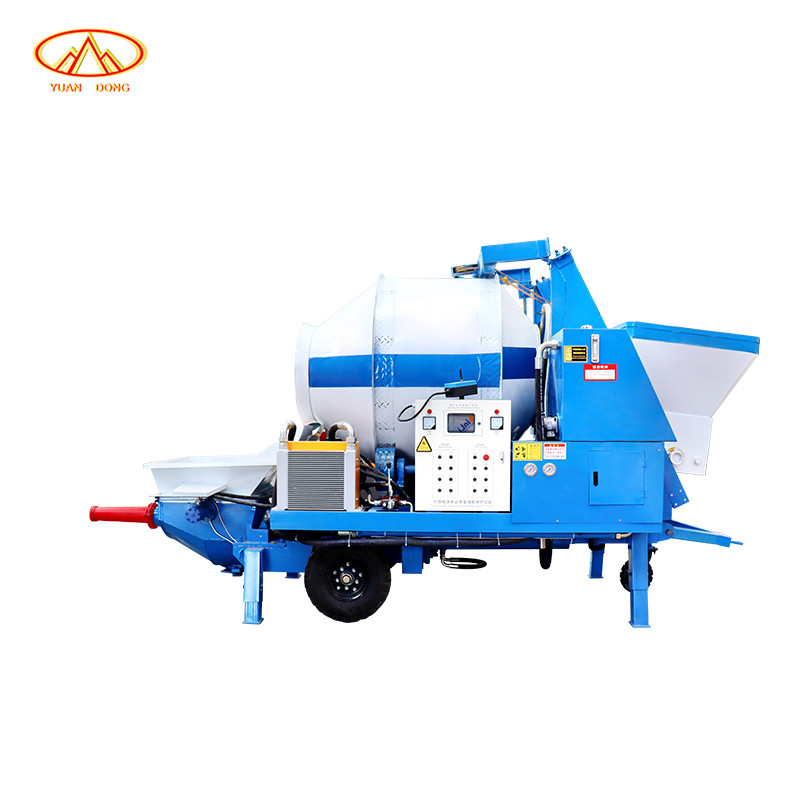
Stavebné tímy, ktoré využívajú betonové čerpadlá, zaznamenávajú merateľné zlepšenia výkonnosti, riadenia nákladov a rýchlosti dokončenia projektov. Namiesto tradičných metód, ako sú systémy s vedrami alebo ručné umiestňovanie, betonové čerpadlá umožňujú rýchlejšie umiestňovanie betónu na vyšších úrovniach a v ťažko prístupných oblastiach. Výsledkom je skrátená doba trvania projektu, zvýšená bezpečnosť pracovníkov a lepšia kvalita betónu v dôsledku konzistentného miešania a presne kontrolovanej techniky umiestňovania počas celého stavebného procesu.
Priame prevádzkové výhody betonových čerpadiel
Zrýchlené umiestňovanie betónu
Jedným z najvýznamnejších spôsobov, ako betónové čerpadlá zvyšujú efektívnosť výstavby, je výrazne rýchlejšie umiestňovanie betónu v porovnaní s tradičnými metódami. Jedno betónové čerpadlo dokáže denne dodávať tisíce kubických metrov betónu, zatiaľ čo manuálne umiestňovanie pomocou vedier by vyžadovalo viacero pracovných tímov pracujúcich po celé hodiny. Táto výhoda rýchlosti sa stáva obzvlášť kritickou pri viacposchodových projektoch, kde betónové čerpadlá môžu súčasne obsluhovať viacero poschodí, čím sa zníži nečinnosť a projekt sa udrží v stanovenej lehote. Nepretržitý tok betónu zabezpečený betónovými čerpadlami umožňuje pracovníkom udržať si plynulý pracovný tempo bez čakania na ďalšie dávky betónu, ktoré by sa mali doručiť alebo manuálne zdvihnúť do požadovanej polohy.
Presná kontrola umiestnenia
Betónové čerpadlá zvyšujú výstavbovú účinnosť tým, že umožňujú presné umiestnenie betónu v zložitých geometrických oblastiach, kde presnosť priamo ovplyvňuje štrukturálnu celistvosť a estetické výsledky. Operátor presne ovláda prietok, smer a objem – čo manuálne metódy nedokážu napodobiť – čím sa zníži odpad betónu a potreba opráv. Ak sa betónové čerpadlá nasadia stratégiou, minimalizujú rozliatie, znížia pracovnú námahu pri upratovaní a zabezpečia správne zhutnenie betónu v tesných priestoroch, ťažko prístupných rohoch a nadhlavných oblastiach. Táto presnosť je obzvlášť cenná pri špeciálnych betónových aplikáciách, ako sú zložité architektonické prvky alebo zakladové práce vyžadujúce presnú kontrolu nad výškou a sklonom.
Zvýšenie produktivity práce a bezpečnosti
Znížené požiadavky na fyzickú prácu
Automatizáciou ťažkého zdvíhania a rozvážania betónu zvyšujú betonové čerpadlá efektívnosť výstavby tak, že odborných pracovníkov uvoľnia na úlohy vyššej hodnoty, ako je správa bednenej konštrukcie, umiestňovanie výstuže a dokončovacie práce. Namiesto toho, aby strávili hodiny manuálnym prenášaním dávok betónu, pracovné tímy sa môžu sústrediť na prípravu, kontrolu a činnosti týkajúce sa kontroly kvality, ktoré priamo prispievajú k úspechu projektu. Zníženie opakujúcej sa fyzickej námahy tiež znižuje únavu pracovníkov, čo sa prejavuje menej nehodami, lepším bezpečnostným výkonom a lepšou udržateľnosťou skúsených členov tímu. Stavebné tímy používajúce betonové čerpadlá hlásia významné zníženie poránení pohybového aparátu a zdravotných problémov s chrbticou medzi svojimi zamestnancami.
Zlepšené bezpečnostné podmienky
Betónové čerpadlá zvyšujú efektívnosť výstavby a súčasne zlepšujú bezpečnosť staveniska tým, že minimalizujú potrebu, aby pracovníci pracovali vo výške alebo v blízkosti zavesených zaťažení. Dodávacia hadicová sústava udržuje personál v bezpečnejšej vzdialenosti od nebezpečenstva pádu a eliminuje riziko ťažkých košov kývajúcich sa nad hlavou. Pracovníci sa môžu postaviť strategicky, aby vedeli a dokončili betónovanie, namiesto toho, aby stáli priamo pod alebo vedľa aktívnych zdvíhacích operácií. Okrem toho betónové čerpadlá znižujú environmentálne riziká spojené s ručným manipulovaním s betónom, napríklad kontakt s mokrým betónom obsahujúcim dráždiace látky.
Nákladová účinnosť a riadenie časového plánu projektu
Zníženie nákladov na prácu
Stavebné spoločnosti zisťujú, že betonové čerpadlá zvyšujú efektivitu výstavby a znížia celkové náklady na projekt minimalizáciou pracovných hodín potrebných na dodávku a umiestnenie betónu. Jeden operátor čerpadla s pomocou pozemného tímu dokáže dosiahnuť to, čo predtým vyžadovalo výrazne väčšie tímy pracujúce v predĺžených smenách. Náklady na prenájom alebo vlastníctvo betonového čerpadla, vypočítané v rámci celkového rozpočtu projektu a skrátenia jeho trvania, sa zvyčajne prejavujú ako čisté úspory. Menšie tímy pracujúce efektívnejšie často prekonávajú väčšie tímy používajúce tradičné metódy, čo robí betonové čerpadlá obzvlášť cenným nástrojom pre podnikateľov, ktorí spravujú projekty s prísnym rozpočtom, pričom zároveň udržiavajú požadované štandardy kvality.
Rýchlejšie dokončenie projektu
Betónové čerpadlá zvyšujú efektívnosť výstavby priamou skrátením časových rámov dokončenia projektov, čo má významné finančné dôsledky pre dodávateľov a developerov. Skrátenie času umiestnenia betónu znamená, že štrukturálne prvky sa dajú dokončiť rýchlejšie, čo umožňuje následným remeselným zámočníkom začať prácu v plánovanom termíne. Toto zlepšenie postupného pracovného postupu zabráni reťazovým oneskoreniam, ktoré vznikajú, keď betónové práce ostanú za plánom. Developeri profitujú z predčasného dokončenia projektu, čo zníži prevádzkové náklady, umožní rýchlejšie realizovať príjmy a zlepší celkové návratnosť investícií. Pre projekty s časovými obmedzeniami alebo tie, ktoré majú prísne zmluvné lehoty, betónové čerpadlá často rozhodujú o tom, či sa záväzky splnia alebo sa budú musieť zaplatiť drahé pokuty.
Výhody kvality a konzistence
Jednotná kvalita betónu
Betónové čerpadlá zvyšujú výkonnosť výstavby tým, že zabezpečujú konzistentnú kvalitu betónu počas celého projektu, pretože proces čerpania udržiava rovnaké premiešanie a odstraňuje problémy s segregáciou, ktoré sú bežné pri tradičných metódach dodávky. Kontrolovaný prietok a jemná technika umiestňovania znížia poškodenie betónu a zabezpečia správne zhutnenie bez nadmerného vibrovania. Betónové čerpadlá umožňujú presnú kontrolu konzistencie (slump) a prúdenia, čo priamo ovplyvňuje vývin tlakovej pevnosti a dlhodobú trvanlivosť. Projekty, ktoré využívajú betónové čerpadlá, zvyčajne vykazujú menej chýb, znížené trhliny a lepší celkový štruktúrny výkon v porovnaní s projektmi, kde sa používa manuálne umiestňovanie.
Znížené množstvo materiálneho odpadu
Zlepšením presnosti umiestnenia betónové čerpadlá znížia rozliatie a odpad, ktorý sa bežne vyskytuje pri použití košov alebo manuálneho umiestňovania. Toto zníženie odpadu zlepšuje environmentálny dopad projektu a prispieva k úsporám na celkových nákladoch. Ak sa betónové čerpadlá používajú správne, manažéri projektov môžu presnejšie predpovedať požiadavky na materiál, čím sa zníži prebytočné objednávanie a s tým spojené problémy so skladovaním. Zlepšená efektívnosť využitia materiálu predstavuje ďalší aspekt, prostredníctvom ktorého betónové čerpadlá zvyšujú efektívnosť výstavby okrem úspor práce a času, a nakoniec posilňujú praktiky udržateľnosti na moderných staveniskách.
Často kladené otázky
Ako betónové čerpadlá zvyšujú efektívnosť výstavby v porovnaní s manuálnym umiestňovaním?
Betónové čerpadlá zvyšujú výstavbovú účinnosť zrýchlením umiestňovania betónu, znížením počtu potrebných pracovníkov, zlepšením presnosti a umožnením prístupu do ťažko dostupných miest. Možnosť nepretržitého dodávania znamená rýchlejšie dokončenie projektov, vyššiu bezpečnosť pracovníkov a výrazné zníženie celkových nákladov v porovnaní s tradičnými metódami používajúcimi koše alebo ručné vozíky.
Pre aké veľkosti projektov sú betónové čerpadlá najvýhodnejšie?
Betónové čerpadlá zvyšujú výstavbovú účinnosť takmer pri projektoch ľubovoľnej veľkosti, avšak najväčšie výhody sa prejavujú pri viacposchodových budovách, rozsiahlych rezidenčných komplexoch a komerčných stavbách. Aj menšie rezidenčné projekty často odôvodňujú prenájom betónového čerpadla, keď sa úspory na pracovnej sile a skrátenie časového plánu porovnajú s nákladmi na prenájom zariadenia.
Majú údržbové náklady vplyv na účinnostné výhody betónových čerpadiel?
Hoci betónové čerpadlá vyžadujú pravidelnú údržbu a čistenie, tieto náklady sú zvyčajne minimálne v porovnaní s úsporou práce a času, ktorú poskytujú. Správna údržba dokonca predlžuje životnosť zariadenia a zabraňuje drahým prestojom, čo robí dlhodobú analýzu nákladov a prínosov veľmi výhodnou, keď betónové čerpadlá zvyšujú výkonnosť výstavby v rámci viacerých projektov v portfóliu stavebného podnikateľa.