Choosing the right concrete batching plant manufacturer is an important decision for construction companies, contractors, and infrastructure project owners. The quality, production capacity, automation level, and reliability of batching plant equipment can directly affect concrete quality, construction efficiency, operating costs, and project schedules.
With many concrete batching plant suppliers and manufacturers available on the market, how can you identify a reliable manufacturer?
The key is to evaluate more than the equipment price. Factory capabilities, equipment quality, customization, technical support, after-sales service, and project experience should all be considered before making a purchase.
A reliable concrete batching plant manufacturer should have its own production facilities and manufacturing capabilities.
Working directly with a factory can simplify communication between the customer, engineering team, and production department. It also allows buyers to inspect the manufacturing process, equipment configuration, material quality, and quality control system before placing an order.
When evaluating a manufacturer, consider:
Factory production capacity
Manufacturing equipment
Welding and fabrication processes
Quality inspection procedures
Equipment assembly capabilities
Technical and engineering team
Production experience
A factory visit can provide valuable information that cannot always be obtained from online product listings.
Different construction projects have different requirements. A highway project may require a different configuration from a commercial concrete plant, bridge project, railway project, or remote construction site.
An experienced concrete batching plant manufacturer should be able to recommend equipment based on:
Required concrete output
Project duration
Construction site conditions
Available installation space
Aggregate storage requirements
Concrete mix requirements
Transportation conditions
Fixed or mobile plant requirements
Professional manufacturers may also provide customized layouts, equipment configurations, and modifications according to specific project conditions.
Production capacity is one of the most important factors when selecting batching plant equipment.
Common applications include small, medium, and large concrete production projects. The appropriate plant capacity should be determined according to actual concrete demand rather than simply selecting the largest available model.
A suitable configuration can help balance:
Production capacity + equipment investment + operating cost + project requirements
In addition to production capacity, buyers should also evaluate the mixer type, aggregate bins, cement silos, weighing systems, conveying system, control system, and other supporting equipment.
Modern concrete batching plants increasingly use automated control systems for material weighing, batching, mixing, and production management.
A well-designed automation system can help improve:
Batching accuracy
Production efficiency
Concrete consistency
Operator convenience
Production monitoring
Material management
Automation should also be easy for operators to understand and maintain. The goal is not simply to increase automation, but to provide a stable and practical production system suitable for the actual construction environment.
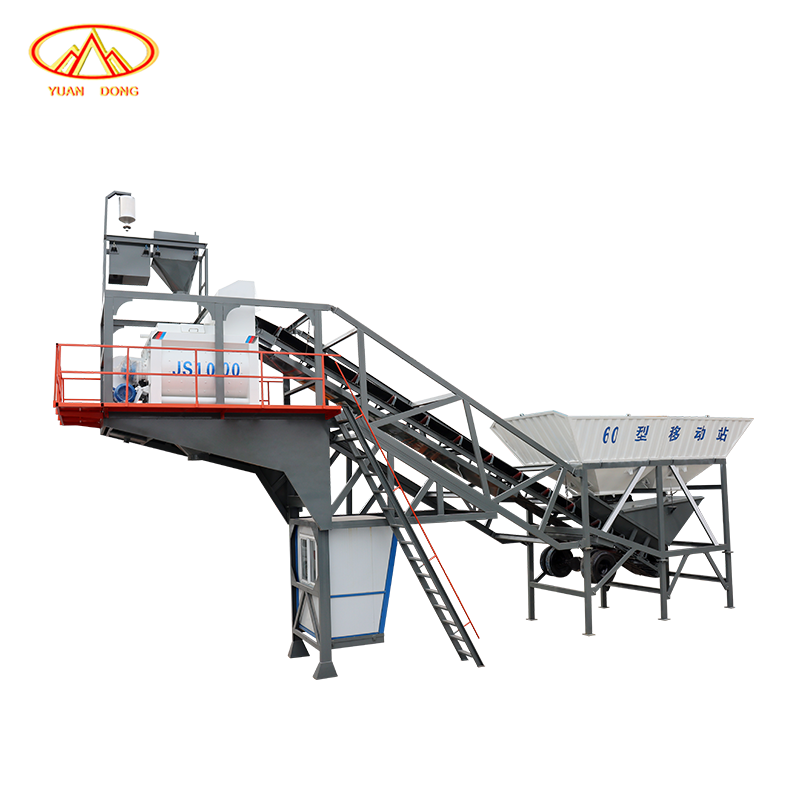
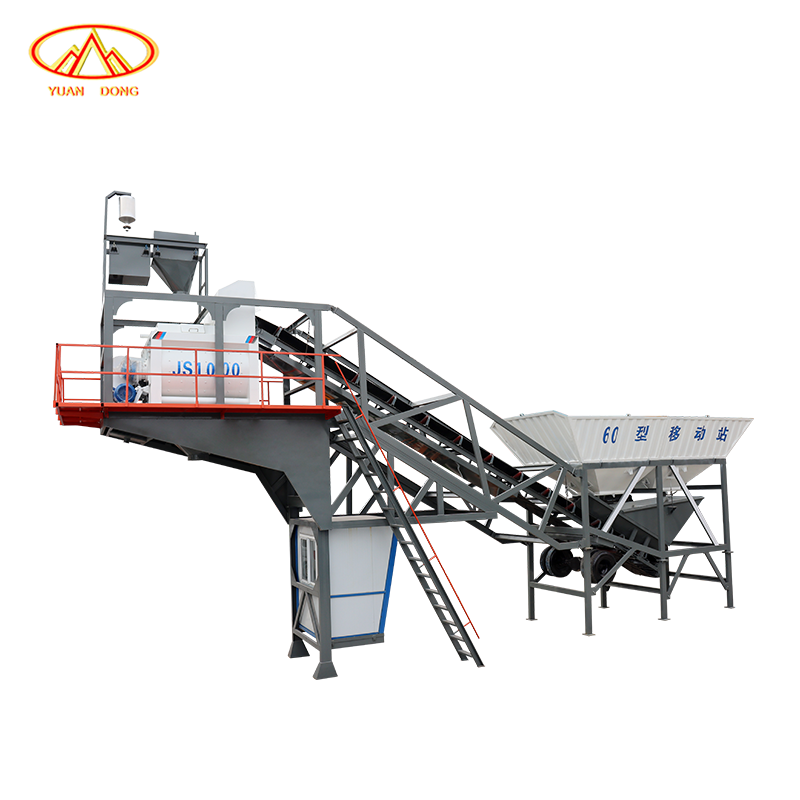
For projects requiring frequent relocation, a mobile concrete batching plant can provide greater flexibility than a traditional stationary plant.
Mobile batching plants can be suitable for:
Highway construction
Bridge construction
Railway projects
Municipal infrastructure
Remote construction sites
Multi-site projects
Overseas construction projects
Depending on the design, mobile equipment can reduce installation time and make relocation between construction sites more convenient.
Before choosing a mobile plant, buyers should consider transportation regulations, site conditions, required production capacity, installation requirements, and project duration.
Concrete batching plants often operate in demanding environments with dust, vibration, heavy material loads, and continuous production requirements.
Therefore, equipment structure, material selection, component quality, and manufacturing processes are important considerations.
When inspecting a batching plant, pay attention to:
Structural steel quality
Welding quality
Mixer construction
Wear-resistant components
Electrical components
Weighing system
Conveyor system
Control system
Safety protection
A durable design can help reduce unexpected downtime and maintenance requirements during long-term operation.
Some professional manufacturers provide a wider range of construction equipment instead of supplying only one batching plant.
Depending on project requirements, a complete equipment solution may include:
Concrete batching plants
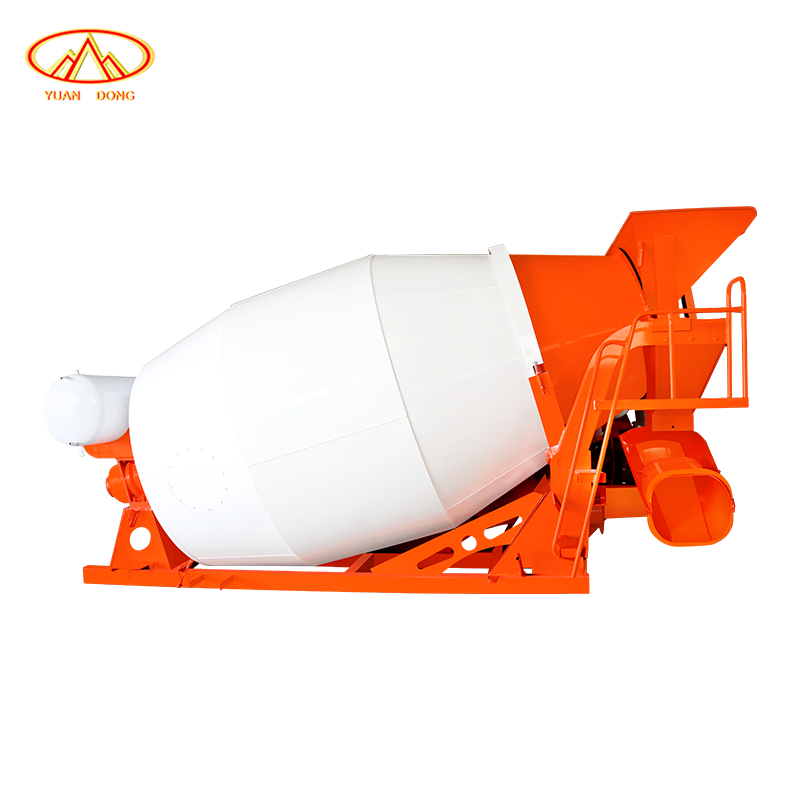
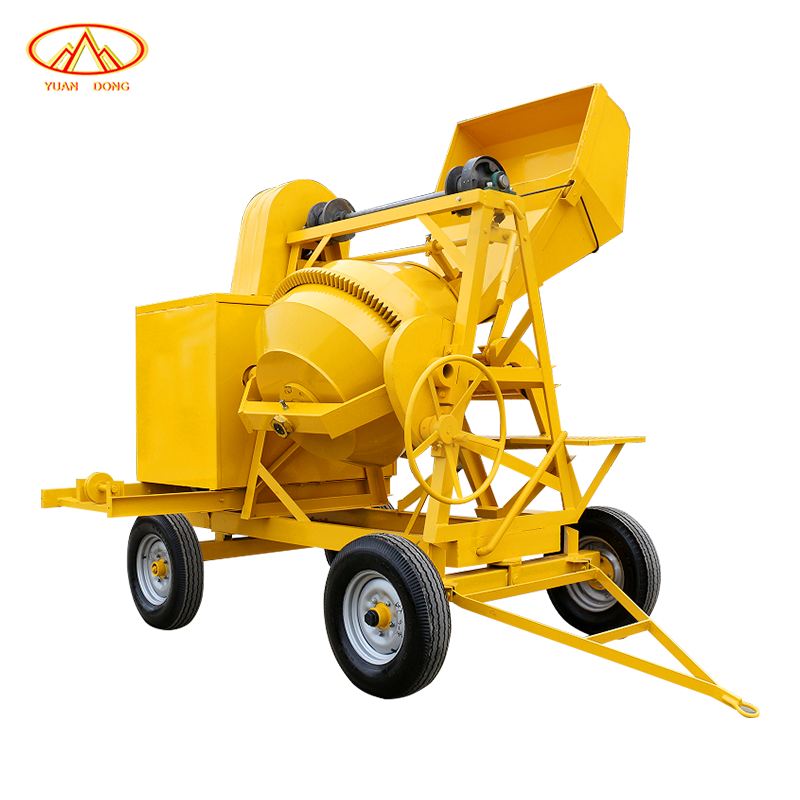
Concrete mixers
Twin-shaft concrete mixers
Mobile batching plants
Stabilized soil mixing plants
Cement silos
Aggregate storage systems
Concrete transportation equipment
Other construction machinery
Working with one experienced equipment manufacturer can simplify procurement, technical communication, spare parts management, and after-sales service.
Purchasing equipment is only part of a successful project. Proper installation, commissioning, and operation are equally important.
Professional manufacturers may provide technical support for:
Equipment installation
Electrical connection
System commissioning
Trial production
Operator training
Daily maintenance
Troubleshooting
Training should cover equipment operation, safety procedures, routine inspection, maintenance requirements, and basic troubleshooting.
Proper training can help operators use the equipment correctly and reduce avoidable operational problems.
After-sales service is another important factor when choosing a concrete batching plant supplier.
Before purchasing, ask the manufacturer about:
Warranty terms
Remote technical support
Installation assistance
Troubleshooting services
Spare parts availability
Maintenance guidance
Service response time
For overseas projects, it is also important to understand how the manufacturer provides international technical support and spare parts.
A reliable service system can help minimize equipment downtime and keep construction projects operating smoothly.
Equipment price is an important part of the purchasing decision, but the lowest quotation does not necessarily represent the lowest overall project cost.
For example, equipment with a lower initial price may have differences in material quality, component configuration, automation systems, technical support, or after-sales service.
If equipment experiences frequent failures, the resulting repair costs, spare parts costs, labor costs, and project delays can increase the total cost of ownership.
Therefore, buyers should evaluate:
Initial equipment investment
Installation costs
Energy consumption
Maintenance costs
Spare parts
Service costs
Equipment downtime
Expected service life
A better purchasing approach is to evaluate the overall value and long-term operating cost rather than comparing equipment prices alone.
Before requesting quotations, determine your basic requirements, including:
Concrete production capacity
Project duration
Site size
Installation conditions
Required concrete types
Fixed or mobile plant
Local power conditions
Transportation requirements
Clear requirements allow manufacturers to recommend more suitable equipment configurations.
Do not evaluate a manufacturer based only on its website or quotation.
Compare manufacturers according to:
| Evaluation Factor | What to Check |
|---|---|
| Factory | Production facilities and manufacturing capabilities |
| Equipment | Structure, components and configuration |
| Technology | Automation and control systems |
| Customization | Layout and equipment modification capabilities |
| Installation | Commissioning and technical support |
| After-sales | Warranty, troubleshooting and spare parts |
| Experience | Relevant project applications |
| Price | Total investment and long-term operating costs |
This approach provides a more comprehensive basis for purchasing decisions.
If possible, conduct an on-site factory inspection.
A factory visit allows buyers to verify:
Actual production capabilities
Manufacturing processes
Equipment quality
Quality control
Finished equipment
Technical personnel
Production capacity
For large-scale infrastructure projects, an on-site inspection can be particularly valuable before signing a purchase contract.
Ask the manufacturer for relevant project references.
Projects involving highways, bridges, railways, water conservancy, municipal construction, commercial concrete, and other infrastructure applications can help buyers understand how the equipment is used in real-world conditions.
Before placing an order, clearly confirm the manufacturer's installation, commissioning, training, warranty, spare parts, and technical support arrangements.
For international projects, also confirm shipping, packaging, installation guidance, remote support, and spare parts supply.
Regular maintenance is essential for maintaining equipment performance and extending service life.
Operators should regularly inspect and clean key components, check lubrication points, inspect fasteners, and monitor equipment operation.
Mixing blades, liners, conveyor components, and other wear parts should be inspected regularly. Replacing worn components in time can help maintain mixing efficiency and reduce the risk of unexpected downtime.
The control cabinet, sensors, wiring, switches, and other electrical components should be checked according to the manufacturer's maintenance recommendations.
When a serious equipment problem occurs, operators should contact the manufacturer's technical support team rather than attempting complex repairs without proper training.
Remote technical support can help identify common problems, while on-site service may be required for more complicated equipment failures.
When purchasing large-scale concrete batching plant equipment, an on-site factory inspection can help buyers understand the difference between manufacturers more clearly.
Instead of comparing only online prices, buyers can directly evaluate:
Manufacturing capability → Equipment quality → Technical expertise → Project experience → Service capability
This provides a more practical basis for selecting a suitable supplier.
Selecting a concrete batching plant manufacturer is a long-term equipment investment rather than simply a price comparison.
A reliable supplier should be evaluated based on its manufacturing capabilities, equipment quality, customization services, automation technology, installation support, after-sales service, spare parts supply, and project experience.
Before making a final decision, buyers should:
Define project requirements.
Compare qualified manufacturers.
Inspect the manufacturer's factory.
Check equipment configuration and quality.
Review relevant project cases.
Confirm installation and technical support.
Evaluate after-sales service and spare parts.
Compare total cost of ownership rather than purchase price alone.
For construction companies looking for concrete batching plants, mobile concrete batching plants, concrete mixers, stabilized soil mixing plants, cement silos, and related construction equipment, choosing an experienced manufacturer can help simplify procurement and provide more comprehensive technical support throughout the project lifecycle.
 Hot News
2026-09-29
2026-09-28
2026-09-21
2026-09-20
2026-09-18
2026-09-14

 EN
EN