
 EN
EN
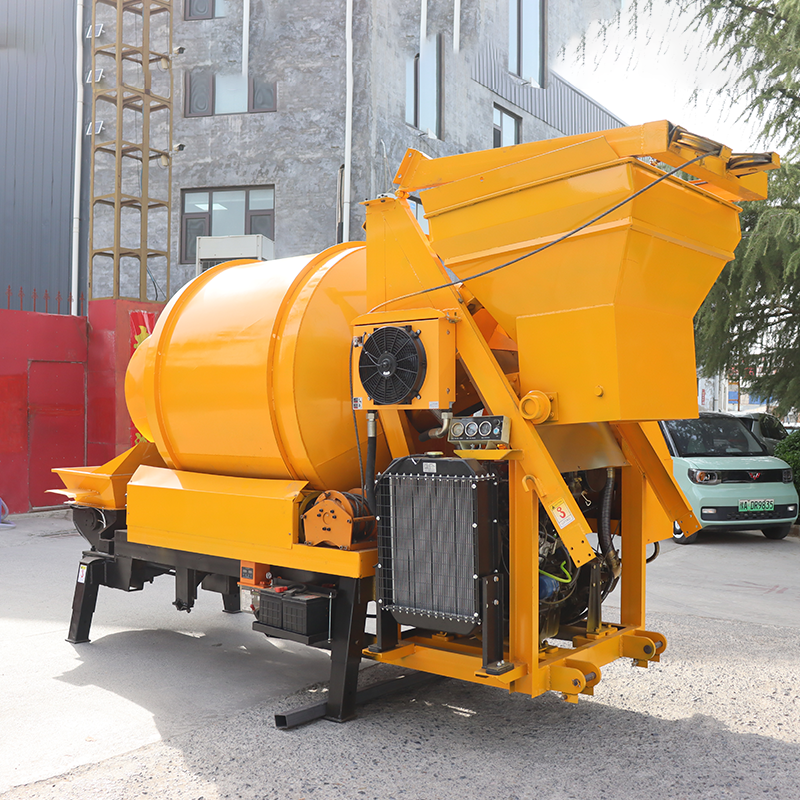
Pompe à béton la sécurité reste l’un des enjeux les plus critiques dans les opérations modernes de construction, et pourtant de nombreux chantiers négligent encore des précautions fondamentales permettant d’éviter les accidents et les blessures. Que vous utilisiez une pompe à béton à flèche, une pompe à béton à ligne ou tout autre système de livraison de béton, la maîtrise des protocoles de sécurité relatifs aux pompes à béton peut faire la différence entre un projet mené sans accroc et un incident coûteux. Les professionnels de la construction qui accordent la priorité à la sécurité des pompes à béton réduisent les temps d’arrêt des équipements, protègent leur personnel et respectent les normes réglementaires applicables au fonctionnement des machines lourdes.
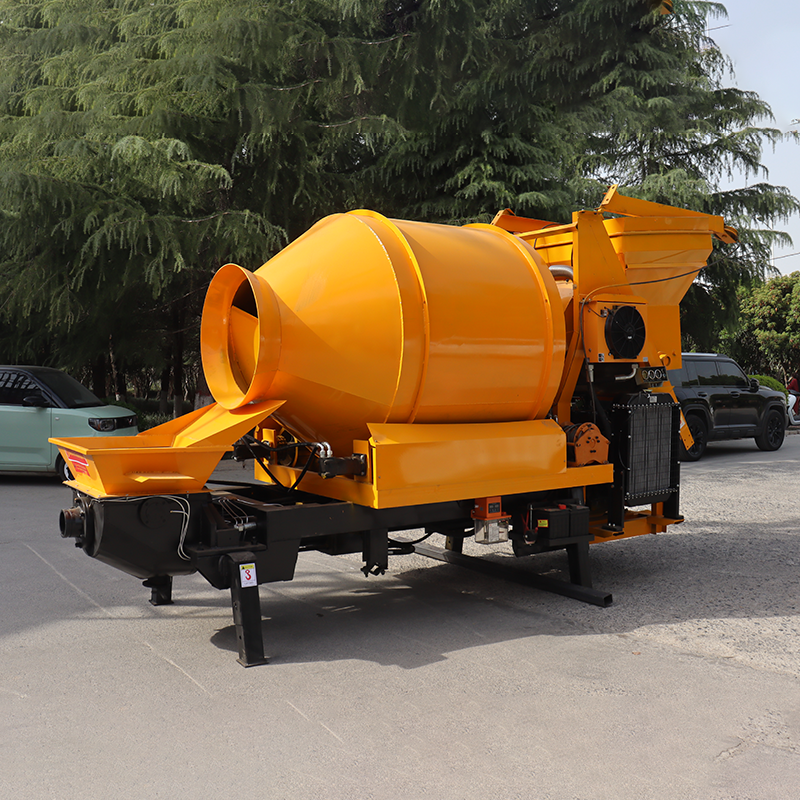
Chaque jour, les chantiers de construction utilisent des pompes à béton pour acheminer le béton vers les sections surélevées, les fondations profondes et les zones difficiles d’accès. La puissance et la complexité de ces machines exigent respect et stricte application des mesures de sécurité relatives aux pompes à béton. Les opérateurs, les superviseurs et les responsables de chantier doivent comprendre comment les pannes d’équipement, les techniques inappropriées ou une formation insuffisante créent des conditions dangereuses mettant en péril le personnel et perturbant les calendriers de projet. L’instauration d’une solide culture de sécurité autour des opérations de pompage du béton commence par la formation, l’inspection des équipements et des protocoles de communication clairs.
Exigences en matière de formation et de certification des opérateurs
Comprendre les normes de compétence des opérateurs
La sécurité des pompes à béton commence par des opérateurs correctement formés et certifiés, capables de comprendre le fonctionnement des équipements et de reconnaître les dangers. Les opérateurs doivent suivre des programmes de formation officiels couvrant les types de pompes, les systèmes de commande, les procédures d’urgence et les protocoles de communication sur le chantier. Les programmes de certification attestent que les opérateurs possèdent les connaissances et les compétences pratiques nécessaires pour manipuler des systèmes à haute pression, gérer les lignes de tuyaux souples et réagir de façon appropriée en cas de dysfonctionnement de l’équipement. De nombreuses juridictions exigent que la formation en sécurité des pompes à béton comprenne à la fois des cours théoriques et des démonstrations pratiques avant que les opérateurs ne puissent assumer seuls des responsabilités sur des chantiers de construction actifs.
Développement continu des compétences
La sécurité des pompes à béton s'améliore considérablement lorsque les opérateurs suivent régulièrement des formations de recyclage et des évaluations de compétences tout au long de leur carrière. Des mises à jour annuelles ou bisannuelles de la formation garantissent que les opérateurs restent informés des évolutions technologiques des équipements, des meilleures pratiques sectorielles et des modifications réglementaires affectant les normes de sécurité des pompes à béton. Les superviseurs doivent réaliser des examens de compétence documentés et encourager les opérateurs à signaler les quasi-accidents ou les anomalies d’équipement pouvant indiquer l’apparition de risques pour la sécurité. Les organisations qui investissent dans une formation continue en matière de sécurité des pompes à béton enregistrent moins d’incidents et démontrent ainsi leur engagement en faveur de la protection des travailleurs auprès des autorités réglementaires et des clients.
Inspection et entretien de l’équipement avant mise en service
Protocoles d’inspection quotidiens pour la sécurité des pompes à béton
La sécurité des pompes à béton repose fondamentalement sur des inspections quotidiennes approfondies avant le début de chaque poste opérationnel. Les opérateurs et les techniciens de maintenance doivent examiner systématiquement les tuyaux hydrauliques à la recherche de fissures, de renflements ou de fuites pouvant entraîner des défaillances catastrophiques sous pression. Les valves de décharge de pression, les articulations du bras et les connexions électriques nécessitent une inspection visuelle afin de garantir leur bon fonctionnement dans les limites des spécifications de conception. Les listes de vérification de sécurité pour les pompes à béton doivent consigner l’état des tuyaux, les performances de la pompe lors des essais à vide, la réactivité des commandes et le bon fonctionnement du système d’alarme, créant ainsi un enregistrement vérifiable qui démontre la diligence requise et soutient les efforts d’amélioration continue.
Planifications d'Entretien Préventif
Établir des calendriers de maintenance préventive est essentiel pour la sécurité des pompes à béton et permet de prolonger la durée de vie des équipements tout en évitant les pannes soudaines. Les niveaux de fluide hydraulique, l’état des filtres et l’usure des roulements de la pompe influencent directement le fonctionnement fiable des systèmes de sécurité des pompes à béton sous contrainte opérationnelle. Le personnel d’entretien doit suivre les spécifications du fabricant concernant les changements d’huile, les inspections d’étanchéité et les intervalles de remplacement des composants, adaptés au modèle spécifique de votre équipement et à ses heures de fonctionnement. La sécurité des pompes à béton s’améliore lorsque les registres d’entretien sont tenus de façon systématique, créant ainsi un historique traçable qui éclaire les décisions de réparation, identifie les motifs récurrents de défaillance et justifie le retrait de l’équipement dès que les limites d’usure sont atteintes.
Procédures d’exploitation sécurisées et coordination sur le chantier
Gestion de la pression et manipulation des flexibles
La sécurité lors de l’exploitation d’une pompe à béton repose sur une gestion adéquate de la pression et une manipulation contrôlée du flexible afin d’éviter les ruptures, les reculs violents ou les projections de béton. Les opérateurs doivent connaître la pression maximale nominale de leur équipement et veiller à ce que les opérations restent toujours dans les limites sécuritaires, tout en surveillant continuellement les manomètres pendant les cycles de pompage. Les flexibles doivent être solidement ancrés et acheminés loin des passages piétonniers afin d’éliminer les risques de trébuchement et de garantir qu’une éventuelle libération soudaine de pression n’entraîne pas de blessures chez les travailleurs à proximité. Les protocoles de sécurité pour les pompes à béton exigent des inspections visuelles régulières des flexibles pendant le fonctionnement, ainsi qu’un arrêt immédiat en cas de vibrations inhabituelles, de pics de pression ou d’anomalies sonores signalant une défaillance imminente.
Communication et zones de contrôle du chantier
La sécurité des pompes à béton va au-delà de l’opérateur et englobe des systèmes de communication clairs ainsi que des zones d’accès restreint autour des équipements en fonctionnement. Des observateurs désignés, positionnés là où l’opérateur peut les voir directement, contribuent à prévenir les collisions et à garantir un positionnement sécurisé de la flèche autour des structures et du personnel. Les zones de sécurité des pompes à béton doivent être clairement délimitées par des panneaux d’avertissement, des barrières de sécurité ou des marquages au sol afin d’informer les travailleurs que l’équipement est en service et qu’une entrée non autorisée est interdite. Une communication radio bidirectionnelle entre l’opérateur, l’observateur et l’équipe de coulage du béton établit une structure de commandement unifiée qui réduit les confusions, coordonne les délais et assure une réaction rapide aux changements de conditions ou aux situations d’urgence.
Réponse aux urgences et prévention des incidents
Reconnaissance des dangers et évaluation des risques
Les programmes efficaces de sécurité pour les pompes à béton développent la capacité des travailleurs à identifier les dangers émergents avant qu’un incident ne se produise. Les opérateurs et le personnel à proximité doivent comprendre les risques liés à la pression, les dangers électriques associés aux conditions humides, ainsi que les risques d’entraînement par l’équipement durant la mise en place et l’exploitation. Des réunions régulières sur le terrain (« toolbox talks ») doivent mettre en lumière les incidents récents survenus dans le secteur, les quasi-accidents sur vos propres chantiers, et les dangers spécifiques liés aux conditions particulières de votre site. La sécurité des pompes à béton s’améliore lorsque les superviseurs encouragent les travailleurs à arrêter immédiatement les opérations s’ils observent des anomalies sur l’équipement, des surfaces instables, des risques météorologiques ou des changements inattendus dans le comportement de l’équipement.
Procédures d’arrêt d’urgence et de première intervention
Les protocoles de sécurité pour les pompes à béton doivent inclure des procédures claires d’arrêt d’urgence et une formation aux premières interventions, afin que tout le personnel sache comment réagir en cas d’incident. Chaque opérateur doit connaître l’emplacement et le fonctionnement des commandes d’arrêt d’urgence, ainsi que la méthode permettant d’isoler rapidement la pression si une rupture de tuyau ou un dysfonctionnement de l’équipement met en danger la sécurité du personnel. Le personnel médical sur site et les superviseurs doivent recevoir une formation spécifique aux blessures liées à la sécurité des pompes à béton, notamment aux plaies par injection à haute pression, qui semblent superficiellement bénignes mais peuvent provoquer une destruction des tissus nécessitant une intervention chirurgicale. Les plans de sécurité pour les pompes à béton doivent détailler les procédures de contact d’urgence, les établissements médicaux les plus proches, les exigences en matière de documentation des incidents et les processus de débriefing post-incident favorisant l’apprentissage continu.
FAQ
Quelles certifications spécifiques sont requises pour les opérateurs de pompes à béton ?
La plupart des juridictions exigent que les opérateurs suivent une formation en sécurité pour les pompes à béton dispensée par des programmes accrédités, couvrant le fonctionnement de l’équipement, la reconnaissance des dangers et les procédures d’urgence. Les exigences en matière de certification varient selon la région, mais de nombreux endroits imposent aux opérateurs de démontrer leur compétence au moyen d’examens écrits et d’évaluations pratiques avant de pouvoir utiliser des pompes à béton de façon autonome sur des chantiers commerciaux. Les employeurs doivent vérifier les exigences réglementaires applicables dans leur juridiction et conserver à jour la documentation relative à toutes les certifications en sécurité pour les pompes à béton, afin de garantir la conformité et de se protéger contre toute responsabilité.
À quelle fréquence les inspections de sécurité pour les pompes à béton doivent-elles être effectuées ?
La sécurité des pompes à béton exige des inspections préalables à l’exploitation effectuées quotidiennement avant chaque poste de travail, ainsi qu’une maintenance complète de l’équipement réalisée conformément aux spécifications du fabricant, généralement tous les 250 à 500 heures de fonctionnement. Des inspections visuelles des flexibles, des systèmes sous pression et des mécanismes de commande doivent être effectuées avant et après chaque utilisation, tandis que les rendez-vous de service professionnels portent sur les composants internes et l’intégrité du système hydraulique. L’établissement d’un calendrier documenté d’inspections de sécurité pour les pompes à béton démontre la conformité réglementaire et permet de créer des registres traçables prouvant que votre organisation accorde la priorité à l’intégrité de l’équipement et à la protection des travailleurs.
Que doivent faire les chantiers après la survenue d’un incident lié à la sécurité des pompes à béton ?
La réponse à un incident de sécurité impliquant une pompe à béton exige une attention médicale immédiate pour les travailleurs blessés, l’arrêt immédiat de l’équipement afin d’éviter des dégâts supplémentaires, et la préservation des éléments de preuve destinés à l’enquête. Les superviseurs sur site doivent documenter l’incident de façon exhaustive, y compris l’état de l’équipement, les actions de l’opérateur, les facteurs environnementaux et les déclarations de témoins, afin d’alimenter l’analyse de la sécurité des pompes à béton et la planification d’actions correctives. Les organisations doivent mener des enquêtes sur les causes profondes afin de déterminer si les incidents résultent d’une défaillance de l’équipement, d’une erreur de l’opérateur, d’une formation insuffisante ou de lacunes procédurales, puis mettre en œuvre des améliorations ciblées pour prévenir leur récurrence et renforcer globalement la culture de sécurité liée aux pompes à béton au sein de vos opérations.