
 EN
EN
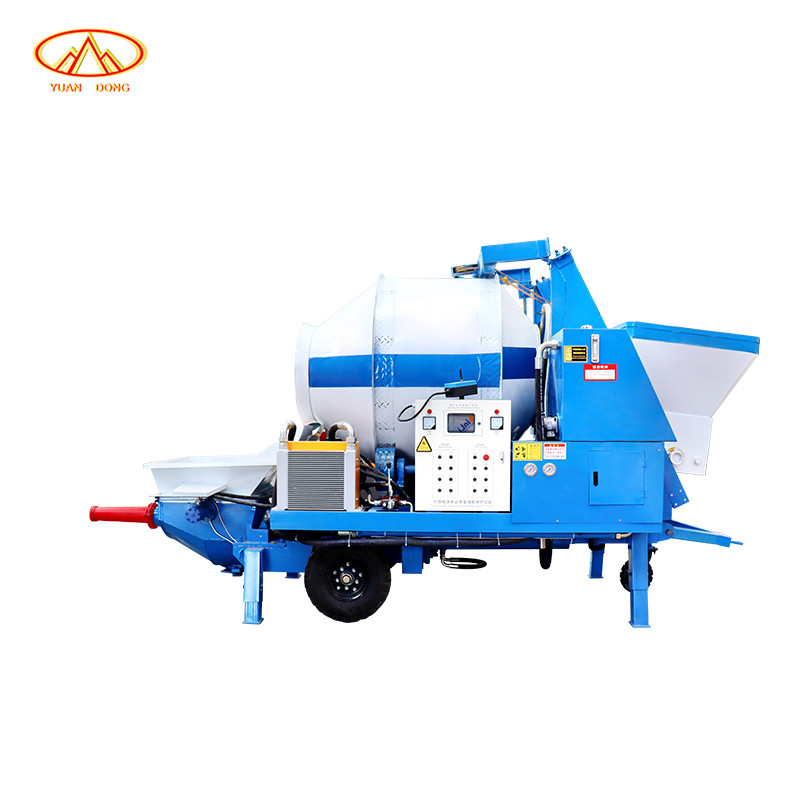
When planning a concrete delivery strategy for your construction project, understanding the difference between a concrete pump and a boom pump is essential. Both solutions serve the critical function of transporting and placing concrete, yet they operate through distinct mechanisms and excel in different project scenarios. A concrete pump transfers liquid concrete through hoses or pipes under pressure, while a boom pump combines pumping capability with an articulated arm for precise placement. Choosing the right concrete pump technology directly impacts project efficiency, cost control, and quality outcomes.
The selection between a concrete pump and boom pump depends on multiple factors including site layout, vertical reach requirements, placement precision, project duration, and budget constraints. Both technologies have proven themselves across residential, commercial, and infrastructure projects worldwide. Understanding their core capabilities, operational advantages, and practical limitations enables project managers and contractors to make informed decisions that optimize delivery schedules and reduce waste.
Core Differences Between Concrete Pump and Boom Pump Technologies
Operating Mechanism and Delivery Method
A concrete pump works by drawing concrete from a hopper and forcing it through delivery hoses using hydraulic pressure. The concrete pump operates independently of placement equipment, relying on operators to manually guide hoses to reach desired locations. This concrete pump design offers flexibility because the hose can be routed around obstacles and extended to considerable distances. In contrast, a boom pump integrates the pumping system with a large hydraulic arm featuring multiple articulated segments. The boom pump arm can rotate and extend to reach high-rise areas with precision positioning capabilities that surpass traditional concrete pump setups.
Reach and Vertical Capability
Standard concrete pump systems typically reach distances of 100 to 150 meters horizontally when equipped with extended hose lengths, though vertical reach remains limited by hose design and pressure management. A boom pump provides superior vertical capabilities, with many models reaching heights exceeding 70 meters while maintaining exceptional accuracy. The concrete pump requires hose support structures at significant heights, creating potential safety concerns and limiting practical vertical reach. Boom pump technology eliminates this limitation through rigid boom segments that can support their own weight and the concrete load without requiring intermediate support, making the boom pump superior for high-rise construction.
Application Scenarios and Project Suitability
When a Concrete Pump Excels
The concrete pump proves most valuable in projects with complex site layouts, narrow access restrictions, or scattered pour locations. When your concrete pump needs flexibility to reach around obstacles or cover extensive horizontal distances, this technology outperforms boom alternatives. Multi-story residential buildings using flat slabs often benefit from concrete pump arrangements where hoses can be positioned at each floor level. The concrete pump also works effectively for ground-level foundation pours, basement work, and projects where a single pump serves multiple application points across extended distances.
When a Boom Pump Delivers Superior Value
High-rise construction projects heavily favor boom pump technology due to vertical reach capabilities and placement accuracy. When your project demands rapid cycle times and minimal manual hose repositioning, a boom pump dramatically improves productivity. Commercial developments, parking structures, and bridge work consistently benefit from boom pump efficiency. The boom pump delivers concrete directly to formwork with minimal spillage and waste, reducing cleanup costs and improving concrete quality at placement. Projects with tight timelines particularly benefit from the boom pump's ability to position concrete precisely without requiring manual intervention for each delivery cycle.
Operational Considerations and Economic Impact
Cost Structure and Equipment Investment
A concrete pump rental typically costs less initially than boom pump equipment, making it attractive for budget-conscious projects. However, the concrete pump requires constant operator involvement and hose management, creating ongoing labor expenses. When calculating total project cost, factor in operator time, hose maintenance, hose replacement due to pressure-related failures, and potential concrete waste. A boom pump demands higher initial equipment investment but delivers labor cost savings through automation and efficiency gains. The concrete pump becomes economically competitive only on projects where labor availability is abundant and placement requirements remain relatively simple.
Site Safety and Operational Control
Operating a concrete pump involves managing high-pressure hoses that can create safety hazards if improperly secured or pressurized beyond design limits. The concrete pump requires rigorous hose inspection protocols and trained personnel to prevent accidents. Boom pump systems integrate safety features including pressure relief valves, stabilizer outriggers, and precise motion controls that reduce operator error risks. The boom pump provides superior visibility and directional control compared to manual hose guidance required by traditional concrete pump operations. When site safety represents a priority concern, boom pump technology generally offers superior accident prevention capabilities due to integrated safety systems and reduced manual hose handling.
Technical Performance and Quality Outcomes
Concrete Quality and Placement Precision
Long hose runs required by concrete pump systems can cause segregation, where aggregate settles while paste continues flowing, degrading concrete quality. High-pressure concrete pump operations sometimes generate excessive turbulence affecting air entrainment and homogeneity. A boom pump minimizes hose length through direct placement, preserving concrete consistency and structural performance. Boom pump placement accuracy reduces finishing work and improves surface quality in architectural concrete applications. When structural integrity and concrete quality represent critical specifications, boom pump technology consistently outperforms extended concrete pump hose arrangements.
Maintenance Requirements and Equipment Longevity
The concrete pump requires frequent hose replacement due to pressure cycling, abrasion, and concrete curing inside delivery lines. These maintenance demands accumulate significant costs over extended operating periods. A boom pump features rigid boom segments requiring less frequent replacement and more predictable maintenance scheduling. Boom pump engines and hydraulic systems require standard industrial maintenance comparable to other construction equipment. The concrete pump demands more intensive care and monitoring to prevent emergency failures during active pours, creating operational complexity that boom pump designs avoid through superior component durability.
FAQ
What determines whether a project should use a concrete pump or boom pump?
Project selection depends on vertical reach requirements, site access constraints, placement precision needs, and budget considerations. Evaluate your concrete pump requirements against vertical heights that exceed 50 meters, complex high-rise access patterns, or tight scheduling demands that favor boom pump efficiency. If your project involves ground-level scattered pours across an extensive horizontal area with simple access, a concrete pump may prove more economical. Assess your concrete pump needs by comparing site layout complexity, available budget, operator availability, and timeline pressure before making your final selection.
Can a concrete pump handle the same volume output as a boom pump?
Most commercial concrete pump systems and boom pump equipment deliver similar hourly volumes, ranging from 30 to 60 cubic meters per hour. However, the concrete pump's actual productivity often suffers due to repositioning delays and hose management time that reduce effective placement rates. The boom pump maintains consistent output throughout the pour because vertical repositioning requires minimal time between placement cycles. When comparing concrete pump output against boom pump productivity, account for these operational efficiency differences beyond theoretical flow rates.
Which equipment option minimizes total project costs for concrete delivery?
The concrete pump reduces upfront equipment costs but creates ongoing labor expenses and potential waste from segregation or spillage. A boom pump demands higher initial rental fees but delivers labor savings and quality benefits that offset equipment costs on projects exceeding 5,000 cubic meters. Calculate your concrete pump total cost including operator wages, hose replacement, maintenance, and waste factors. Compare this against boom pump rental fees, fuel costs, and the reduced labor requirements to identify which concrete pump approach optimizes your specific project economics.