
 EN
EN
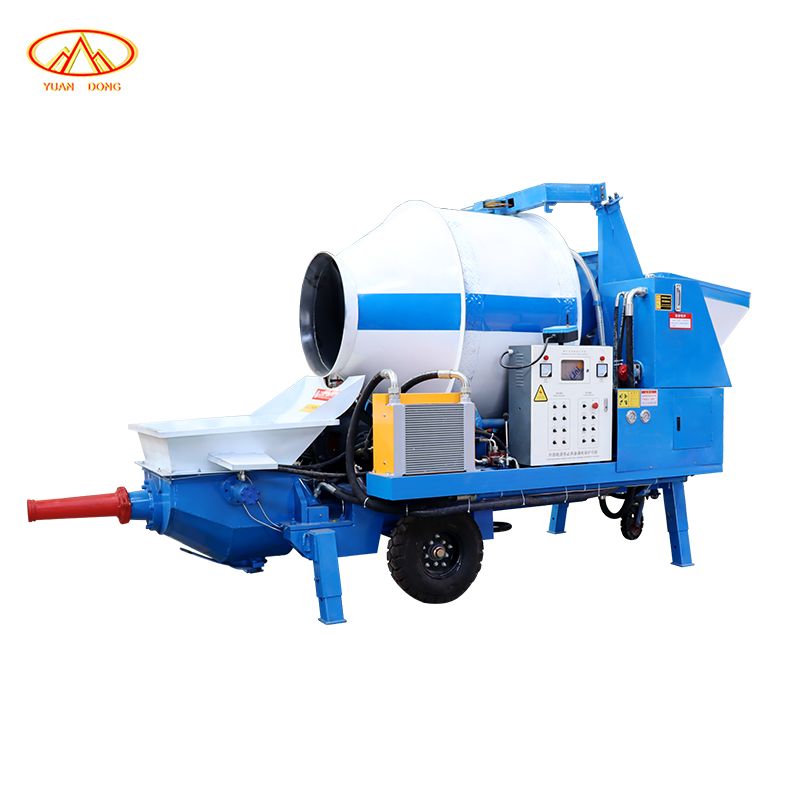
Изборът на правилното избор на бетонна помпа изисква разбиране на уникалните изисквания на вашия проект, условията на строителната площадка и обема на доставката. Неподходящо избраната помпа може да доведе до забавяния, по-високи разходи и проблеми с качеството, докато правилният избор гарантира безпроблемно поставяне на бетона и оптимална продуктивност. Това ръководство ви води през основните фактори, които определят ефективния избор на бетонна помпа за строителни проекти с всякакъв мащаб.
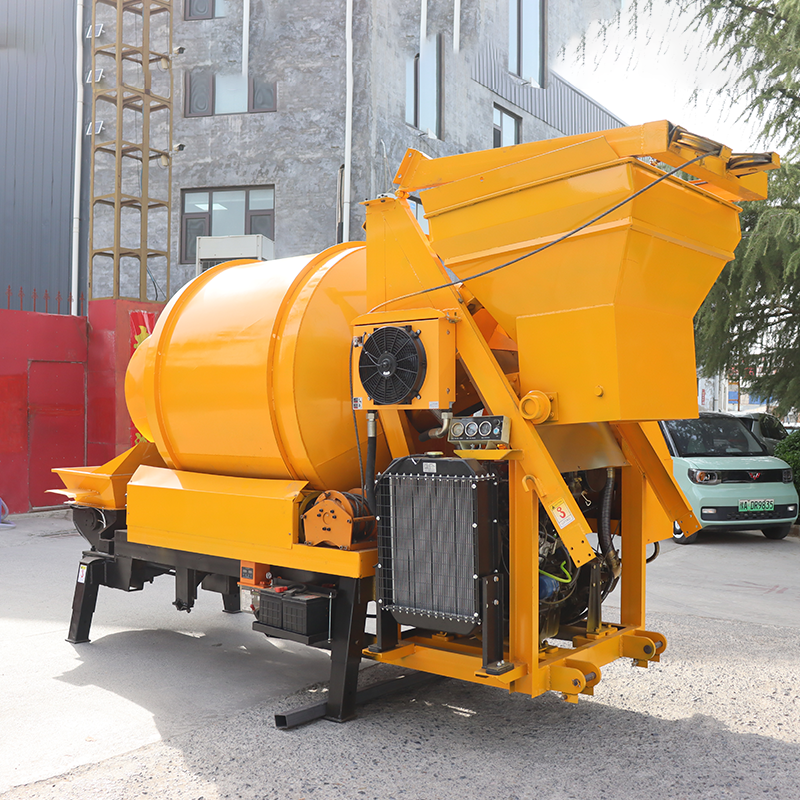
Рисковете при избор на бетонна помпа надхвърлят решенията за наемане или закупуване на оборудване. Вашият избор влияе върху графикът на работите, разпределението на работната сила, състава на бетонната смес и дори върху протоколите за безопасност на площадката. Разбирането на различните типове помпи, капацитета им за доставка и възможностите им за поставяне дава възможност на мениджърите на проекти и подизпълнителите да вземат решения, базирани на данни, които отговарят на ограниченията в бюджета и натиска върху сроковете.
Разбиране на типовете бетонни помпи и тяхната роля за успеха на проекта
Стационарни помпи с голяма стрела срещу мобилни решения
Помпите с голяма стрела представляват най-многофункционалната категория за избор на бетонна помпа на средни и големи строителни обекти. Тези агрегати комбинират мощен помпен двигател със зъбчато манипулационно рамо, което може да достигне височина от 30 до 60 метра, осигурявайки прецизно разполагане на бетона на горните етажи, в дълбоки изкопи и в труднодостъпни зони. Стационарните помпи с манипулационно рамо се закрепват на определено място чрез подпори и предлагат изключителен контрол и обхват, което ги прави идеални за проекти с високи сгради, паркинги и фундаментни работи, където точността има значение.
Линейните помпи и помпите с прикачено шаси обслужват различни специализирани приложения в рамките на избор на бетонна помпа съображения. Линейните помпи се монтират директно върху бетономесителни камиони и са изключително мобилни, което ги прави подходящи за по-малки проекти, отдалечени обекти или ситуации, при които бързото монтиране и демонтиране са приоритет. Помпите с прикачено шаси заемат средно положение, като предлагат преносимост без компромиси относно обхвата или капацитета, и са подходящи за жилищни проекти в предградията или ремонтни работи, където пространството на обекта е ограничено.
Съответствие между капацитета и производителността и мащаба на проекта
Конкретна помпа изборът на производителност зависи от дневния ви обем за изливане, характеристиките на бетонната смес и графикът за изливане. За малки жилищни проекти може да са необходими 20 до 30 кубични метра на час, докато за големи търговски изливания се изискват 80 до 120 кубични метра на час. Използването на помпа с недостатъчна производителност води до множество отделни изливания, удължава сроковете и увеличава разходите за труд; използването на помпа с прекалено висока производителност води до загуба на наемни разходи и може да предизвика ненужно задръстване на площадката. Ефективното избор на бетонна помпа съответства точно на планирания обем бетон и ритъма на работния ви ден.
Производителността на помпата взаимодейства по сложен начин с консистенцията (слъмп) на бетона, гранулометричния състав на агрегата и добавките. По-гъстите бетонни смеси и по-големите фракции на агрегата намаляват ефективната производителност на помпата, което изисква или резервна производителност, или преработка на сместа. По време на избор на бетонна помпа , сътрудничете с вашия доставчик на готов бетон и оператора на помпата, за да потвърдите, че спецификацията на вашия бетон съответства на номиналната производителност на помпата при реални условия, а не само на теоретичния максимум.
Фактори, специфични за обекта, които определят избора на бетонна помпа
Достъп, география и физически ограничения
Геометрията на обекта принципно ограничава избор на бетонна помпа възможностите. Проектите за реконструкция в градската среда с тесни улици може напълно да изключват използването на големи помпи с ръка, принуждавайки към използване на линейни помпи или по-малки мобилни единици. Обратно, разпространените приградски обекти с открити зони за подготвителни дейности позволяват разполагането на пълноразмерни стационарни помпи с ръка. Извършете проучване на границите на обекта, измерете височината на надземните препятствия, идентифицирайте подземните инженерни мрежи чрез услуги за локализация и оценете носимостта на почвата, преди да вземете окончателно решение. избор на бетонна помпа .
Вертикалното издигане, хоризонталният обсег и способността за избягване на препятствия определят дали конкретна бетонопомпа може физически да обслужва вашите зони за поставяне. Бутало с дължина 40 метра може да не достигне до далечния ъгъл на голяма етажна плоча, ако помпата е разположена в един от ръбовете; преместването на помпата по средата на бетонирането води до допълнителни разходи и простои. Моделирайте геометрията на поставянето върху строителните планове, потвърдете обсега на буталото и радиуса на завъртане с доставчика на помпата и включете времето за преместване в графика си по време на избор на бетонна помпа планиране.
Времето, продължителността и оперативната готовност
Сезонните условия и продължителността на проекта формират избор на бетонна помпа стратегията значително. Зимата в студените климатични зони изисква подгрят бетон, който тече по-различно и може да запушва стандартните помпени тръби; необходими стават подгряти помпени контури или специални бетонни смеси. Влажните тропически климатични зони ускоряват времето за втвърдяване на бетона, което изисква по-бързи темпове на разливане и потенциално по-голяма помпена мощност в сравнение с умерените климатични зони за идентични разливания. Проектите с продължителност от няколко седмици или месеци оправдават инвестициите в собствено или дългосрочно наето оборудване, докато за еднократни разливания е подходящо краткосрочното наемане.
Наличността на оборудването и експертността на операторите също оказват влияние избор на бетонна помпа . Премиалните доставчици на помпи прилагат графици за поддръжка, които могат да предизвикат дефицит на оборудване по време на пиковите строителни сезони. Потвърдете наличността на оборудването 4 до 6 седмици предварително и осигурете резервни доставчици, за да избегнете забавяния в проекта. Опитните оператори на помпи са също толкова критични; екипите с опит оптимизират скоростите на течение, диагностицират проблеми с налягането и предотвратяват прекъсвания на тръбите, които често се предизвикват от неопитни екипи.
Технически показатели за производителност и разглеждани дългосрочни разходи
Номинален налягане, дебит и съвместимост на материала
Номиналното налягане на помпата директно влияе върху разстоянието на поставяне и дебелината на бетона при избор на бетонна помпа оценката. Стандартните помпи, монтирани на камиони, работят при налягане от 250 до 280 bar, което е достатъчно за повечето конвенционални бетони на разстояние до 50 метра. Помпите с ултрависоко налягане (350+ bar) увеличават обхвата, но повишават износа на шланговете, фитингите и тръбите, което води до по-често поддръжка и повече повреди. Самоуплътващият бетон (SCC) и ултра-течните смеси изискват по-ниско налягане, но по-висок дебит, което принципно променя избор на бетонна помпа изчисленията в сравнение с твърдите смеси.
Диаметърът на шланга и подаващата линия значително влияе върху ефективния изход на помпата и профила на налягането по време на избор на бетонна помпа по-големите диаметри на тръбите (125 mm или повече) намаляват спада на налягането и триенето по дължина, което подобрява нетната производителност; по-малките диаметри (75 до 100 mm) са подходящи за по-къси разстояния и осигуряват удобство, но жертват ефективността при по-дълги прокарвания. По-дългите разстояния за подаване изискват системи с по-голям диаметър на тръбите и по-мощни помпи, за да се поддържа целевата скорост на подаване на бетона.
Обща стойност на собствеността и икономика на наемане срещу закупуване
Икономиката при избора на бетонна помпа надхвърля далеч над дневните наемни тарифи. Седмичните или месечните отстъпки при наемане често намаляват разходите с 20 до 30 процента спрямо дневните тарифи, което прави по-дългите договори привлекателни дори за проекти, които първоначално са планирани като краткотрайни бетонирания. Анализът на собствеността става релевантен за общите подизпълнители, които извършват 12 до 20 бетонно интензивни проекти годишно; в този анализ трябва да се включат разходите за закупуване, складиране, поддръжка, застраховка и обучение на операторите, но флотите с висока употреба често оправдават закупуването.
Тарифите за време в режим на готовност, таксите за доставка, разходите за мобилизиране и премиите за оператори често са скрити в избор на бетонна помпа процедурата по набавка. Поискайте цялостни оферти, които детайлизират всеки компонент на разходите, след което водете преговори за комплексни пакети с доставчици, които предлагат няколко услуги (наем на бетонопомпа, оператор, бетон, почистване). Сравнявайте общата проектна стойност, а не само тарифата за наем на бетонопомпата, за да гарантирате, че вашата избор на бетонна помпа избор отговаря на реалностите относно общия бюджет и паричния поток.
Практическо внедряване и координация на операторите
Подготовка на площадката и стратегия за позициониране на помпата
Успешен избор на бетонна помпа се простира и върху логистиката на площадката и подготовката на терена. Зоната за разполагане на помпите трябва да издържа теглото на агрегата, обикновено от 20 до 50 метрични тона за помпи с бутало, което изисква достатъчна носимост на почвата или подсилено основание. Настройката на опорите, манипулирането на буталото и безопасните разстояния изискват свободно работно пространство от 10 до 15 метра около помпата. Координирайте се с екипите за изкопни и ландшафтни работи, за да определите зони за разполагане на помпите на достатъчно голямо разстояние от периметъра на сградата, за да се избегнат бъдещи конфликти, но и достатъчно близо, за да се минимизира дължината на шланговете и загубата на налягане.
Планирането на маршрута за доставка е също толкова критично по време на избор на бетонна помпа внедряване. Широчината на улиците, радиусът на завоите, надземните електропроводи и ограниченията за тегло на мостовете ограничават доставката с бетонна помпа на много градски или селски обекти. Включете логистичния екип на доставчика на помпи още в началото, за да потвърдите възможността за доставка; усложнения по маршрута в последния момент могат да наложат скъпи замени на оборудването или забавяния от няколко дни. Изгответе предварително и поставете подпори за шланговете, пътища за подаване и кофи за бетон преди пристигането на помпата, за да максимизирате продължителността на продуктивното помпене след пристигането ѝ на обекта.
Протоколи за комуникация и корекции в реално време
Ефективният подбор на бетонна помпа изисква безпроблемна координация между оператора на помпата, ръководителя на строителната площадка и доставчика на бетон по време на бетонирането. Операторите следят налягането, скоростта на течността и последователността на подаването в реално време; установяват ясни ръчни сигнали или протоколи за двупосочна радиовръзка, така че екипът за разпределение да може да поиска промяна на скоростта, временна пауза или аварийно спиране без двусмисленост. Консистенцията на бетонната смес от завод за готов бетон варира от партида към партида; операторите динамично регулират газта и налягането, за да осигурят еднородно качество на разпределението — умение, което отличава опитните екипи от начинаещите.
Изплакването след бетонирането и поддръжката на оборудването директно влияят върху избор на бетонна помпа разходи за наем и репутация на изпълнителя. Остатъчният бетон се затвърдява в тръбите и клапаните на помпата, което води до скъпи запушвания, ако не се почисти незабавно след всяко изливане. Предвидете 45–90 минути за измиване с вода и почистващ агент; координирайте времето с вашия доставчик на бетон, за да гарантирате, че отпадната вода от почистването няма да наруши екологичните норми. Операторите, които владеят протоколите за измиване, предотвратяват бъдещи повреди на оборудването и намаляват напрежението с наемната компания, което може да повлияе на качеството на услугите при бъдещи проекти.
ЧЗВ
Какъв е най-важният фактор при избора на бетонна помпа?
Най-важният фактор при избора на бетонна помпа е съответствието между капацитета и обхвата на помпата и конкретните изисквания на проекта ви относно обема на бетонната заливка, вертикалната височина и хоризонталното разстояние. Твърде малка помпа води до забавяния и допълнителни заливки; твърде голяма помпа неоправдано увеличава разходите. Достъпът до строителната площадка и наличността на оператори имат също толкова висок приоритет, тъй като дори помпата с идеален капацитет не може да функционира без безопасна зона за подготвителни дейности и опитен персонал, който да я управлява безопасно и ефективно.
Как мога да разбера дали моят бетонен разтвор е съвместим с конкретна помпа?
Вашият доставчик на бетонна помпа и доставчикът на бетон трябва да координират действията си, преди окончателно да се избере бетонната помпа. Предоставете на доставчика вашата консистенция на бетона (слъмп), размера и градацията на агрегатите, водно-цементното съотношение и всички добавки, които планирате да използвате. Операторът на помпата ще потвърди дали тези параметри попадат в работния диапазон на помпата; ако не, може да се наложи да коригирате състава на бетона, да изберете различна помпа с по-висока налягане или и двете. Никога не приемайте съвместимостта за дадена без писмено потвърждение от двата доставчика, тъй като несъвместимостта на смесите причинява запушвания и скъпи забавяния на строителната площадка.
Трябва ли да наема или да купя бетонна помпа за моята строителна фирма?
Наемайте, ако изпълнявате по-малко от 10 до 12 бетонни проекти годишно или работите на малки и средни обекти, където оборудването стои неизползвано между проекти. Купувайте, ако управлявате бизнес с висок обем за общо строителство или бетонни услуги и изпълнявате 15–25 проекта годишно с постоянна нужда от бетонопомпи. Изчислете общата стойност на притежанието (закупуване, складиране, застраховка, поддръжка, обучение на оператори, ремонт при простои) спрямо натрупаните наемни разходи за типичния ви годишен обем проекти. Повечето малки и средни строителни фирми печелят от гъвкавостта на наема, докато големите строителни компании с отделни бетонни подразделения оправдават икономиката на собственост.