
 EN
EN
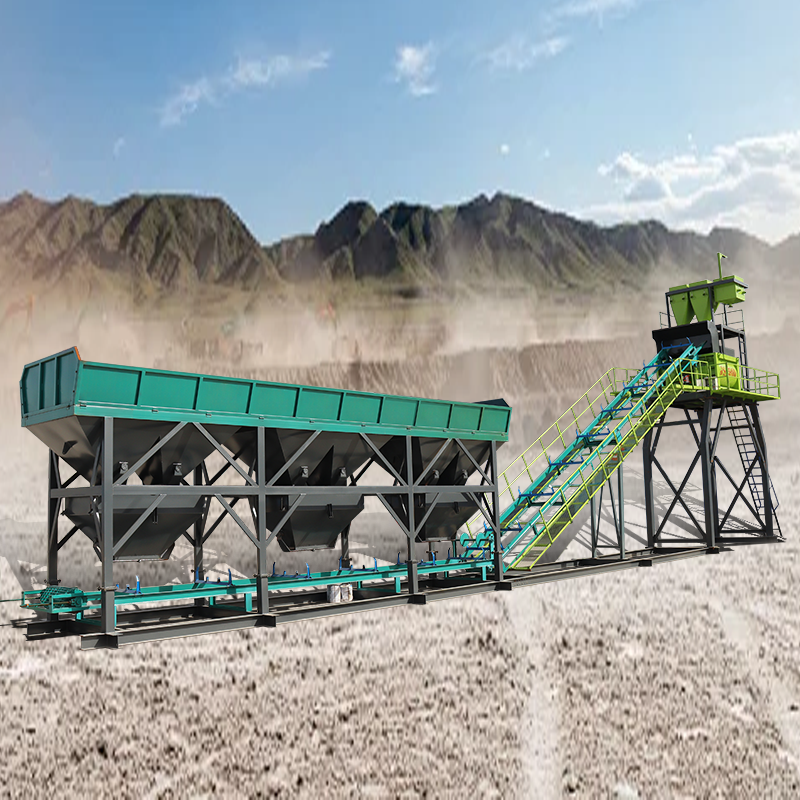
Beton qarışdırma zavodu tikinti şirkətləri, hazır beton təchizatçıları və böyük miqyaslı tikinti əməliyyatları üçün əhəmiyyətli kapital investisiyasıdır. Beton qarışdırma zavodunun düzgün baxılması bu investisiyanı qorumaq və bütün layihə vaxt planlarında sabit, etibarlı performans təmin etmək üçün vacibdir. Beton qarışdırma zavodunun baxımı ihmal edildikdə avadanlıq arızaları artır, istehsal cədvəlləri pozulur və gözlənilməz təmir xərcləri nəzarəti itirə bilər. Beton qarışdırma zavodunun baxımının əsaslarını başa düşmək operatorlar və obyekt idarəçilərinə bahalı dayanma vaxtlarını qarşısını almağa və bu kritik maşınlara dair işlətmə müddətini uzatmağa kömək edir. 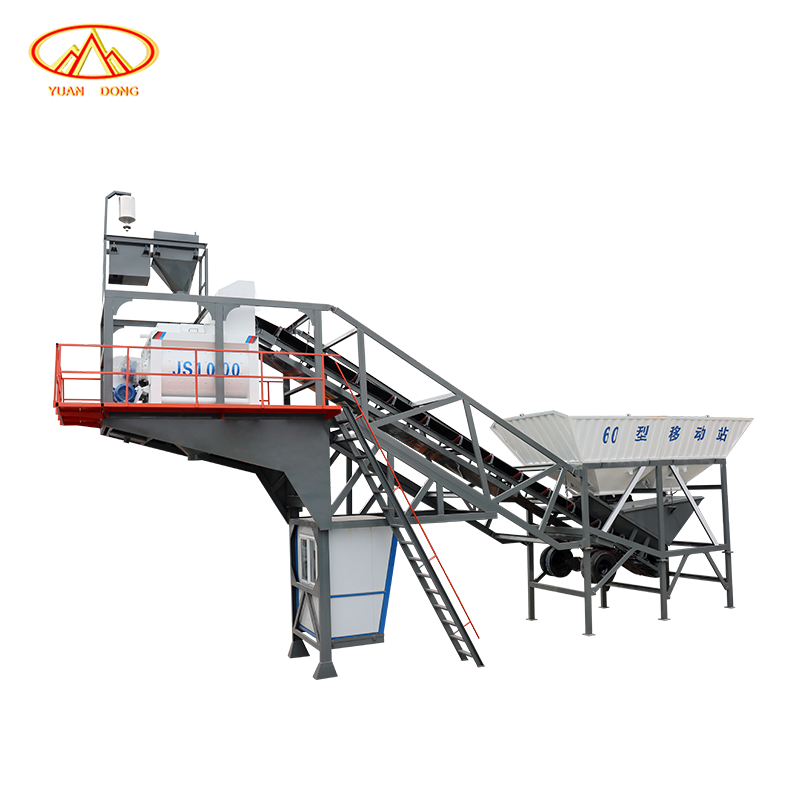
Yaxşı baxılan beton qarışdırma zavodu ilə baxımı ihmal edilmiş bir zavod arasındakı fərq çox vaxt məhsul keyfiyyətində, avadanlıq etibarlılığında və ümumi sahiblik xərclərində görünür. Beton qarışdırma zavodu baxım, qaydalarla müşahidələr, komponentlərin yağlanması, aşınma monitorinqi və sərf olunan hissələrin vaxtında dəyişdirilməsini əhatə edir. Operatorlar strukturlaşdırılmış beton qarışdırma stansiyaları üçün baxım protokollarına əməl etdikdə, qarışdırma stansiyaları daha səmərəli işləyir, daha bərabər beton partiyaları təmin edir və fövqəladə təmir halları azalır. Bu məqalə operatorlar, baxım texnikləri və gündəlik avadanlıq baxımı üçün məsuliyyət daşıyan stansiya menecerləri üçün praktik, həyata keçirilə bilən beton qarışdırma stansiyaları üçün baxım tövsiyələri təqdim edir.
Strukturlaşdırılmış Beton Qarışdırma Stansiyası Üçün Baxım Cədvəlinin Hazırlanması
Gündəlik və Həftəlik Müşahidə Rejiminin Yaradılması
Beton qarışdırıcı stansiyasının texniki xidməti, problemləri əhəmiyyətli arızalara çevrilməzdən əvvəl vaxtında aşkar etmək üçün tez-tez, sistemli yoxlamalarla başlayır. Günlük beton qarışdırıcı stansiyasının texniki xidməti, baraban və ya qarışdırma kamerasının vizual yoxlanılmasını, qeyri-adi səslər, titrəmələr və ya materialın sızması kimi daxili aşınmanı göstərən əlamətlərin izlənilməsini nəzərdə tutur. Operatorlar hər smayda beton qarışdırıcı stansiyasının texniki xidmət jurnallarının tamamlanmasını təmin etməlidirlər; bu jurnallarda hər hansı qeyri-müntəzəmliklər və ya performans dəyişiklikləri qeyd edilməlidir. Həftəlik beton qarışdırıcı stansiyasının texniki xidməti yalnız vizual yoxlamaları deyil, habelə təhlükəsizlik blokları, elektrik idarəetmə sistemi və avadanlığı ilə işçiləri qoruyan boşaltma sisteminin funksional testlərini də əhatə edir.
Beton qarışdırma stansiyasının texniki xidmət fəaliyyətlərini mərkəzləşdirilmiş jurnalda qeyd etmək, qiymətli tarixi arxiv yaradır. Bu beton qarışdırma stansiyasının texniki xidmət sənədləşdirilməsi təkrarlanan problemlərin nümunələrini açıqlayır, texniklərin qarşının alınmasını planlaşdırmasına kömək edir və istehsalçı təlimatları ilə sənaye standartlarına uyğunluğunu göstərir. Beton qarışdırma stansiyasının texniki xidmət qeydləri hər ay nəzərdən keçirildikdə, obyekt menecerləri avadanlıqda sürətləndirilmiş diqqət tələb edən və ya işlətmə müddətinin sonuna yaxınlaşan hissələri müəyyən edə bilərlər.
Aylıq və kvartallıq dərin texniki xidmət dövrlərinin planlaşdırılması
Gündəlik əməliyyatlardan kənara, beton qarışdırma stansiyasının texniki xidməti aylıq və kvartallıq müntəzəm təmir dövrlərini nəzərdə tutur ki, bu dövrlər dəyişilməyə meylli komponentləri əhatə edir. Aylıq beton qarışdırma stansiyasının texniki xidməti sürücü sistemlərin, konveyer lentlərinin, hidravlik şlangların və elektrik qoşulmalarının ətraflı yoxlanılmasını, habelə zəifləmə əlamətləri və ya qeyri-sabit bərkidici elementlərin aşkar edilməsini nəzərdə tutur. Kvartallıq beton qarışdırma stansiyasının texniki xidməti qarışdırma kamerasının dərin təmizlənməsi, varsa odadavamlı örtüklərin yoxlanılması və fırlanan elementlərdəki podşipniklərin iş performansının qiymətləndirilməsi üçün imkan yaradır. Bu strukturlaşdırılmış intervalar beton qarışdırma stansiyasının texniki xidmətinin qarşını almağa yönəldilmiş, yəni reaktiv deyil, proaktiv olmasını təmin edir və əksər ağır qəza hallarını qarşını alır.
Beton qarışdırma stansiyasının texniki xidməti üçün yağlama və komponentlərin qayğısına baxma
Doğru yağlayıcıların seçilməsi və tətbiqi
Doğru yağlama, beton qarışdırıcı qurğularının təmiri üçün ən vacib elementlərdən biridir və hərəkət edən hissələrdə sürtünməni, aşınmanı və istilik yaranmasını azaldır. Beton qarışdırıcı qurğularının təmiri üzrə təlimatlarda hər bir komponent üçün düzgün yağlayıcı növü göstərilməlidir: yataqlar üçün yüksək temperaturda işləyən yağlar, silindrlər üçün hidravlik yağlar və nəmliklə və beton tozuna məruz qalan xarici səthlər üçün korroziyaya qarşı yağlar. Beton qarışdırıcı qurğularının təmiri zamanı yanlış yağlayıcıların istifadəsi aşınmanı sürətləndirə, komponentlərin tutulmasına səbəb ola və ya viskozitet yüksək sürətli tətbiqlər üçün çox aşağı olduqda təhlükəsizlik riskləri yarada bilər. Operatorlar beton qarışdırıcı qurğularının təmiri zamanı avadanlığın istehsalçısının yağlama sxemini dəqiq izleməlidirlər.
Beton qarışdırma stansiyasının texniki xidməti üçün yağlayıcıların dəyişdirilmə müddətləri iş saatları, ətraf mühit temperaturu və istehsal intensivliyindən asılı olaraq dəyişir. Tikinti sahələrində tipik olan tozlu mühitdə beton qarışdırma stansiyasının texniki xidməti daha tez-tez yağlama tələb edə bilər, çünki havada asılı olan zərrəciklər açıq qurğularda yataq səthlərini bağalı qurğulardakıdan daha sürətlə çirkləndirir. İsti hava şəraitində beton qarışdırma stansiyasının texniki xidməti zamanı yağ və yağıntıların özlülüyü azalır; buna görə də kifayət qədər qoruyucu film qatını saxlamaq üçün daha yüksək özlülüklü formulasiyalar tətbiq olunmalıdır. Beton qarışdırma stansiyasının texniki xidməti əsnasında yağlayıcı səviyyələrini və rəngini müntəzəm olaraq yoxlamaq yataqların zədələnməsini qarşısını alır və əsas təmir işləri arasındakı müddətləri uzadır.
Fırlanan avadanlıqlarda aşınma nümunələrinin izlənməsi
Dönen komponentlər – məsələn, baraban qarışdırıcılar, çubuq milləri və motor yataqları – beton qarışdırma stansiyalarının texniki xidmət personalı tərəfindən sistemli şəkildə izlənməli olan proqnozlaşdırıla bilən aşınma nümunələri göstərir. Beton qarışdırma stansiyalarının texniki xidməti zamanı qeyri-adi sürtünmə səslərinə diqqət yetirilməli, əllə təzyiq ilə radial və ya aksial yataq oyunu yoxlanılmalı və dial göstəricilərlə milin sapması ölçülmalıdır. Beton qarışdırma stansiyalarının texniki xidməti zamanı yataq qutularının temperaturunun monitorinqi diaqnostikanın başqa bir təbəqəsini əlavə edir: gözlənilməz temperaturun artması tez-tez eşidilə bilən simptomlardan saatlar və ya günlər əvvəl yataqların qəfil sıradan çıxmasına işarə edir. Bu beton qarışdırma stansiyalarının texniki xidməti yanaşması arızaları mümkün qədər erkən mərhələdə aşkar edir və bəzən komponentin planlaşdırılmış dəyişdirilməsindən əvvəl cari istehsal dövrünü tamamlamasına imkan verir.
Hərəkət sistemi və elektrik komponentləri üçün profilaktik beton qarışdırma stansiyası texniki xidməti
Motorun performansının və güc ötürülməsinin saxlanması
Beton qarışdırma stansiyasının texniki xidmətində əsas əhəmiyyət daşıyan avadanlıqları idarə edən mühərrik və ötürücü sistemlər stansiyanın işləmə xərclərinin əhəmiyyətli hissəsini təşkil edir. Beton qarışdırma stansiyasının texniki xidməti dörd ayda bir mühərrikin izolyasiya müqavimətinin meqohmmetr ilə yoxlanılmasını, nəm infiltrasiyasının və ya mühərrikin sıradan çıxmasından əvvəl baş verə biləcək hissəvi sarımın pozulmasının aşkar edilməsini nəzərdə tutmalıdır. Beton qarışdırma stansiyasının texniki xidmət sahəsinə daxil olan remni və zəncir ötürücüləri istehsalatın dayandırılmasına səbəb ola biləcək sürüşmə, gürültü və nəhayət qırılma hadisələrini qarşısını almaq üçün aşınma, gərginlik və uyğunluq baxımından yoxlanılmalıdır. Beton qarışdırma stansiyasının texniki xidmət işləri zamanı ötürücü komponentlərin çərçivəyə birləşdirilməsində istifadə olunan bütün bərkidici elementlər yoxlanılmalı və lazım olduqda sıxılmalıdır, çünki vibrasiya nəticəsində boltlar postepen olaraq sövüşür və uyğunluq sapması yaranır.
Termal görüntüleme kameraları, müasir beton qarışdırıcı zavodlarının texniki xidmət proqramlarında qiymətli alətlərə çevrilmişdir; bu kameralar gözlə görünməyən problemləri göstərən elektrik qoşulmalarında, yataqlarda və ya motor sarımlarında istilik nöqtələrini aşkar edir. Termal görüntüleme ilə işləyən beton qarışdırıcı zavodunun texniki xidmət mütəxəssisi, ənadi konvensiyonal yoxlamalardan saatlar əvvəl qoşulma oksidləşməsini, kifayət qədər yağlanmama və ya sarım balanssızlığını aşkar edə bilər. Beton qarışdırıcı zavodunun texniki xidməti zamanı toplanan infraqırmızı məlumatlar həftələr və aylar ərzində analiz edilərək komponentin stabil olub-olmadığı yoxsa tədricən pisləşdiyi müəyyən edilə bilər.
Elektrik sistemlərinin və idarəetmə dövrələrinin qorunması
Beton qarışdırma stansiyasının texniki xidməti, aktiv tikinti sahələrində toz, nəm və titrəməyə məruz qalan elektrik sistemlərinin yaratdığı xüsusi çətinliklərlə məşğul olmalıdır. İdarəetmə şkaflarının texniki xidməti hər üç ayda bir sıxılmış hava ilə tozun təmizlənməsini, kabel qoşulmalarının korroziyaya qarşı yoxlanılmasını və təhlükəsizlik bloklarının düzgün işlədiyini təsdiqləmək üçün sınağını əhatə etməlidir. Beton qarışdırma stansiyasının texniki xidməti mövsümlərində nəmlik və temperatur dalğalanmaları sensorların kalibrasiyasını təsir edə bilər; buna görə də yük hüceyrələrinin, səviyyə göstəricilərinin və temperatur sensorlarının dövri kalibrasiyası ölçmə dəqiqliyini saxlayır. Beton qarışdırma stansiyasının texniki xidməti modernizasiya zamanı qoruyucu keçid contalarının və boru örtüklərinin quraşdırılması stansiyanın mühit çirklənməsinə qarşı davamlılığını artırır.
Tez-tez verilən suallar
Beton qarışdırma stansiyasının texniki xidməti neçə dəfə aparılmalıdır?
Beton qarışdırıcı zavodunun texniki xidmətinin tezliyi avadanlığın yaşı, istehsal həcmi və iş mühiti ilə müəyyən olunur. Əksər istehsalçılar gündəlik vizual yoxlamaları, həftəlik funksional yoxlamaları, aylıq ətraflı texniki xidməti və kvartallıq dərin xidmət təklif edirlər. Yüksək intensivlikli əməliyyatlar daha tez-tez beton qarışdırıcı zavodunun texniki xidmət dövrlərini tələb edə bilər, o bir tərəfdən yüngül mövsümi zavodlar uzadılmış intervalarda işləyə bilər. Avadanlığınızın istismar təlimatını nəzərdən keçirmək və yerli mühit şəraitinə əsasən beton qarışdırıcı zavodunun texniki xidmət cədvəlini düzəltmək optimal etibarlılığı təmin edir.
Beton qarışdırıcı zavodunun texniki xidmətində ən çox rast gəlinən arızalar hansılardır?
Beton qarışdırıcı zavodlarının texniki xidmətində ən çox problem yaradan sahələr motor yataqları, baraban möhürləri, hidravlik şlanqları və elektrik qoşulmalarıdır. Beton qarışdırıcı zavodlarının texniki xidmət müddətlərinin istehsalçının tövsiyə etdiyi müddətdən artıq uzadılması yataqların aşınmasını sürətləndirir və gözlənilməz dayanma və işdən çıxma hallarına səbəb olur. Baraban möhürləri beton tozunun daxil olması və aşındırıcı qarışımın təsiri nəticəsində keyfiyyətini itirir; bu da materialın sızmasının və daxili korroziyanın qarşısını almaq üçün beton qarışdırıcı zavodlarının texniki xidmətinə diqqət yetirilməsini tələb edir. Hidravlik sistemlər beton qarışdırıcı zavodlarının texniki xidmətində şlanqların yoxlanılması nəzərdə tutulmadıqda zərər görür; kiçik sızıntılar tam sistem arızasına qədər inkişaf edə bilər.
Beton qarışdırıcı zavodlarının texniki xidməti üçüncü tərəf xidmət təminatçılarına outsours edilə bilərmi?
Bəli, beton qarışdırma stansiyasının texniki xidməti, qarışdırma stansiyalarının təmiri ilə məşğul olan ixtisaslaşmış avadanlıq xidmət provayderlərinə effektiv şəkildə outsors edilə bilər. Bir çox beton qarışdırma stansiyası texniki xidmət təşkilatları, planlaşdırılmış yoxlamaları, yağlamağı, ehtiyat hissələrinin dəyişdirilməsini və fövqəladə təmir cavabını birləşdirən qarşılıqlı texniki xidmət müqavilələri təklif edir. Outsors edilmiş beton qarışdırma stansiyası texniki xidməti daxili personalın istehsalata diqqət yetirməsinə imkan verir, halbuki ixtisaslaşmış mütəxəssislər avadanlığın sabit və peşəkar şəkildə xidmət edilməsini təmin edir. Bununla belə, etibarlı xidmət keyfiyyətini əldə etmək üçün həqiqi ixtisas və yerli mövcudluğa malik beton qarışdırma stansiyası texniki xidmət tərəfdaşının seçilməsi çox vacibdir.
Mündəricat
- Strukturlaşdırılmış Beton Qarışdırma Stansiyası Üçün Baxım Cədvəlinin Hazırlanması
- Beton qarışdırma stansiyasının texniki xidməti üçün yağlama və komponentlərin qayğısına baxma
- Hərəkət sistemi və elektrik komponentləri üçün profilaktik beton qarışdırma stansiyası texniki xidməti
- Tez-tez verilən suallar